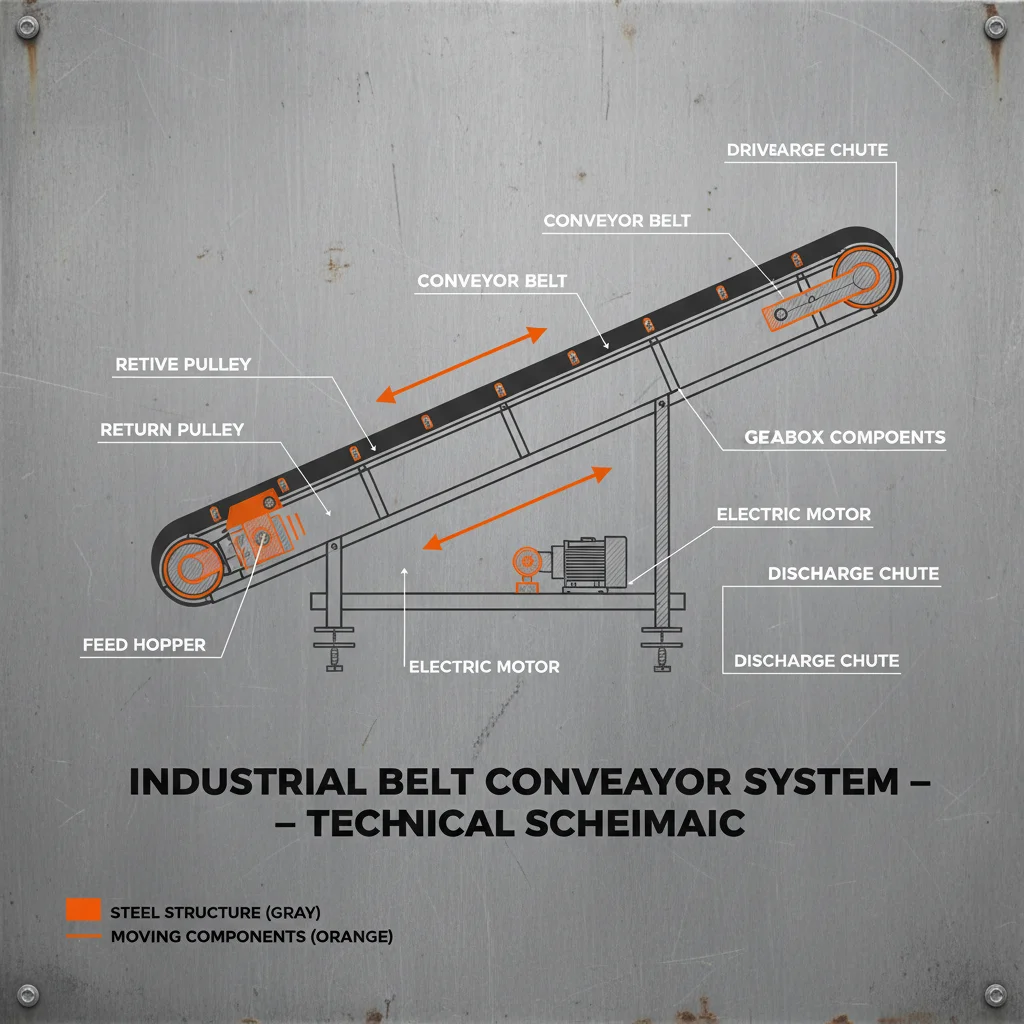
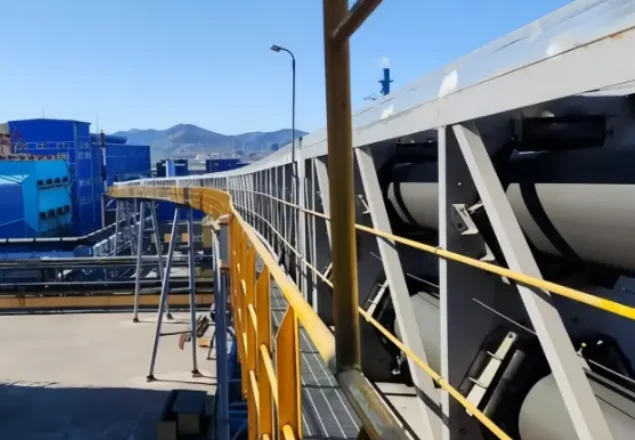
Understanding Steel Conveyor Rollers: A Comprehensive Guide
Steel conveyor rollers are essential components in material handling systems across a vast range of industries. From manufacturing and logistics to mining and agriculture, these rollers facilitate the smooth and efficient movement of goods. Choosing the right steel conveyor rollers is crucial for optimizing performance, minimizing downtime, and ensuring a safe working environment. This article provides an in-depth look at steel conveyor rollers, covering their types, applications, benefits, and key considerations when making a purchase. JT Conveyor specializes in providing high-quality steel conveyor rollers tailored to your specific needs.
Types of Steel Conveyor Rollers
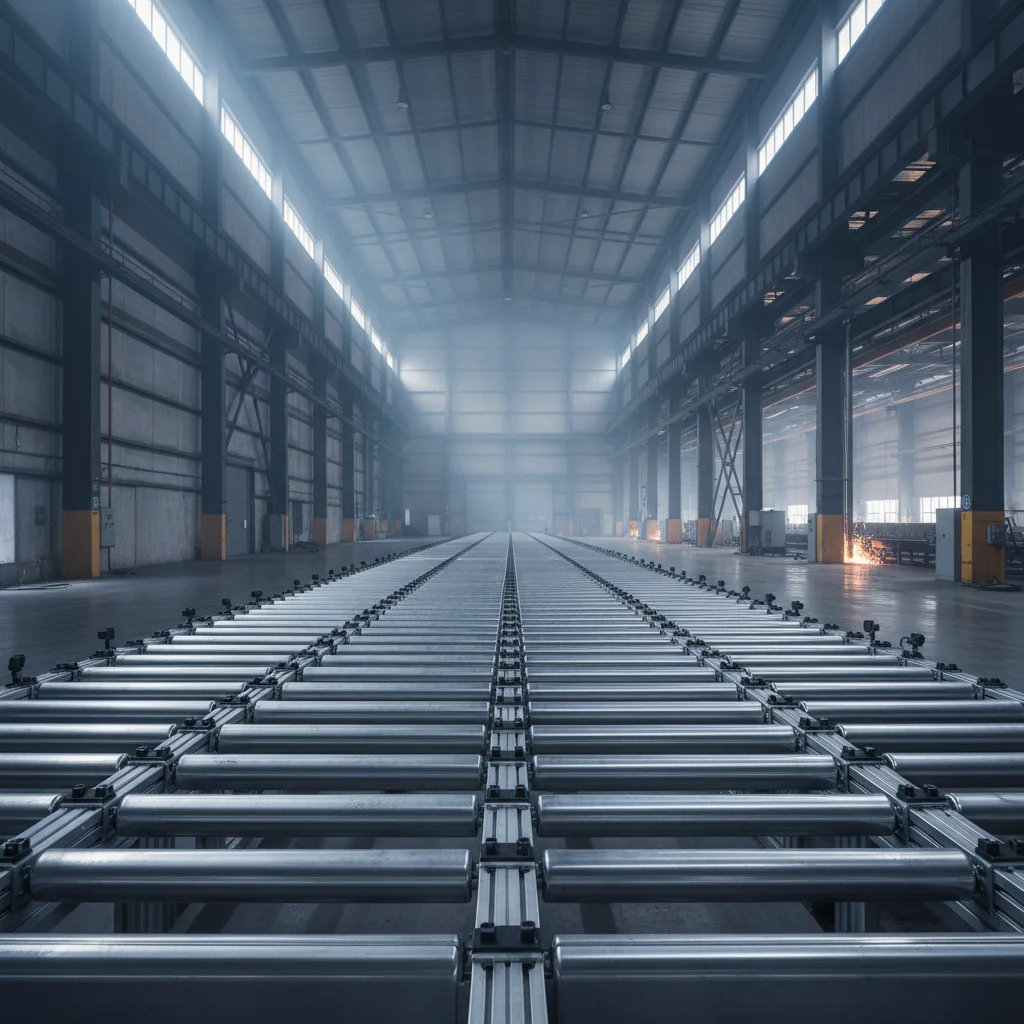
Steel conveyor rollers come in various types, each designed for specific applications. Some of the most common types include:
- Powered Rollers: Driven by motors, these rollers actively move the conveyed materials.
- Idler Rollers: These rollers are free-spinning and support the conveyor belt, reducing friction and allowing for smooth movement.
- Tapered Rollers: Used in curved conveyors to guide the belt around bends.
- Coated Rollers: Feature a coating (rubber, polyurethane, etc.) to increase grip and protect sensitive materials.
- Stainless Steel Rollers: Ideal for corrosive environments or applications requiring high hygiene standards.
The selection of the appropriate roller type is dependent on the materials being conveyed, the conveyor system’s layout, and the operating environment.
Key Takeaway: Understanding the different types of steel conveyor rollers is vital for selecting the right components for optimal performance and longevity.
Applications of Steel Conveyor Rollers
The versatility of steel conveyor rollers makes them suitable for a diverse range of industries and applications. Here are some prominent examples:
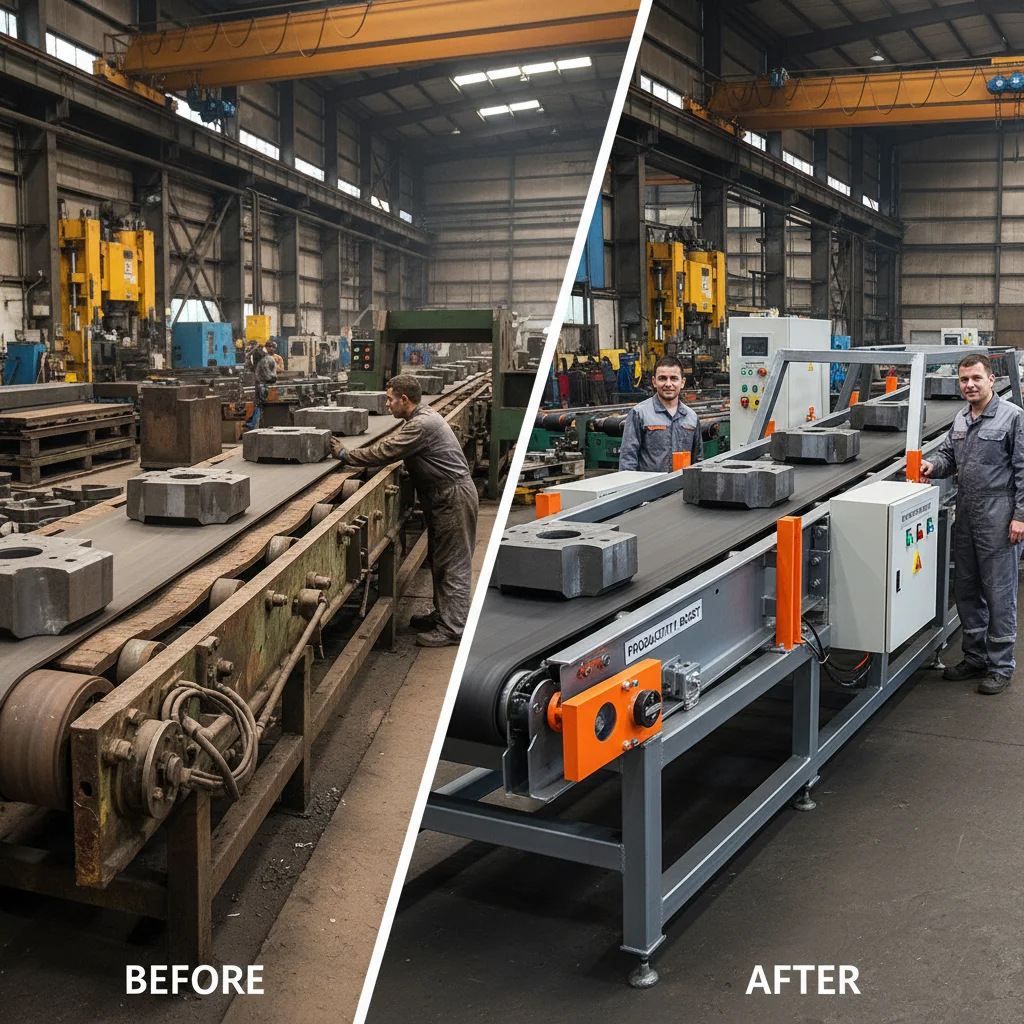
- Manufacturing: Assembly lines, packaging systems, and material handling within factories.
- Logistics & Warehousing: Sortation systems, distribution centers, and shipping facilities.
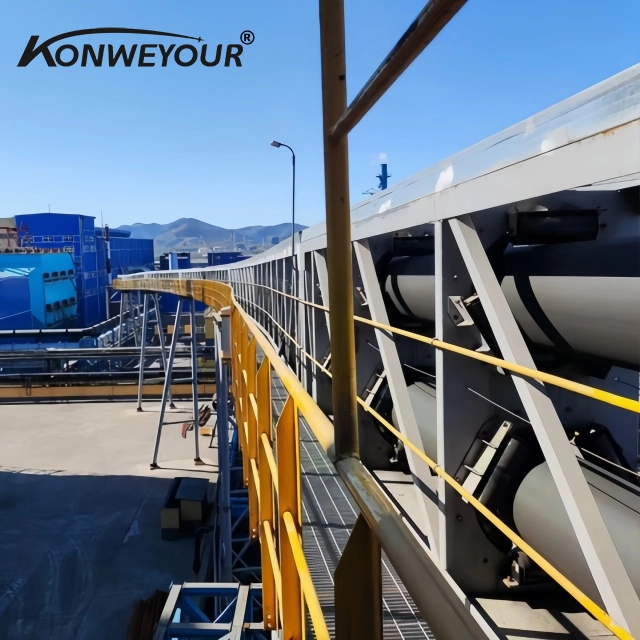
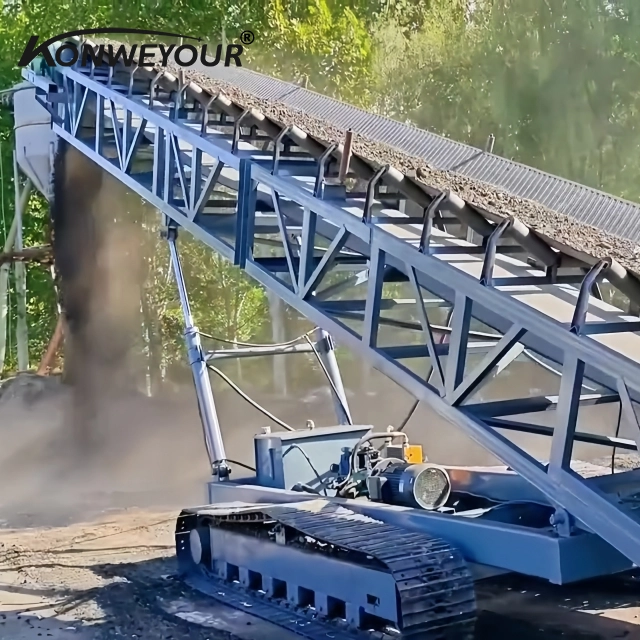
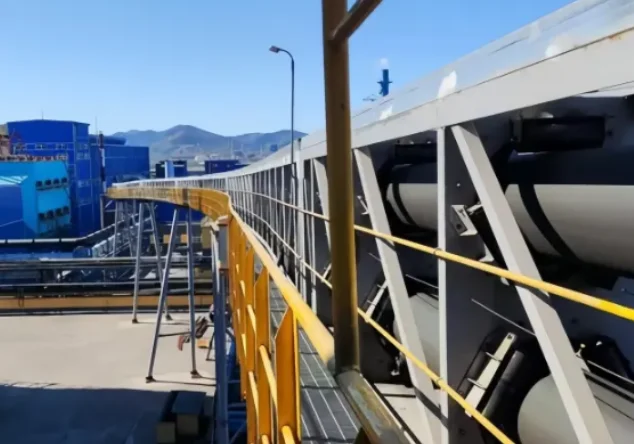
- Mining & Aggregates: Moving bulk materials like coal, ore, and gravel.
- Agriculture: Grain handling, fertilizer distribution, and processing of agricultural products.
- Airport Baggage Handling: Efficiently transporting luggage through airport terminals.
Each industry demands specific roller characteristics, such as load capacity, durability, and resistance to environmental factors.
Industry Specific Needs:
• Mining requires rollers with high load capacity and wear resistance.
• Food processing demands sanitary stainless steel rollers.
• Logistics prioritizes speed and accuracy, necessitating precise roller alignment.
Steel Conveyor Rollers: Benefits & Why Choose Them?
Investing in high-quality steel conveyor rollers offers numerous advantages:
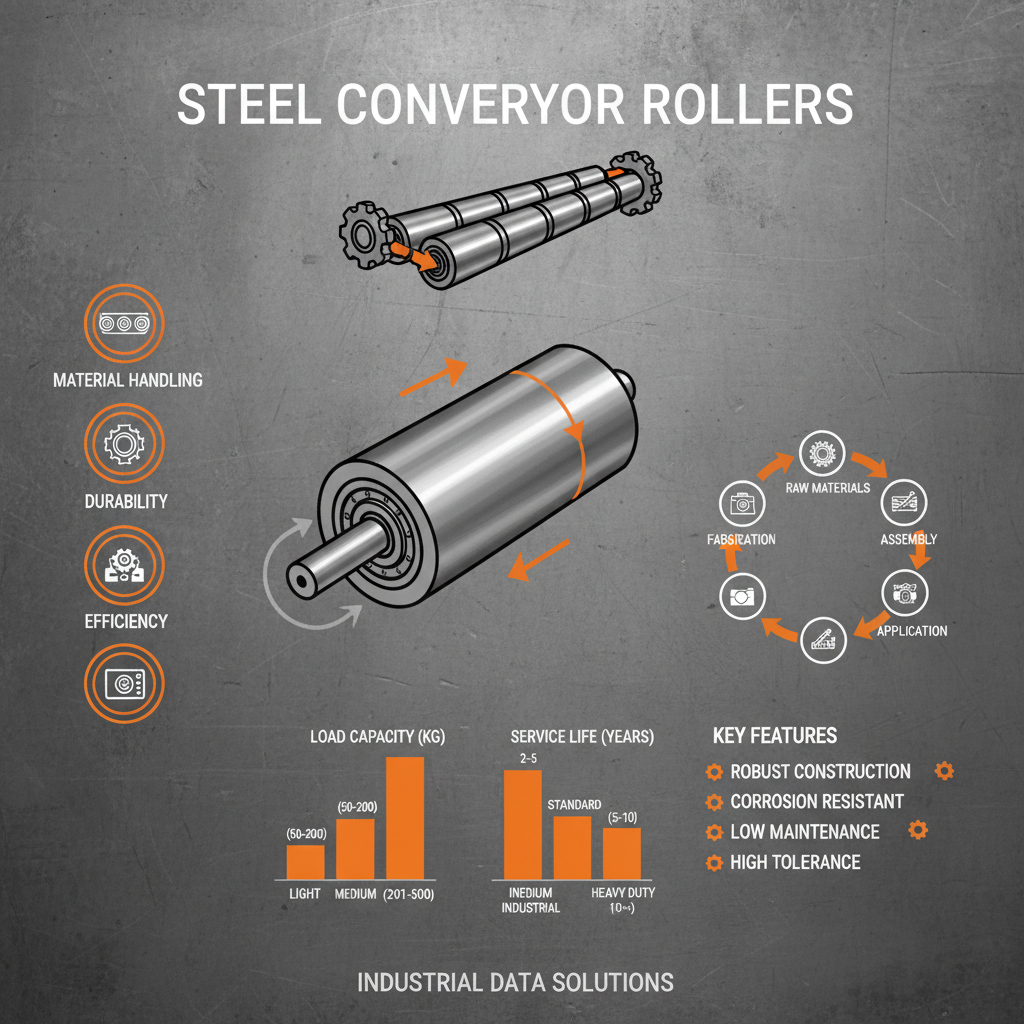
- Durability: Steel is a robust material capable of withstanding heavy loads and harsh operating conditions.
- Longevity: Reduced wear and tear translates to a longer lifespan, minimizing replacement costs.
- Low Maintenance: Generally require minimal maintenance, saving time and resources.
- Increased Efficiency: Smooth roller operation reduces friction and improves conveyor system efficiency.
- Safety: Reliable performance contributes to a safer working environment.
Choosing steel over other materials like plastic ensures a more reliable and cost-effective solution in the long run.
Key Specifications to Consider When Purchasing Steel Conveyor Rollers
When selecting steel conveyor rollers, several key specifications should be carefully considered:
| Specification |
Description |
Typical Range |
| Diameter |
The outer diameter of the roller. |
1.5" - 8" |
| Shaft Diameter |
The diameter of the central shaft. |
0.5" - 2" |
| Load Capacity |
The maximum weight the roller can support. |
50 lbs - 5000 lbs+ |
| Material |
Typically carbon steel, stainless steel or galvanized steel. |
Carbon Steel, SS304, SS316 |
Choosing the Right Supplier
Selecting a reputable supplier is paramount. Look for a supplier with a proven track record, a wide range of product options, and excellent customer support. JT Conveyor offers customized solutions, competitive pricing, and expert advice to help you find the perfect steel conveyor rollers for your application.
Conclusion: Optimize Your Material Handling with Quality Steel Conveyor Rollers
Investing in high-quality steel conveyor rollers is a strategic decision that can significantly improve your material handling operations. By carefully considering the type, specifications, and supplier, you can ensure optimal performance, longevity, and a safe working environment.
Frequently Asked Questions (FAQs)
What is the typical lifespan of steel conveyor rollers?
The lifespan of steel conveyor rollers varies depending on the application, load, and maintenance. Generally, well-maintained steel rollers can last for 5-10 years or longer. However, factors like corrosive environments, excessive loads, and lack of lubrication can shorten their lifespan. Regular inspection and preventive maintenance, such as lubrication and cleaning, are crucial for maximizing longevity. If you notice excessive noise, vibration, or difficulty in rotation, it may be time for replacement. JT Conveyor offers robust rollers designed for extended service life and can advise on optimal maintenance practices.
How do I determine the correct load capacity for my rollers?
Determining the correct load capacity is essential to prevent premature failure. First, calculate the maximum weight the rollers will need to support, including the weight of the materials being conveyed and the conveyor belt itself. Add a safety factor of at least 20-25% to account for dynamic loads and potential overloads. Consider the distribution of the load – is it evenly distributed or concentrated in certain areas? Choosing rollers with a load capacity that exceeds your requirements will ensure reliable performance and a longer lifespan. JT Conveyor's team can assist you in calculating the appropriate load capacity for your specific application.
What are the benefits of using stainless steel rollers?
Stainless steel rollers offer superior corrosion resistance, making them ideal for applications in harsh environments, such as food processing, pharmaceutical, and chemical industries. They are also easier to clean and sanitize, maintaining hygiene standards. While stainless steel rollers may be more expensive than carbon steel options, their extended lifespan and reduced maintenance costs often make them a cost-effective choice in the long run. JT Conveyor provides a range of stainless steel rollers in various grades to suit your specific needs.