Mobile Belt Conveyor

Mobile Belt Conveyor

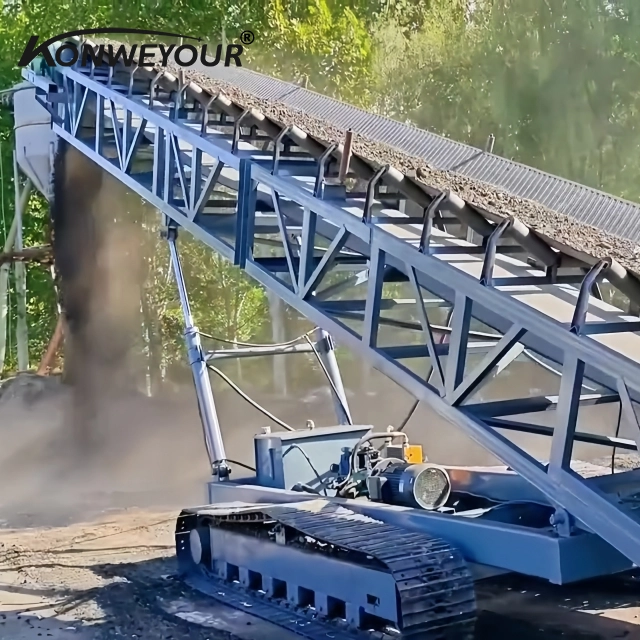
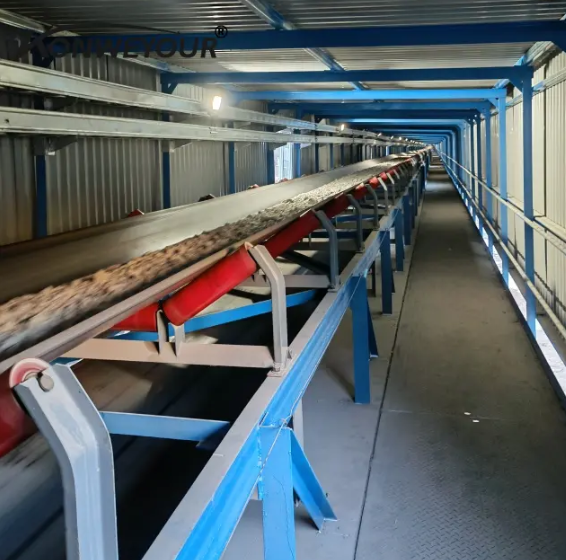
A Mobile Belt Conveyor is a flexible and portable material handling solution designed for efficient loading, unloading, and transport of bulk or packaged materials. Equipped with wheels or tracks, it can be easily moved and positioned as needed, making it ideal for temporary or changing work sites such as warehouses, construction sites, ports, agriculture fields, and mining operations.

The conveyor features a continuous rubber or PVC belt driven by a motorized pulley system. It can be adjusted in length and height to suit different applications and loading requirements. Some models offer telescopic sections, hydraulic lifting systems, and foldable frames for added convenience and space-saving storage.

Mobile belt conveyors are commonly used to handle grain, coal, sand, cement, boxes, and other loose or packaged goods. Their mobility reduces manual handling, improves operational efficiency, and allows for fast setup without the need for permanent installation.

Built with a sturdy steel frame and durable belt materials, mobile conveyors are designed for long service life and minimal maintenance. They offer a cost-effective solution for on-site material handling where flexibility, speed, and reliability are essential.

Whether for indoor or outdoor use, a mobile belt conveyor provides a practical and efficient transport system wherever materials need to be moved quickly and safely.


What Is A Mobile Conveyor Belt?

A mobile conveyor belt is a versatile material-handling system designed to transport bulk goods or packaged products efficiently from one location to another. Unlike fixed conveyors, it is mounted on wheels or crawler tracks, allowing quick relocation within warehouses, construction sites, ports, or agricultural fields. This mobility reduces the need for manual handling and shortens loading and unloading times, improving overall operational efficiency.

Constructed with a durable steel frame and high-strength rubber or PVC belt, a mobile conveyor belt can handle a wide range of materials such as sand, gravel, coal, grain, and packaged goods. Adjustable height and length options enable it to connect seamlessly with other machinery like crushers, screeners, or storage hoppers. Many models feature variable speed controls, ensuring smooth material flow and precise loading, while heavy-duty rollers and bearings minimize friction and extend service life.

Safety and convenience are key design elements. Guardrails, emergency stop switches, and anti-skid surfaces protect operators, while foldable or telescopic sections make transport and storage simple. Powered by electric motors or diesel engines, some units also include energy-saving features and dust-suppression systems, meeting environmental standards and lowering operating costs.

Mobile conveyor belts are ideal for industries such as mining, logistics, agriculture, and recycling. They streamline the transfer of raw materials, support continuous production, and reduce labor expenses. Whether used indoors for warehouse packaging lines or outdoors for large-scale construction projects, a mobile conveyor belt provides flexible, reliable, and cost-effective material movement. Its combination of portability, durability, and customizable configurations makes it a smart investment for businesses seeking efficient bulk handling solutions.


What Are The Types Of Mobile Conveyor System?

What Are The Types Of Mobile Conveyor System?

A mobile conveyor system is a flexible material-handling solution designed to move bulk goods or packaged products quickly and efficiently across different work areas. Unlike fixed conveyors, mobile systems are equipped with wheels, tracks, or modular bases, allowing them to be easily relocated for temporary or changing production needs. Depending on the application, mobile conveyor systems are available in several types, each offering distinct advantages.

1. Portable Belt Conveyors
These lightweight units feature a rubber or PVC belt stretched over rollers. Ideal for warehouses, agriculture, or light construction, they transport grains, boxes, and small aggregates. Their adjustable height and length make them easy to set up and move.

2. Telescopic Conveyors
Designed for loading and unloading trucks or containers, telescopic conveyors extend and retract to reach different distances. They reduce manual labor and speed up operations in logistics centers and shipping docks.

3. Radial Stacking Conveyors
Common in mining and aggregate industries, these conveyors rotate on a pivot to create large stockpiles of materials such as sand, coal, or gravel. Their radial movement maximizes storage capacity without repositioning equipment.

4. Track-Mounted or Crawler Conveyors
Built for heavy-duty use in rugged environments, these conveyors can travel across uneven terrain. They are often paired with crushers or screening plants at construction or mining sites.

5. Modular or Folding Conveyors
These systems can be easily disassembled or folded for compact storage and rapid deployment. They are popular for temporary projects or event setups.

Mobile conveyor systems improve productivity by reducing manual handling, saving labor costs, and ensuring continuous material flow. With options ranging from portable belts to heavy-duty tracked units, businesses can select the type that best fits their industry, whether it’s logistics, agriculture, mining, or construction.


What Are The Types Of Mobile Conveyor System?

SUBSCRIBE NEWSLETTER

Efficient Conveying Equipment, Get Customized Solutions Immediately

If you are interested in our products, you can choose to leave your information here, and we will be in touch with you shortly.

  • captcha