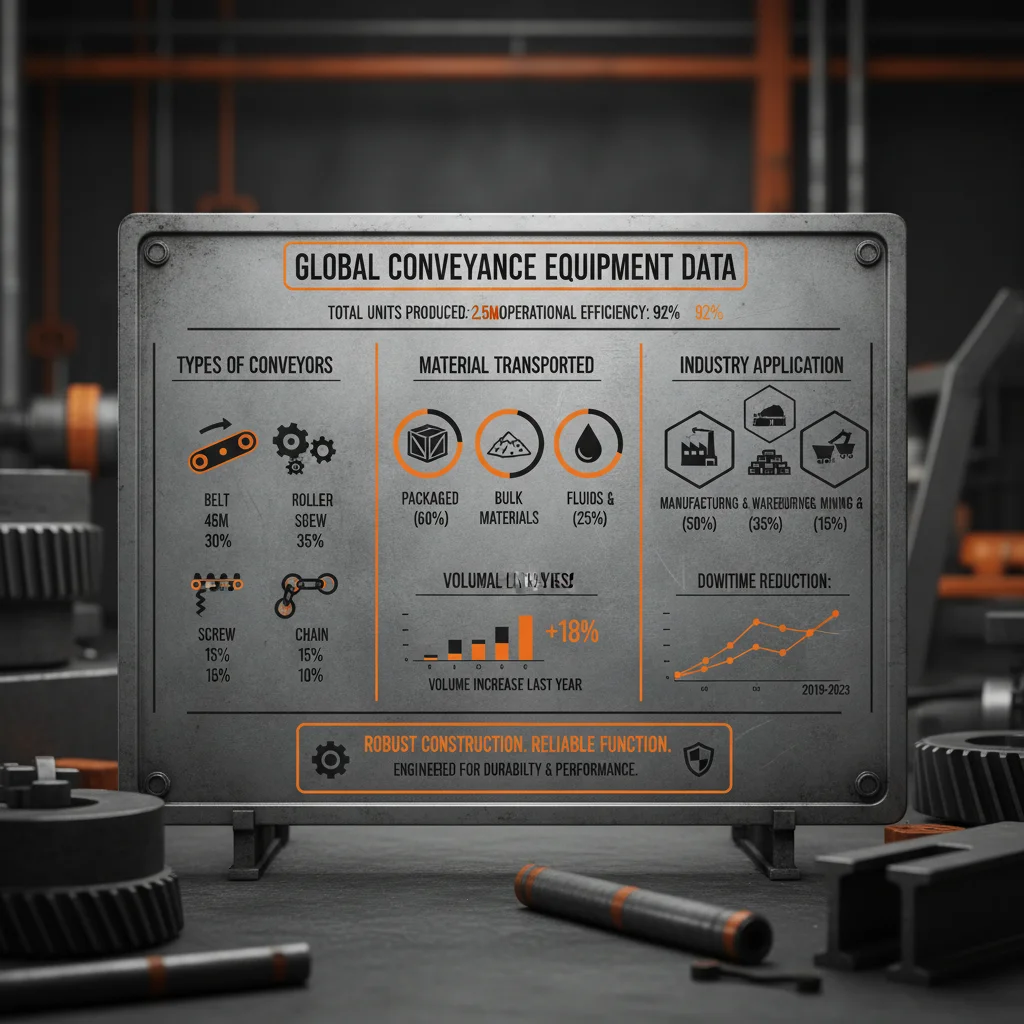
Factory conveyor systems are the backbone of modern manufacturing and logistics, silently driving efficiency and productivity across countless industries. From the assembly lines of automotive giants to the bustling distribution centers of e-commerce, these systems are integral to getting products from raw materials to consumers. Understanding the principles, components, and advancements in factory conveyor systems is crucial for anyone involved in supply chain management, manufacturing engineering, or industrial automation.
Globally, the demand for efficient material handling solutions is soaring, fueled by increasing production volumes, stricter quality control standards, and the relentless pursuit of cost reduction. The United Nations Industrial Development Organization (UNIDO) emphasizes the role of industrial automation, including conveyor systems, in achieving sustainable industrial development. The World Bank reports a direct correlation between investments in logistics infrastructure and economic growth, highlighting the vital role these systems play.
The challenge lies in optimizing these systems for ever-changing demands – accommodating diverse product sizes, integrating with smart factory technologies, and ensuring worker safety. Embracing innovative solutions within factory conveyor systems is no longer a competitive advantage, but a necessity for survival in today’s dynamic market.
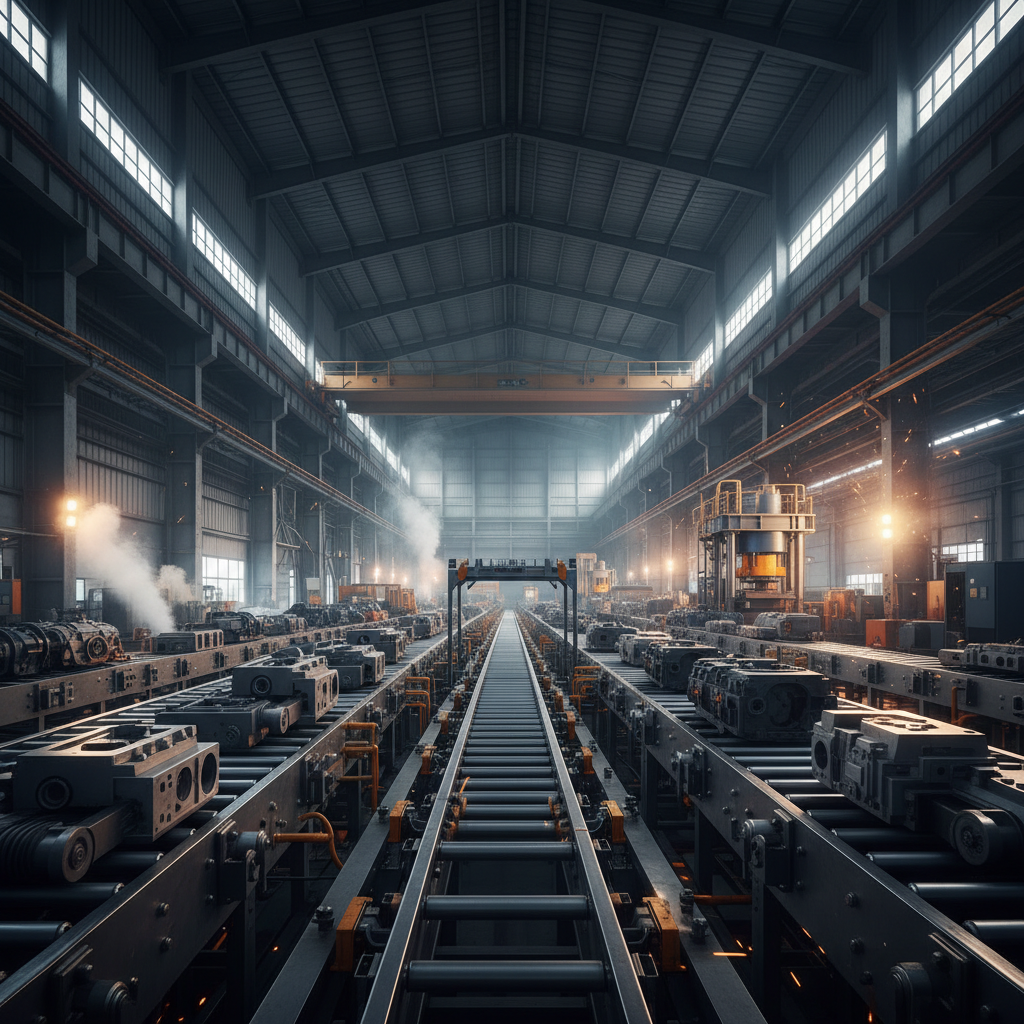
Introduction to factory conveyor systems
Factory conveyor systems are mechanized handling systems designed to transport materials, products, or work-in-progress items along a predefined path. They range from simple belt conveyors to complex automated systems incorporating robotics, sensors, and software control. These systems are foundational to efficient manufacturing processes and streamlined logistics operations, reducing manual labor and boosting throughput.
The design and implementation of factory conveyor systems are heavily influenced by the specific needs of the application. Factors considered include the type of material being handled, the distance of travel, the desired speed, and the overall layout of the facility. Selecting the right conveyor type is crucial for maximizing efficiency and minimizing potential bottlenecks.
Defining Factory Conveyor Systems
At its core, a factory conveyor system is a mechanical system that moves materials from one location to another. These systems are crucial to modern manufacturing, streamlining the flow of goods and reducing reliance on manual handling. They aren't simply about moving things; they’re about integrating movement into the production process, optimizing workflows, and enhancing overall efficiency.
The connection to modern industry is undeniable. As businesses strive for lean manufacturing principles and just-in-time inventory management, conveyor systems become essential for supporting these strategies. They enable a continuous flow of materials, minimizing waste, reducing lead times, and improving responsiveness to customer demand.
Beyond manufacturing, conveyor systems play a critical role in logistics, warehousing, and distribution. They facilitate the automated sorting, routing, and tracking of packages, contributing to the rapid delivery of goods to consumers worldwide. This is particularly important in the growth of e-commerce, where speed and accuracy are paramount.
Key Components of Effective Systems
Durability is paramount in factory conveyor systems, as they often operate continuously in demanding environments. High-quality materials, robust construction, and regular maintenance are essential to ensure long-term reliability and minimize downtime. Systems designed for harsh conditions require specialized components resistant to corrosion, abrasion, and temperature extremes.
Scalability is another critical factor. Businesses need systems that can adapt to changing production volumes and evolving requirements. Modular conveyor designs allow for easy expansion or reconfiguration, minimizing disruption and ensuring the system can grow alongside the business. The ability to add or remove sections, adjust speed, or integrate new technologies is key to long-term flexibility.
Cost efficiency goes beyond the initial purchase price. It encompasses factors such as energy consumption, maintenance costs, and labor savings. Investing in energy-efficient motors, optimizing conveyor layouts, and implementing predictive maintenance programs can significantly reduce the total cost of ownership. Automated systems can also reduce labor costs and improve accuracy, leading to substantial savings over time.
Global Applications and Industry Use
Factory conveyor systems are pervasive across a wide spectrum of industries. In the automotive industry, they are integral to the assembly of vehicles, moving parts along the production line with precision and speed. The food and beverage industry relies on sanitary conveyor systems to process and package products efficiently.
The e-commerce and logistics sectors are major drivers of conveyor system innovation, with automated sorting systems handling millions of packages daily. These systems are particularly prevalent in regions with high population density and a thriving online retail market, such as North America, Europe, and Asia.
In remote industrial zones, where access to skilled labor may be limited, automated conveyor systems can significantly improve productivity and reduce reliance on manual labor. Even in post-disaster relief operations, portable conveyor systems can be deployed to quickly and efficiently move supplies to affected areas.
Comparative Analysis of factory conveyor systems Methods
Advantages and Long-Term Value
The tangible benefits of investing in factory conveyor systems are substantial. Reduced labor costs, increased throughput, and improved accuracy contribute directly to enhanced profitability. Moreover, automated systems minimize the risk of human error and ensure consistent product quality.
From a sustainability perspective, optimized conveyor systems can reduce energy consumption and waste, contributing to a smaller environmental footprint. The long-term value extends beyond cost savings to encompass improved worker safety, a more efficient supply chain, and a stronger competitive position. A system designed with safety in mind enhances the work environment.
Future Trends and Innovations
The future of factory conveyor systems is intertwined with the broader trends of digital transformation and Industry 4.0. The integration of Internet of Things (IoT) sensors, artificial intelligence (AI), and machine learning (ML) will enable predictive maintenance, real-time monitoring, and autonomous optimization of conveyor operations.
Expect to see increased adoption of modular and adaptable conveyor systems that can be easily reconfigured to accommodate changing production needs. Sustainable materials and energy-efficient designs will also become increasingly important, driven by growing environmental concerns. The shift towards greener energy sources will further reduce the carbon footprint of these systems.
Challenges and Solutions in Implementation
One common challenge is integrating new conveyor systems with existing infrastructure. Careful planning, thorough site assessments, and seamless integration with existing control systems are crucial to avoid disruptions and ensure compatibility. Proper training of personnel is also essential.
Another challenge lies in handling diverse product types and sizes. Flexible conveyor systems that can adapt to different shapes and weights are necessary. Advanced sorting and routing algorithms can optimize material flow and prevent bottlenecks. Regular maintenance schedules, utilizing predictive analytics, can further mitigate downtime.
Addressing safety concerns is paramount. Implementing safety sensors, emergency stop mechanisms, and proper guarding can protect workers and prevent accidents. Regular safety audits and comprehensive training programs are essential to ensure a safe working environment.
Key Considerations for Successful factory conveyor systems Implementation
| System Complexity |
Integration Costs |
Maintenance Requirements |
Scalability Potential |
| Low (Simple belt conveyor) |
$5,000 - $10,000 |
Minimal |
Limited |
| Medium (Powered roller conveyor) |
$15,000 - $30,000 |
Moderate |
Moderate |
| High (Automated sorting system) |
$50,000 - $150,000+ |
Extensive |
High |
| Medium (Modular plastic belt) |
$20,000 - $40,000 |
Moderate |
Good |
| Low (Gravity conveyor) |
$2,000 - $5,000 |
Very Minimal |
Very Limited |
| High (Smart Conveyor System with AI) |
$100,000+ |
High - Requires specialized expertise |
Excellent - Adaptive and scalable |
FAQS
The initial costs vary significantly depending on the system's complexity, size, and level of automation. Typically, costs include the conveyor equipment itself, installation labor, electrical work, software integration (if applicable), and employee training. A basic gravity conveyor might cost a few thousand dollars, while a fully automated, smart conveyor system could exceed $100,000. A detailed assessment of your specific needs and facility layout is crucial for accurate budgeting.
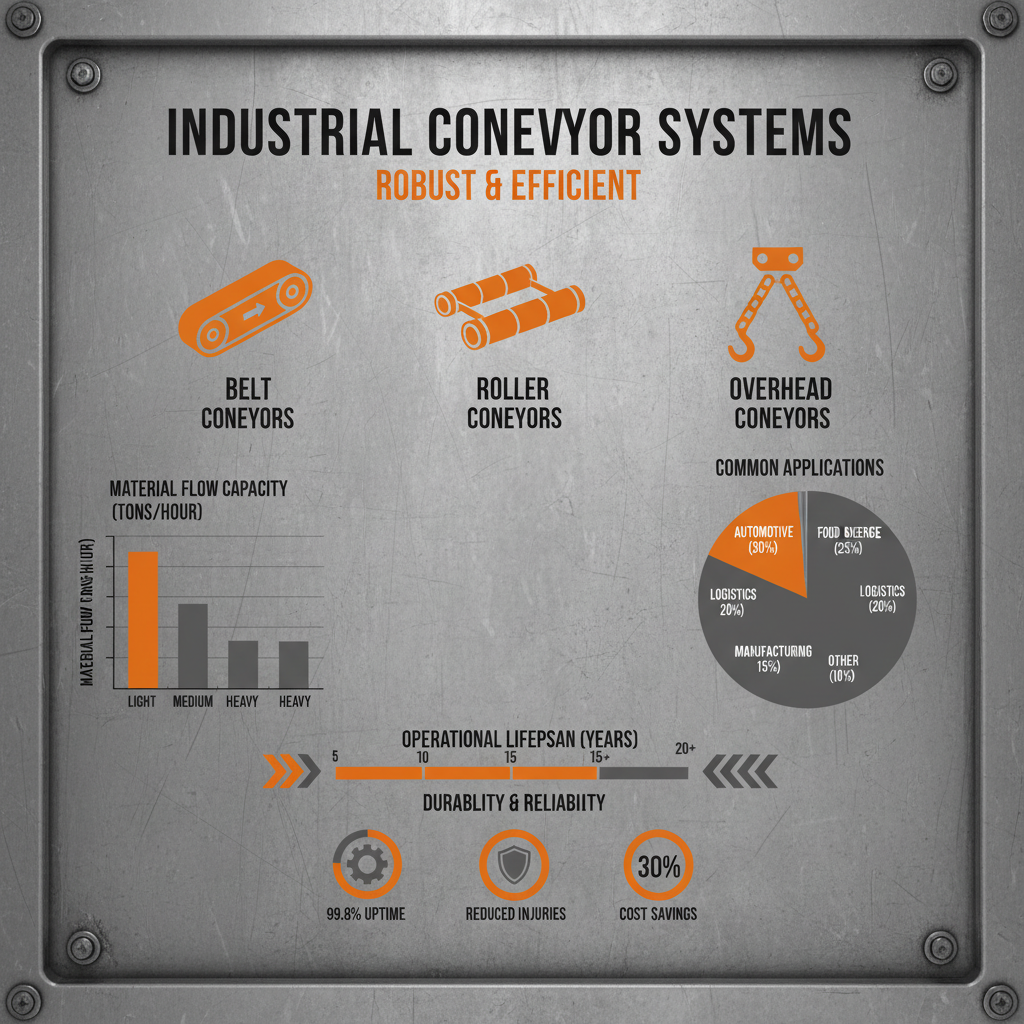
Choosing the right conveyor system requires careful consideration of several factors, including the type of material being handled (size, weight, shape), the distance of travel, the desired throughput, and the facility's layout. Belt conveyors are versatile for a wide range of materials, while roller conveyors are ideal for moving boxes and pallets. Chain conveyors are suitable for heavy loads, and vertical conveyors are used for elevating or lowering materials.
Regular maintenance is essential for ensuring the long-term reliability and efficiency of your conveyor system. This includes inspecting belts for wear and tear, lubricating bearings, checking chain tension, and cleaning sensors. Implementing a preventative maintenance schedule can help identify and address potential issues before they lead to costly downtime. For more complex systems, consider investing in predictive maintenance technologies.
Safety should be a top priority. Install safety guards around moving parts, emergency stop buttons within easy reach, and sensors to detect obstructions. Provide comprehensive training to employees on proper operating procedures and safety protocols. Regularly inspect the system for potential hazards and address them promptly. Consider implementing lockout/tagout procedures during maintenance.
Absolutely. Modern factory conveyor systems are often integrated with other automation technologies, such as robotics, PLCs (Programmable Logic Controllers), and MES (Manufacturing Execution Systems). This integration enables seamless data exchange, optimized control, and increased efficiency. For example, robotic arms can be used to pick and place items on the conveyor, while PLCs can control the speed and direction of the conveyor based on production requirements.
Modular conveyor systems offer exceptional flexibility and scalability. They consist of standardized components that can be easily assembled and reconfigured to adapt to changing production needs. This reduces downtime and minimizes the need for costly system replacements. Modular systems are also easier to install and maintain, making them a cost-effective solution for many applications.
Conclusion
In conclusion, factory conveyor systems are not merely components of a manufacturing process, but rather the vital arteries that drive efficiency, productivity, and cost-effectiveness. From their foundational role in streamlining material handling to their integration with cutting-edge automation technologies, these systems are essential for success in today’s competitive landscape. Investing in the right system, tailored to your specific needs, is an investment in your future.
Looking ahead, embracing innovative technologies like AI and IoT will unlock even greater potential for optimizing conveyor operations. Prioritizing sustainability, worker safety, and adaptability will be crucial for ensuring long-term value. We encourage you to explore the possibilities of factory conveyor systems and discover how they can transform your business. Visit our website at www.jtconveyor.com to learn more.