Elevating Operations with Advanced Coal Mine Conveyor Belt Systems
In the demanding world of subterranean and open-pit mining, the efficiency and safety of material transport are paramount. At the heart of these complex operations lie coal mine conveyor belt systems, robust infrastructures responsible for the continuous, high-volume movement of mined coal from excavation points to processing facilities or stockpiles. These systems are far more than mere belts and rollers; they represent integrated engineering marvels, critical to optimizing productivity, minimizing operational costs, and, most importantly, ensuring the safety of personnel. A well-designed and meticulously maintained conveyor system can be the difference between marginal profitability and industry leadership, directly impacting a mine's throughput capacity and its environmental footprint. The sheer scale and continuous nature of mining operations necessitate systems that are not only durable but also intelligent, adaptable, and energy-efficient. Investing in cutting-edge coal mine conveyor belt systems is not merely an expenditure but a strategic imperative that underpins the entire operational framework of a modern coal mine.
The Imperative of Efficiency and Safety in Mining Operations
The inherent challenges of coal mining—from abrasive materials and dust to confined spaces and fluctuating loads—demand uncompromising performance from conveyor systems. Downtime is not just an inconvenience; it can translate into colossal financial losses and significant safety hazards. Industry reports indicate that unscheduled downtime in mining operations can cost upwards of $250,000 per hour for large-scale sites, with conveyor system failures being a primary contributor to such disruptions. Therefore, the focus on efficiency extends beyond just moving material quickly; it encompasses reliability, ease of maintenance, and the integration of predictive technologies. Moreover, worker safety is a non-negotiable priority. Modern conveyor systems incorporate advanced safety features such as emergency stop mechanisms, belt misalignment detectors, slip protection, and fire suppression systems, drastically reducing the risk of accidents. For instance, the implementation of advanced monitoring and automation in conveyor operations has been shown to decrease manual intervention, leading to a reported 15% reduction in reportable incidents associated with material handling over the past decade in leading mining regions. This dual emphasis on operational efficiency and worker protection forms the bedrock of contemporary conveyor design and deployment.
Unpacking Technical Advantages of Modern Conveyor Solutions
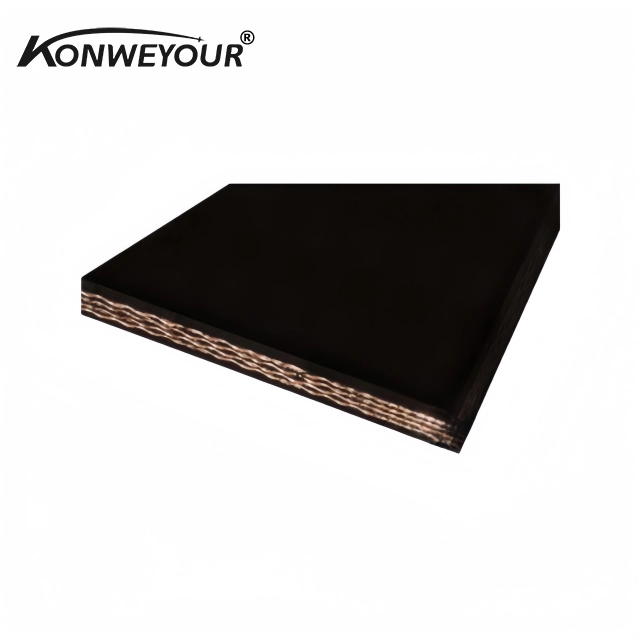
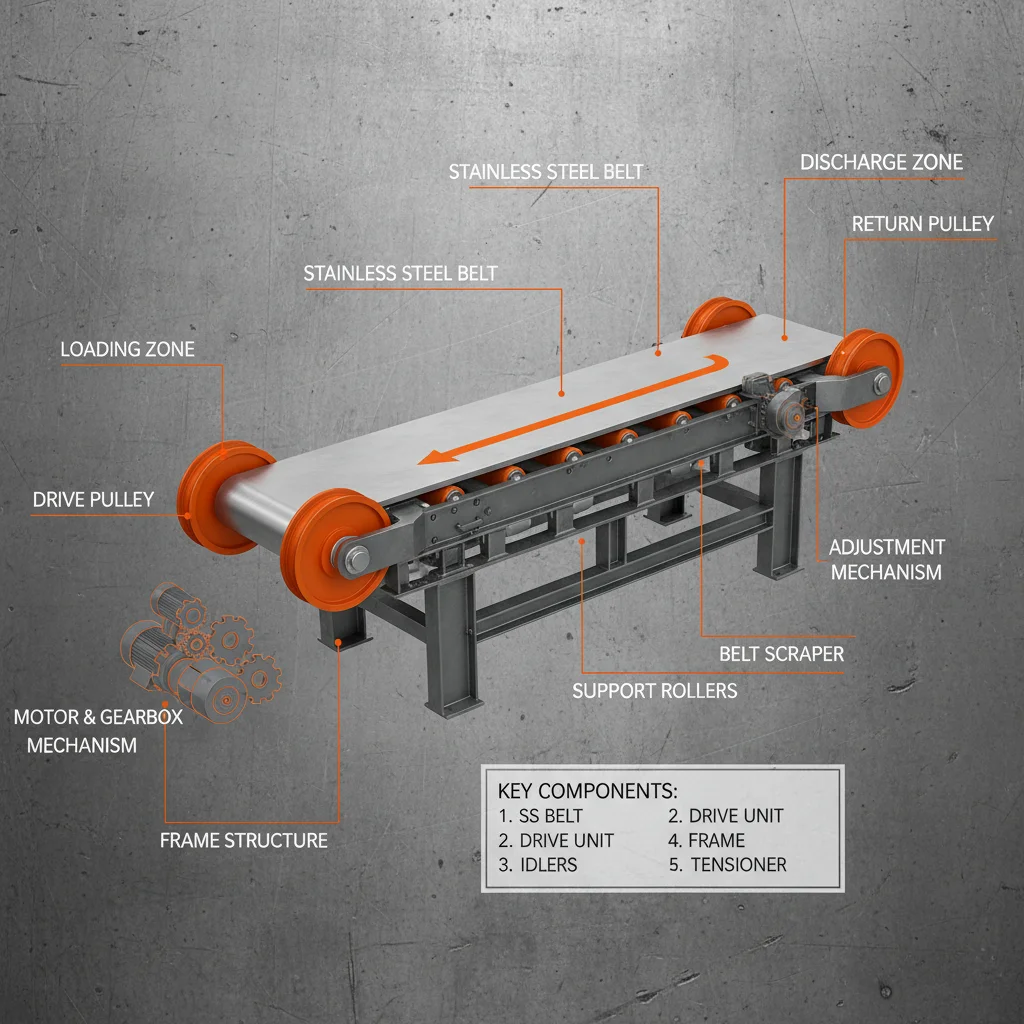
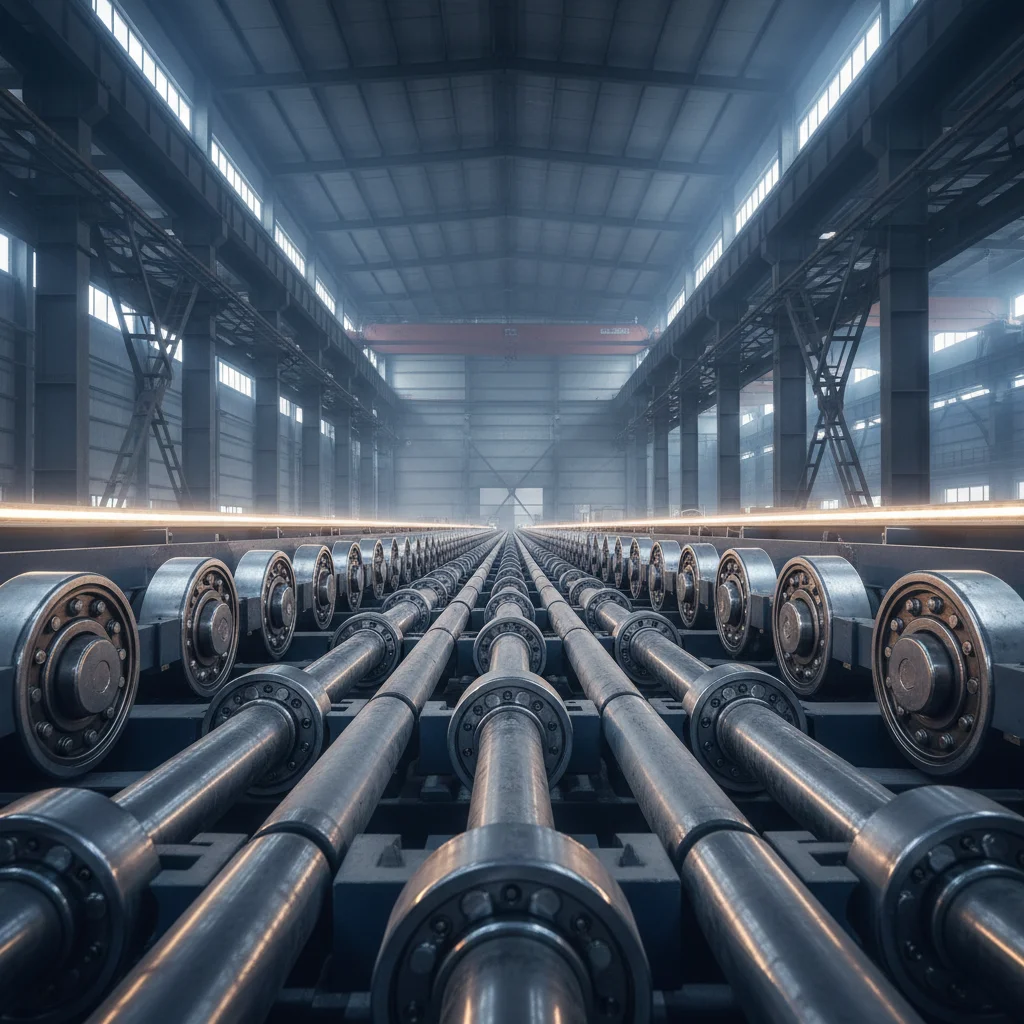
Contemporary conveyor belt systems for coal mines are engineered with a suite of technical innovations that set them apart from their predecessors. At the forefront is the adoption of advanced belt materials, often comprising multi-ply fabrics, steel cord reinforcement, and specialized rubber compounds that resist abrasion, impact, and chemical degradation, extending service life significantly. Drive systems have evolved to incorporate high-efficiency motors, variable frequency drives (VFDs), and sophisticated gearboxes, enabling precise speed control, energy savings of up to 30%, and reduced mechanical stress during start-up and shutdown phases. Furthermore, intelligent sensor integration provides real-time data on belt tension, temperature, speed, and material flow, allowing for proactive maintenance and operational adjustments. For example, infrared cameras can detect hot spots on rollers indicative of impending bearing failure, preventing catastrophic breakdowns. Self-aligning idlers and improved tracking mechanisms minimize belt wandering, a common cause of spillage and structural damage. The advent of modular designs also facilitates easier installation, replacement of components, and scalability, significantly shortening maintenance windows and enhancing overall system uptime.
Strategic Vendor Selection: A Comparative Analysis
Choosing the right manufacturer for conveyor belt systems is a pivotal decision that influences long-term operational costs, reliability, and safety. Different vendors offer varying strengths, from specialized material science to integrated automation platforms. A thorough comparative analysis is essential. Key factors to consider include the manufacturer's experience in mining applications, the quality and durability of their components, the breadth of their product range, after-sales support, and their commitment to innovation and sustainability. Below is a comparative overview of typical considerations when evaluating potential suppliers:
Feature/Criteria | Manufacturer A (Premium) | Manufacturer B (Mid-Range) | Manufacturer C (Value-Oriented) |
Belt Material & Durability | High-grade steel cord, advanced abrasion-resistant compounds (5-7 year lifespan) | Multi-ply fabric, good abrasion resistance (3-5 year lifespan) | Standard fabric, adequate for light to medium duty (2-3 year lifespan) |
Drive System Efficiency | IE4/IE5 motors, VFDs, predictive maintenance integration (Energy savings up to 30%) | IE3 motors, VFD options (Energy savings up to 20%) | IE2/IE3 motors, fixed speed (Standard efficiency) |
Automation & Monitoring | Full IoT integration, AI-driven analytics, remote diagnostics | Sensor packages, local HMI, basic data logging | Manual inspection, basic safety interlocks |
After-Sales Support | Global 24/7 support, extensive spare parts network, training programs | Regional support, standard parts availability | Limited local support, longer lead times for specialized parts |
Customization Capability | High degree of customization, bespoke engineering for unique challenges | Modular components, some configuration options | Standardized designs, limited modifications |
Initial Investment | Higher | Moderate | Lower |
Total Cost of Ownership (TCO) | Potentially Lower (due to longevity, efficiency, less downtime) | Moderate | Potentially Higher (due to frequent maintenance, shorter lifespan) |
This systematic comparison helps procurement teams make informed decisions, aligning technological capabilities with budgetary constraints and operational demands.
Tailored Solutions for Diverse Mining Requirements
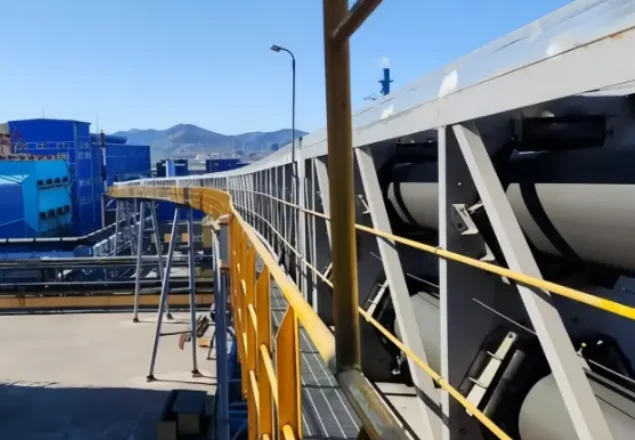
No two coal mines are exactly alike, and therefore, a one-size-fits-all approach to conveyor systems is rarely effective. Customization is key to maximizing efficiency and safety in specific geological, topographical, and operational contexts. For instance, an underground longwall mine might require highly flexible, low-profile extensible conveyors that can adapt to advancing faces, often operating in challenging gaseous environments. These systems might integrate flame-retardant belts and intrinsically safe electrical components. In contrast, a large open-pit mine might necessitate massive overland conveyors spanning several kilometers, designed to handle extreme weather conditions and high tonnages, often employing pipe conveyors to minimize dust emissions and reduce land footprint. Furthermore, the type of coal (e.g., bituminous, lignite, anthracite) and its moisture content or abrasiveness dictate specific belt cover compounds and cleaning mechanisms. Specialized transfer points, chutes, and feeders are often engineered to minimize impact damage, spillage, and dust generation at critical junctures. The ability to integrate with existing mine infrastructure, from crushing plants to stockpiling systems, also drives bespoke design considerations, ensuring a seamless and optimized material flow throughout the entire mining value chain.
Real-World Impact: Illustrative Application Case Studies
The practical application of advanced conveyor technology consistently demonstrates tangible benefits. Consider a deep underground bituminous coal mine facing challenges with production bottlenecks and high maintenance costs due to frequent belt damage and unscheduled stoppages. By replacing their conventional conveyor lines with a modern steel cord belt system featuring integrated smart sensors for tension monitoring and belt condition assessment, the mine experienced a remarkable transformation. Production throughput increased by 18% within the first year, attributed to a 40% reduction in unplanned downtime. Furthermore, the robust construction and predictive maintenance capabilities extended the belt's lifespan by two years beyond previous systems, significantly reducing capital expenditure on replacements. In another instance, an open-pit lignite mine implemented a 10 km overland pipe conveyor system to transport coal directly to a power plant, bypassing traditional truck haulage. This transition resulted in an estimated annual saving of $8 million in fuel and maintenance costs associated with truck fleets, concurrently reducing carbon emissions by 7,500 tons per year. These case studies underscore how strategically designed and implemented conveyor solutions are not merely components but catalysts for profound operational improvements and sustainable mining practices.
The Future Landscape of Coal Mine Conveyor Belt Systems
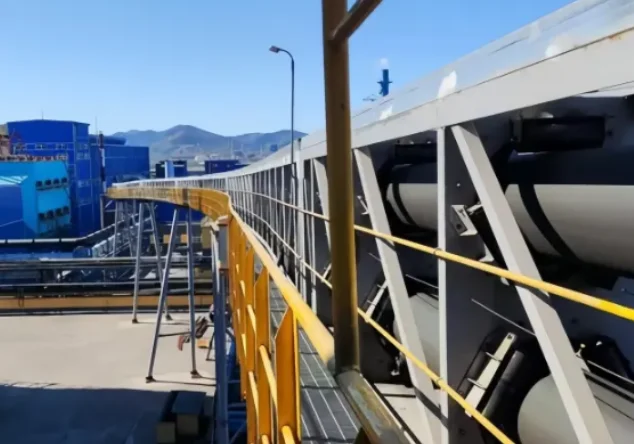
The evolution of coal mine conveyor belt systems is accelerating, driven by the relentless pursuit of greater efficiency, enhanced safety, and environmental stewardship. Future innovations are expected to push the boundaries of automation, integration, and material science even further. We anticipate the widespread adoption of fully autonomous conveyor networks, leveraging artificial intelligence and machine learning to optimize routing, load balancing, and predictive maintenance with minimal human intervention. Advanced composite materials and self-healing polymers could revolutionize belt durability, drastically extending service intervals and reducing waste. Energy recovery systems, capable of generating electricity from downhill stretches of conveyor, are also on the horizon, promising to further reduce the carbon footprint of mining operations. The integration of augmented reality (AR) tools for maintenance and training will empower technicians with real-time diagnostic information, improving resolution times and safety. Ultimately, the next generation of coal mine conveyor belt systems will be characterized by their intelligence, resilience, and profound capacity to contribute to safer, more sustainable, and economically viable coal extraction practices, cementing their role as indispensable assets in the global energy landscape.
Frequently Asked Questions about Coal Mine Conveyor Belt Systems
What are the primary types of conveyor belt systems used in coal mines?
The primary types include troughed belt conveyors for bulk material, steel cord conveyors for high-tension and long-distance transport, pipe conveyors for enclosed material handling and environmental protection, and extensible conveyors for underground operations where the face constantly advances.
How do modern conveyor systems enhance safety in coal mining?
Modern systems incorporate advanced safety features such as emergency stop pull cords, belt misalignment switches, slip and sequence protection, fire detection and suppression systems, rip detection technology, and intelligent monitoring that reduces the need for human presence in hazardous areas.
What role does automation play in optimizing coal mine conveyor belt systems?
Automation plays a crucial role by enabling remote monitoring and control, precise speed regulation via VFDs, automatic tensioning, predictive maintenance through sensor data analysis, and seamless integration with overall mine management systems, leading to increased uptime and efficiency.
What are the key factors to consider when selecting a conveyor belt for a coal mine?
Key factors include the type and abrasiveness of coal, tonnage requirements, distance and elevation profile, operational environment (underground/open-pit, temperature, moisture), power availability, required lifespan, and regulatory compliance standards.
How do conveyor belt systems contribute to environmental sustainability in coal mining?
They contribute by reducing reliance on diesel-powered haul trucks, thereby lowering fuel consumption and greenhouse gas emissions. Pipe conveyors minimize dust emissions and spillage, protecting local ecosystems, and energy-efficient drive systems reduce overall power consumption.
What is the typical lifespan of a coal mine conveyor belt system, and how can it be extended?
The lifespan varies significantly, from 2-3 years for basic fabric belts in harsh conditions to 5-7+ years for high-quality steel cord belts. It can be extended through regular preventative maintenance, proper belt tracking, optimal tensioning, prompt repair of damage, use of high-grade materials, and effective cleaning systems.
Can existing coal mine conveyor systems be upgraded with modern technology?
Yes, many existing systems can be significantly upgraded. This often involves replacing outdated drive systems with VFDs, integrating advanced sensors and monitoring systems, upgrading belt materials, and improving transfer points for better material flow and reduced spillage.