Understanding Gravity Roller Conveyor Parts: A Veteran’s Take
Having spent most of my career around industrial equipment — specifically conveyors — I can’t help but appreciate the subtle genius built into gravity roller conveyor parts. These components might look simple, but in practice, they keep entire production lines fluid and efficient. This article dives into what makes gravity roller conveyor parts so essential and shares some insights I’ve picked up along the way.
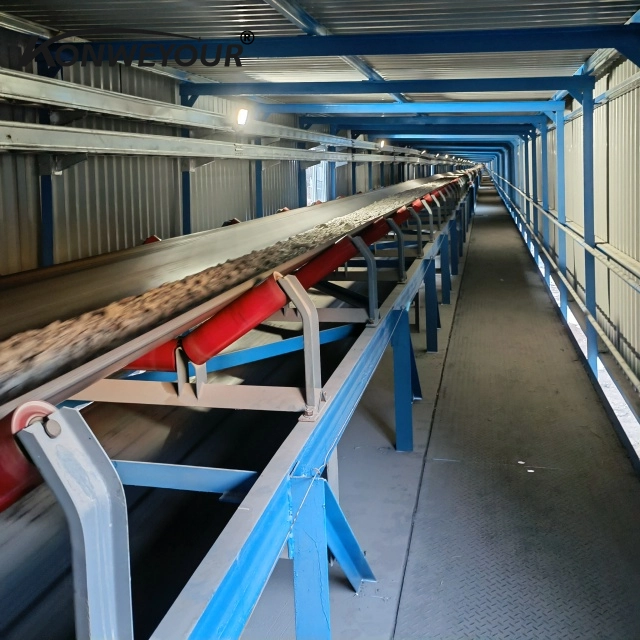
Now, if you’ve ever walked the floor of a warehouse or a manufacturing plant, you’ll have noticed these conveyors at work. Oddly enough, their simplicity is deceptive. No motors, no complicated controls — just gravity and some clever parts doing the heavy lifting. But that doesn’t mean they’re all made equal.
Key Components & Materials
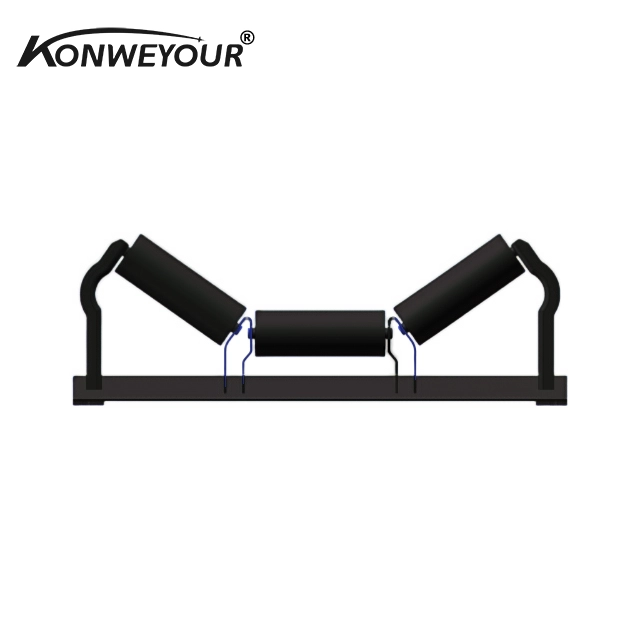
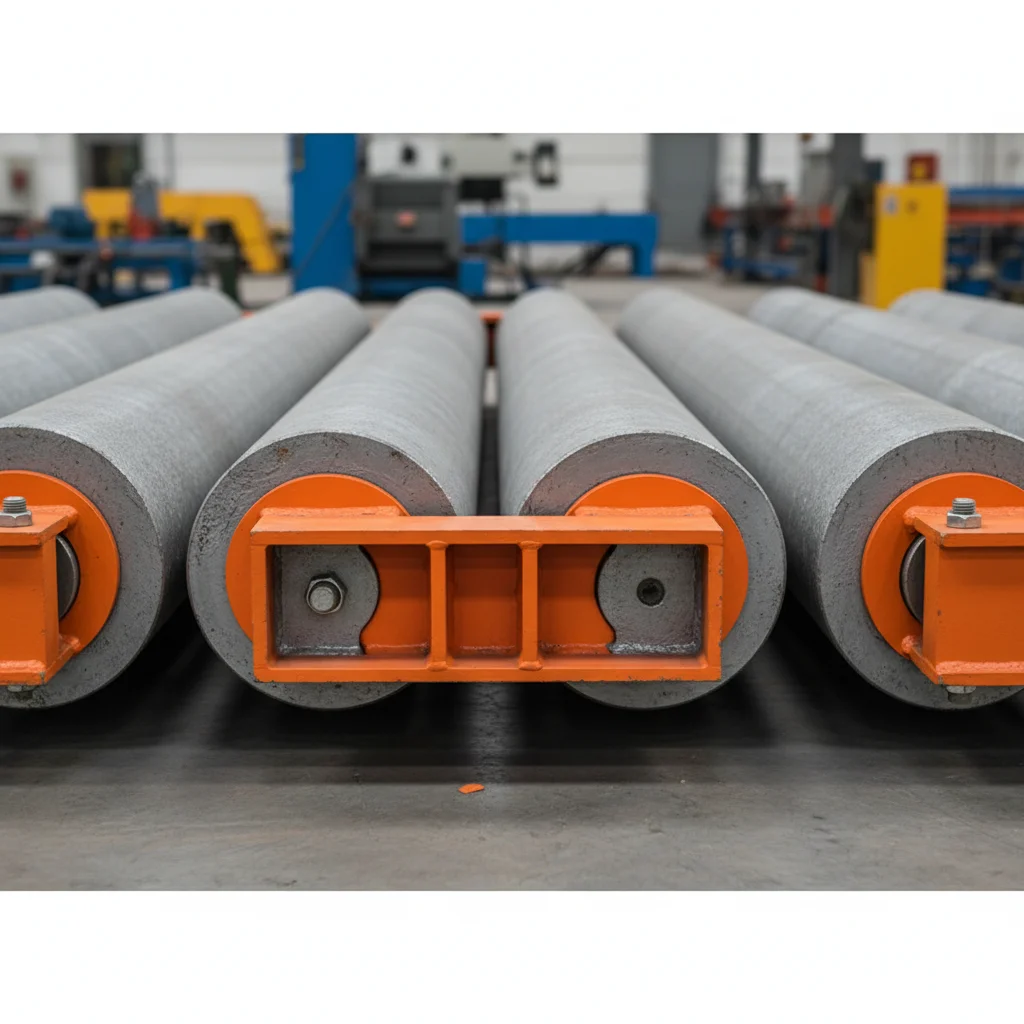
Let’s break down the main parts. The conveyors typically include rollers, frames, bearings, and end caps. Rollers are usually steel or aluminum — steel for durability, aluminum when weight savings matter. Frankly, you’ll want rollers with sealed bearings if the environment is dusty or humid, or else you’ll end up with increased maintenance.
The frames supporting these rollers tend to be made from galvanized steel, which resists rust and wear. In my experience, a good conveyor isn’t just about raw materials but also how well the parts are matched and tested under load. Speaking of testing, quality vendors often simulate operational stress to ensure rollers turn freely under typical payloads.
| Specification |
Details |
| Roller Diameter |
1.9 to 3 inches |
| Roller Material |
Steel or aluminum (galvanized finish optional) |
| Bearing Type |
Sealed ball bearings |
| Frame Material |
Galvanized steel |
| Load Capacity |
Up to 250 lbs per roller |
| Roller Lengths |
12 to 72 inches (custom sizes available) |
Choosing the Right Vendor: What Matters?
If you ask most engineers, they'll tell you — reliability and customization make a vendor stand out. For gravity roller conveyor parts, you want quick turnaround, solid specs, and adaptable designs that fit your facility’s quirks. In fact, I recall a project where the standard sizes just wouldn’t cut it; fortunately, a vendor offered custom rollers within days, saving the whole assembly line’s deadline.
Of course, price matters, but sometimes investing a bit more means fewer headaches down the line. To give you a quick overview, here’s a simple comparison of typical vendors I’ve worked with:
| Vendor |
Customization |
Lead Time |
Quality Rating |
Price |
| JT Conveyor |
High (custom lengths & finishes) |
1-2 weeks |
9/10 |
$$$ |
| ConveyorCo |
Medium (standard sizes mainly) |
2-3 weeks |
7/10 |
$$ |
| RollerHub |
Low (limited customization) |
3-4 weeks |
6/10 |
$ |
Quality rating based on material durability, customer feedback, and warranty terms.
Why Gravity Roller Conveyors Still Matter
I suppose one reason these conveyors are still popular is their low maintenance nature. No power requirements mean fewer failures and simpler installation. In real terms, this translates into less downtime for many industrial setups. Plus, they’re super versatile — perfect for short-distance transfers, packaging lines, or even shipping docks.
One quick story from the field: A packaging line I visited recently had a gravity roller conveyor setup custom-made for their oddly shaped cartons. They told me the conveyor parts from gravity roller conveyor parts specialist helped keep their throughput high without slowing down to fix complications. That’s the kind of everyday reliability that isn’t flashy but is priceless.
So, if you’re weighing options for your next conveyor project, consider the parts carefully. The right rollers, bearings, and frames make all the difference. Plus, a trusted vendor who understands your specific needs can make your life a lot easier — trust me, I’ve been there.
As always, a conveyor is only as good as the parts inside it, and gravity roller conveyor parts quietly do some of the toughest work with style.
References:
1. Conveyor Equipment Manufacturers Association – Best Practices, 2023
2. “Material Handling Handbook” by James Apple, 5th Ed., 2019
3. JT Conveyor Technical Specifications & Customer Review Analysis, 2024