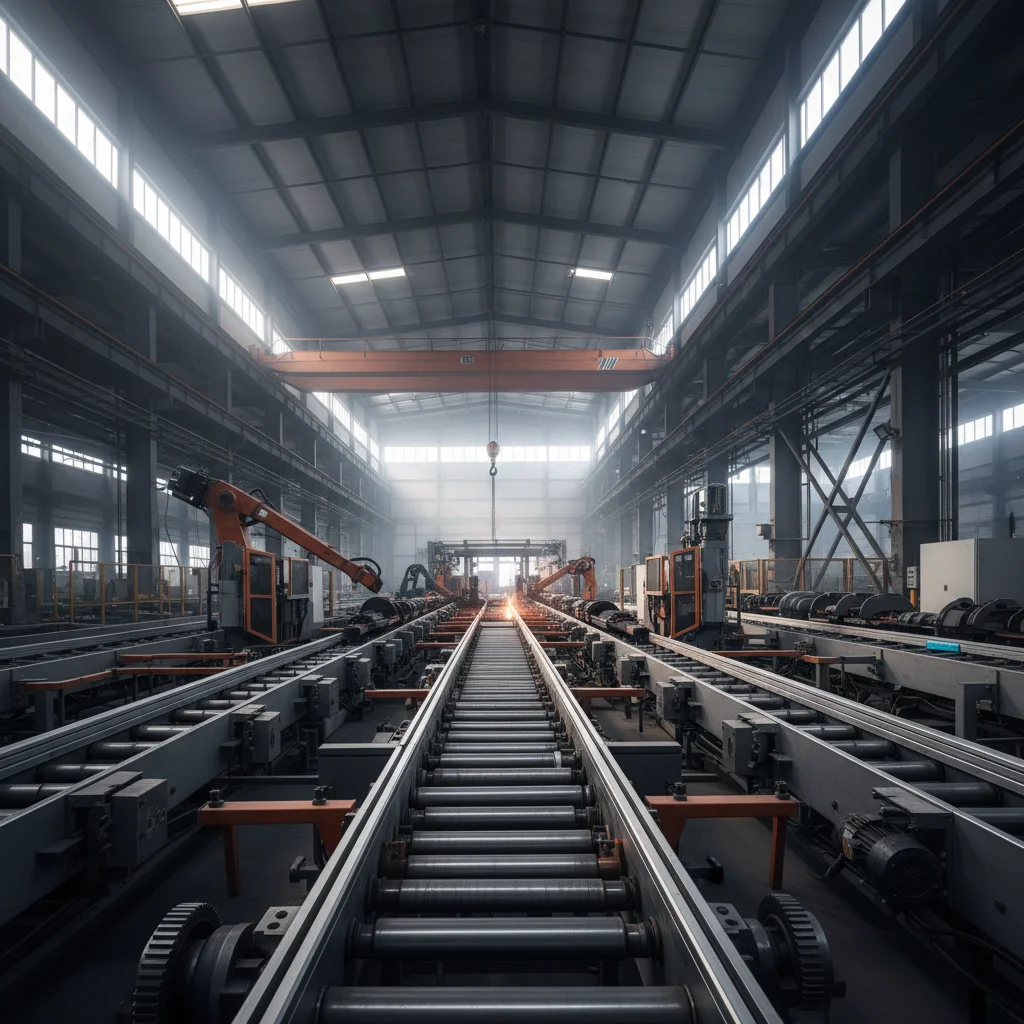
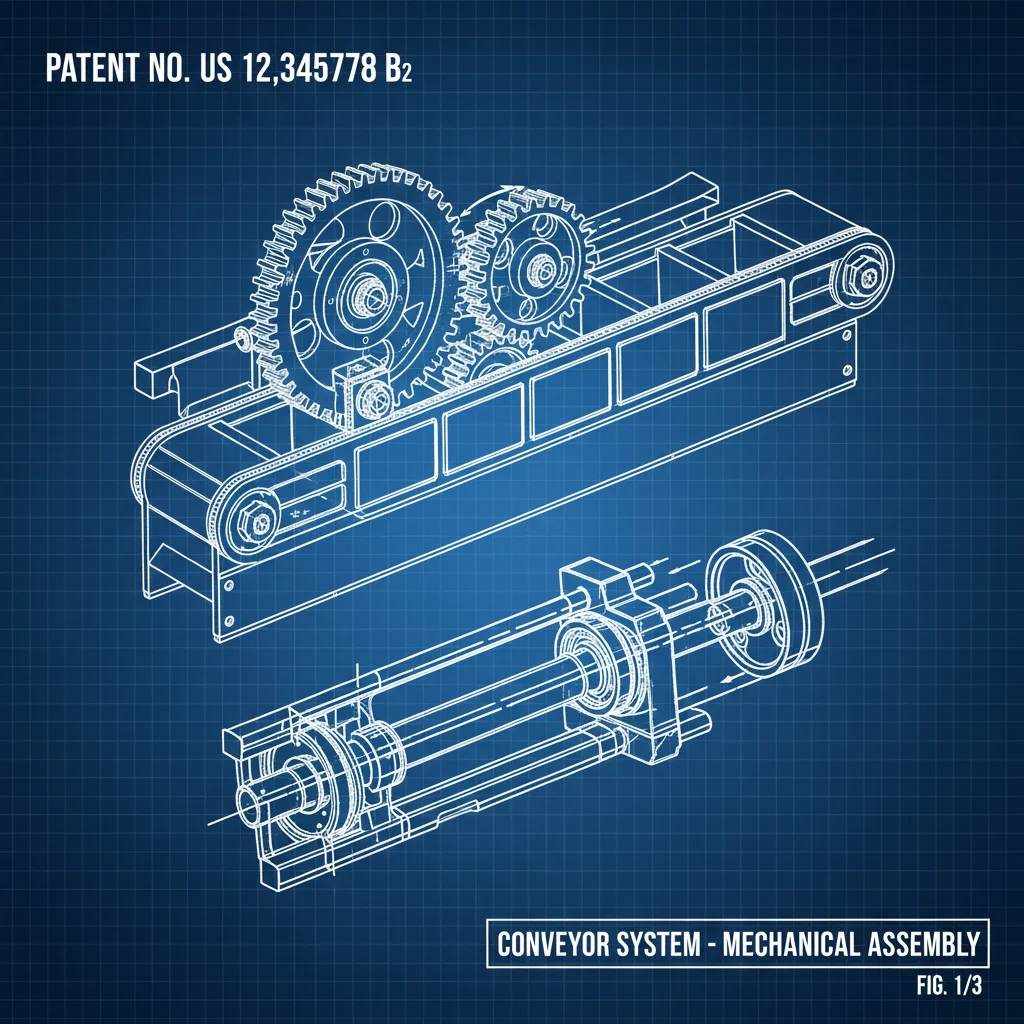
Factory conveyors are the unsung heroes of modern manufacturing and logistics, silently but powerfully driving efficiency and productivity across countless industries. From automotive assembly lines to intricate e-commerce fulfillment centers, these systems transport materials, products, and components with remarkable speed and precision. Understanding the nuances of factory conveyors—their types, applications, and future trends—is crucial for businesses seeking to optimize their operations and maintain a competitive edge in today’s global market. The increasing demand for faster, more reliable, and more sustainable material handling solutions is fueling innovation within the factory conveyor landscape.
Globally, the market for factory conveyors is experiencing significant growth, driven by the expansion of manufacturing in emerging economies and the increasing adoption of automation technologies. According to a report by Global Market Insights, the industrial conveyor systems market was valued at over USD 15 billion in 2022 and is projected to grow at a CAGR of around 7% between 2023 and 2032. This growth reflects a broader trend towards optimized supply chains and enhanced operational efficiency, both of which rely heavily on effective material handling systems.
However, challenges remain. Adapting to diverse production needs, managing increasing complexity, and addressing sustainability concerns require continuous advancements in factory conveyor technology. Addressing these concerns necessitates a deep understanding of the core principles and latest innovations within the field of factory conveyors.
Introduction to Factory Conveyors
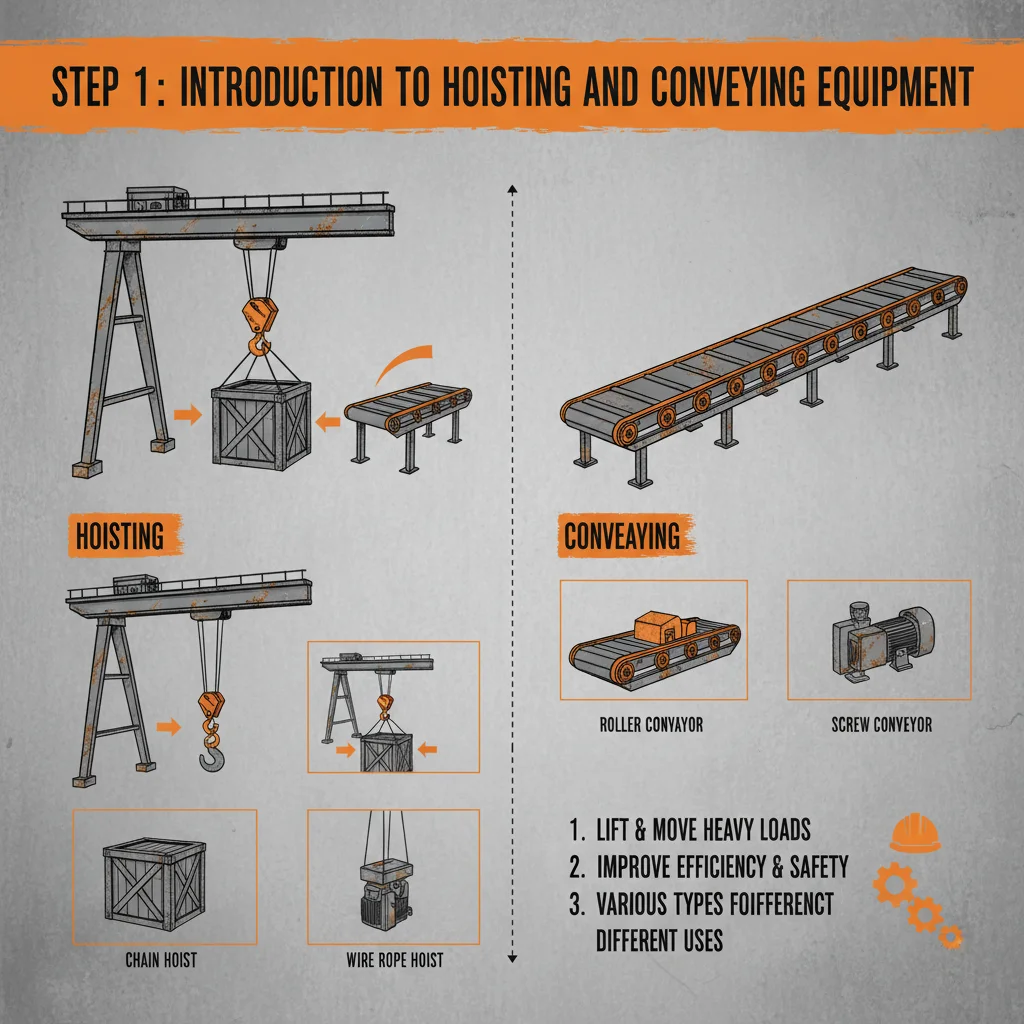
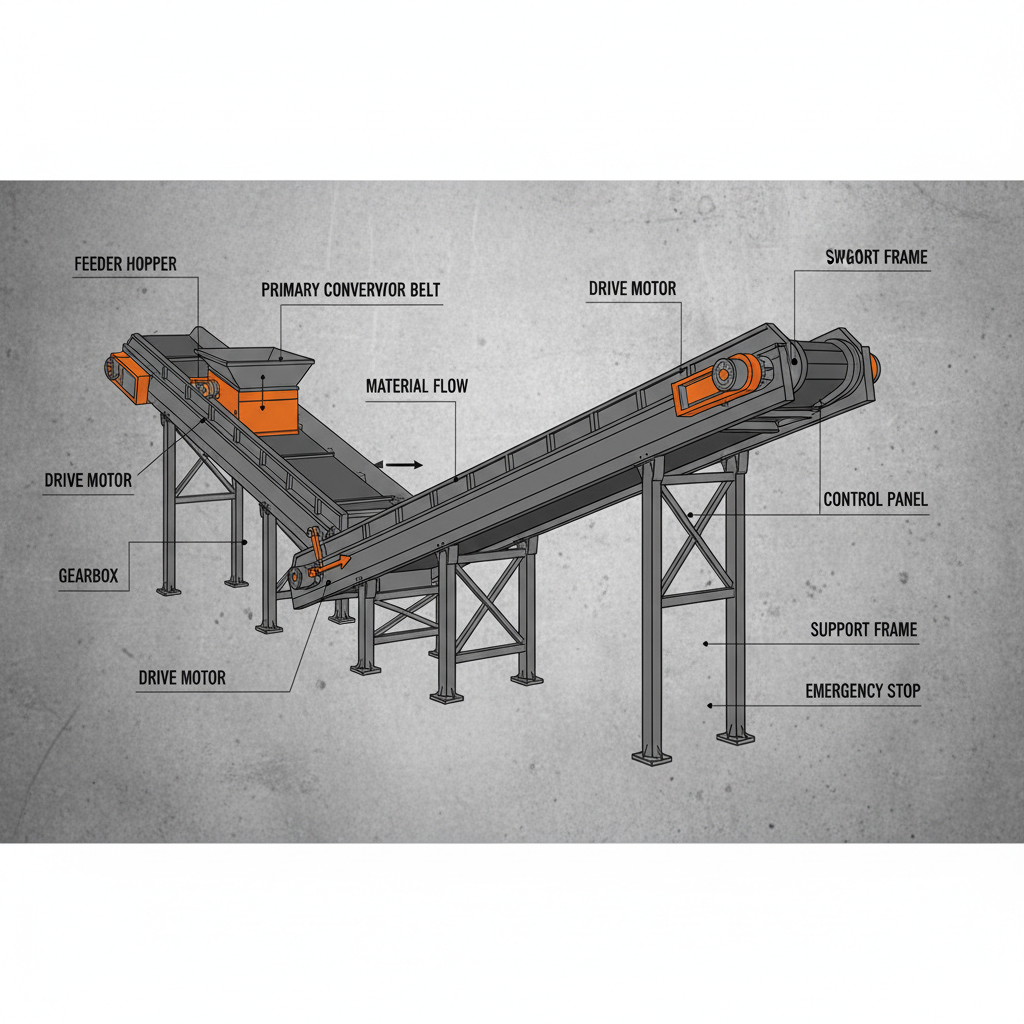
Factory conveyors represent a crucial component of automated material handling systems, playing a pivotal role in streamlining production processes. They are designed to efficiently move items between different stages of manufacturing, packaging, and distribution. A well-designed factory conveyor system can significantly reduce labor costs, improve throughput, and minimize the risk of damage to goods. Understanding the various types of factory conveyors, such as belt conveyors, roller conveyors, and chain conveyors, is essential for selecting the optimal solution for a specific application.
The implementation of advanced factory conveyors isn't merely about automation; it’s about creating a responsive, adaptable, and ultimately more resilient supply chain. These systems can be integrated with other automation technologies, such as robotics and automated guided vehicles (AGVs), to create a fully automated and highly efficient production environment. factory conveyors are a cornerstone of modern industrial operations.
Defining Factory Conveyors
At its core, a factory conveyor is a mechanical handling device that moves materials along a predetermined path. These systems range from simple, gravity-powered roller conveyors to sophisticated, computer-controlled systems that can sort, merge, and divert products with remarkable accuracy. Factory conveyors are a vital link in the manufacturing process, connecting various workstations and ensuring a continuous flow of materials.
The connection to modern industry is undeniable. Without efficient material handling, production lines would grind to a halt, and businesses would struggle to meet demand. Factory conveyors enable mass production, reduce manual labor, and improve workplace safety. They are integral to the smooth functioning of countless industries, from food and beverage processing to pharmaceuticals and automotive manufacturing.
Furthermore, in humanitarian contexts, mobile factory conveyor systems can be rapidly deployed to establish efficient logistics for aid distribution in disaster-stricken areas or refugee camps, accelerating the delivery of essential supplies.
Key Factors in Conveyor System Design
Durability is paramount in factory conveyor systems. These systems operate continuously, often in demanding environments, and must withstand heavy loads, abrasion, and temperature fluctuations. Choosing high-quality materials and robust construction techniques is crucial for ensuring long-term reliability and minimizing downtime. A conveyor's lifespan directly impacts the return on investment.
Scalability is another essential factor. As production demands evolve, a factory conveyor system must be able to adapt and expand. Modular designs allow for easy addition of new sections or modification of existing configurations. Planning for future growth during the initial design phase can save significant time and cost in the long run.
Cost efficiency is a constant consideration. While upfront costs are important, it’s crucial to consider the total cost of ownership, including maintenance, energy consumption, and potential downtime. Selecting a conveyor system that offers a balance between performance, reliability, and affordability is key to maximizing return on investment. Furthermore, factory conveyors designed with energy efficiency in mind can contribute to significant cost savings over the system’s lifespan.
Global Applications of Factory Conveyors
Factory conveyors are ubiquitous across a diverse range of industries. In the automotive industry, they are used extensively in assembly lines to move car bodies and components through various stages of production. Food and beverage processing plants rely on conveyors for transporting raw materials, packaging products, and managing waste.
E-commerce fulfillment centers, such as those operated by Amazon and other major retailers, heavily utilize complex conveyor systems to sort and route packages with incredible speed and accuracy. These systems are crucial for meeting the demands of online shoppers and ensuring timely delivery. In remote industrial zones of Asia, conveyors facilitate resource extraction and initial processing, enabling efficient material flow from the source to processing facilities.
Pharmaceutical companies employ sanitary conveyors designed to maintain strict hygiene standards during the manufacturing of medications. Even in logistics hubs and airports, conveyors play a vital role in handling baggage and freight.
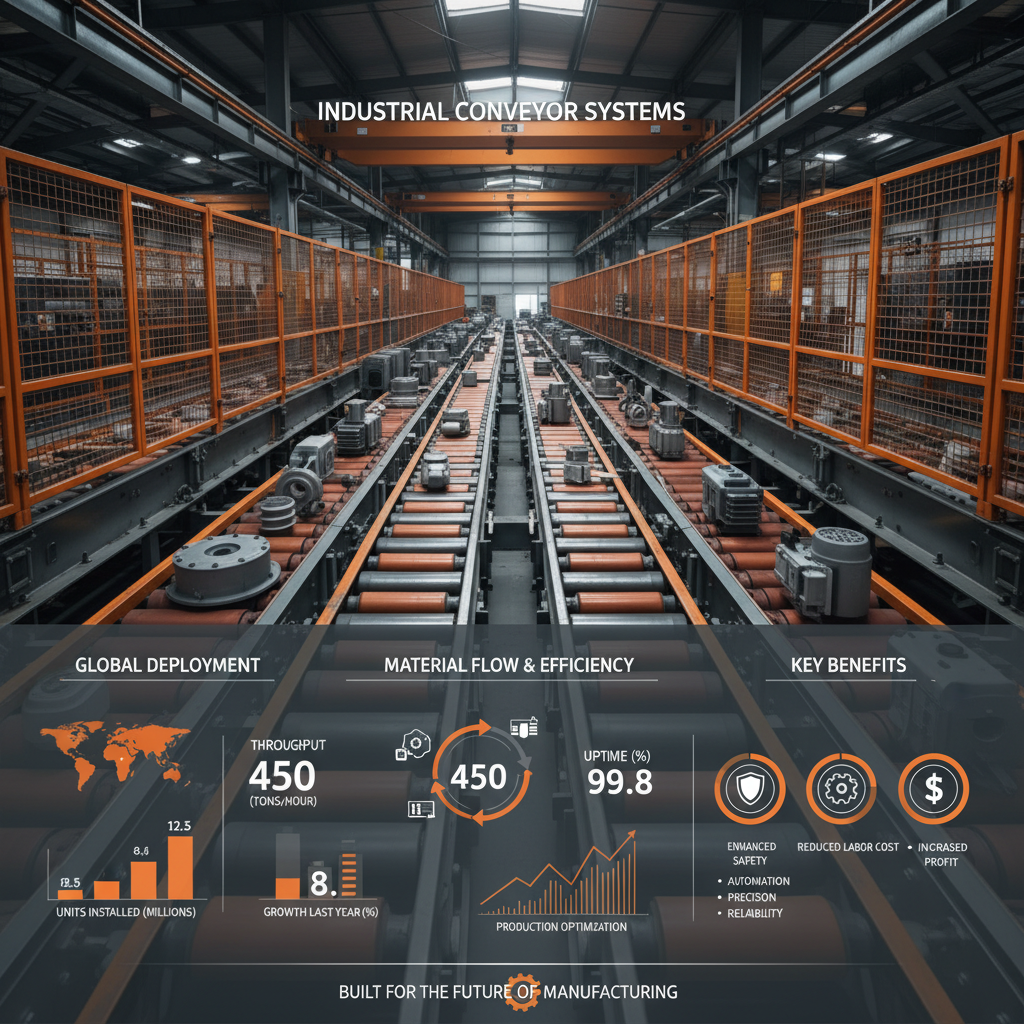
Factory Conveyor System Performance
Advantages and Long-Term Value
The advantages of implementing factory conveyors are numerous and far-reaching. Cost savings are achieved through reduced labor requirements, increased throughput, and minimized product damage. Sustainability is enhanced through optimized material flow and reduced energy consumption. Improved workplace safety is a key benefit, as conveyors eliminate the need for manual lifting and carrying of heavy loads. factory conveyors truly boost productivity.
Beyond the tangible benefits, factory conveyors contribute to long-term value by fostering innovation, building trust with customers, and enhancing a company's reputation for efficiency and reliability. A well-designed conveyor system instills confidence in both employees and stakeholders.
Future Trends and Innovations
The future of factory conveyors is being shaped by several key trends. The integration of artificial intelligence (AI) and machine learning (ML) is enabling predictive maintenance, optimized routing, and automated fault detection. The adoption of Industrial Internet of Things (IIoT) sensors is providing real-time data on conveyor performance, allowing for proactive adjustments and improved efficiency.
Sustainability is also driving innovation, with a focus on developing energy-efficient conveyor systems and utilizing recycled materials. Automation will continue to expand, with robots and AGVs seamlessly integrated into conveyor networks. Digital twin technology, creating virtual replicas of physical conveyor systems, will become increasingly prevalent, enabling remote monitoring, simulation, and optimization.
Challenges and Solutions in Conveyor Systems
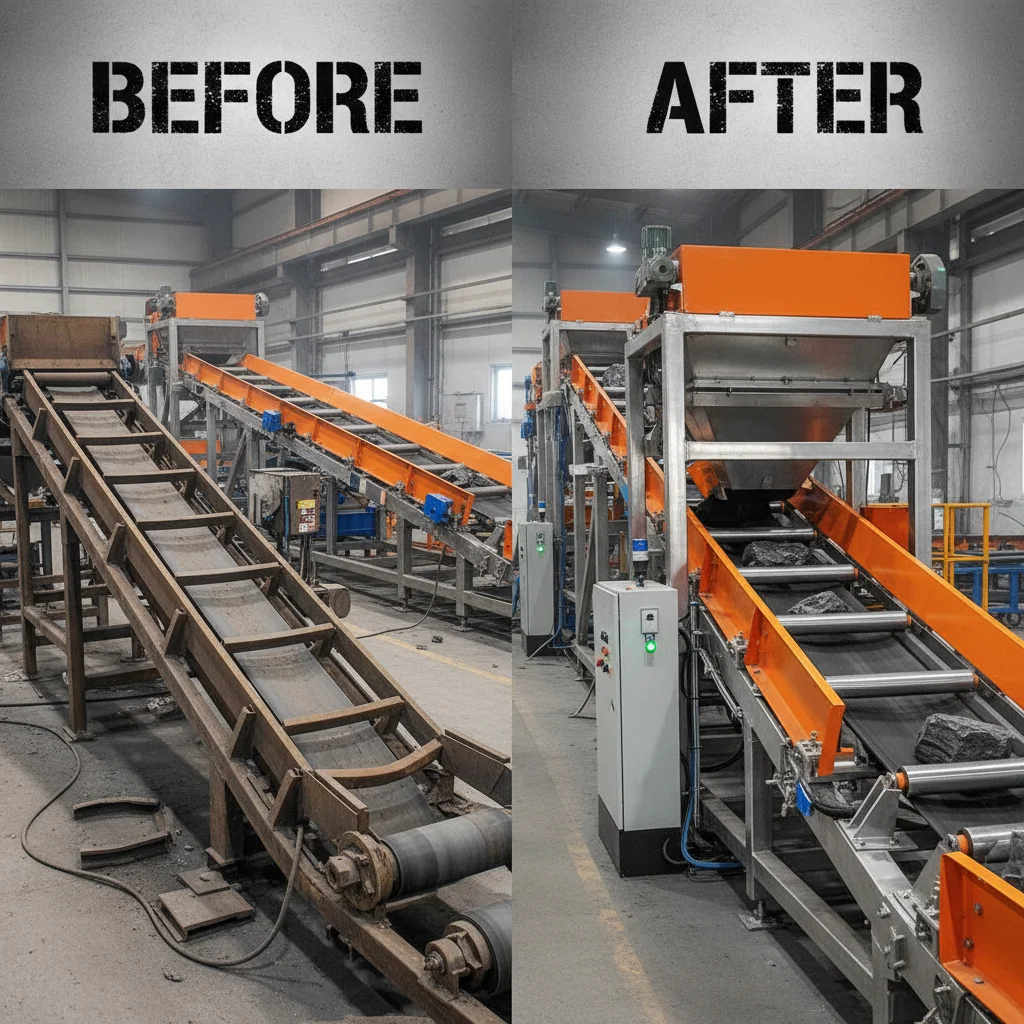
Despite their benefits, factory conveyor systems face several challenges. Maintaining system reliability, minimizing downtime, and adapting to changing production requirements can be complex. Integrating conveyors with existing legacy systems can also pose difficulties. Furthermore, ensuring worker safety around moving machinery is paramount.
Solutions include implementing robust preventative maintenance programs, utilizing modular designs for easy adaptation, and investing in advanced monitoring and control systems. Employing safety features such as emergency stop buttons, light curtains, and guarding is crucial. The use of simulation software can help identify potential bottlenecks and optimize conveyor layouts before implementation.
A proactive approach to system design and maintenance, coupled with the adoption of innovative technologies, can overcome these challenges and unlock the full potential of factory conveyor systems.
Summary of Common Conveyor System Issues and Solutions
| Issue |
Severity |
Potential Causes |
Recommended Solutions |
| Frequent Downtime |
High |
Mechanical Failure, Lack of Maintenance |
Implement Preventative Maintenance Schedule |
| Product Damage |
Medium |
Incorrect Conveyor Type, Speed Too High |
Adjust Conveyor Speed, Select Appropriate Conveyor |
| Bottlenecks |
Medium |
Uneven Material Flow, Poor System Layout |
Optimize Conveyor Layout, Implement Buffers |
| Integration Issues |
Medium |
Compatibility Problems with Existing Systems |
Use Standardized Protocols, Consult Integration Specialists |
| Safety Concerns |
High |
Lack of Safety Guards, Inadequate Training |
Install Safety Guards, Provide Employee Training |
| Energy Inefficiency |
Low |
Outdated Equipment, Poor Maintenance |
Upgrade to Energy-Efficient Models, Regular Maintenance |
FAQS
The most common types include belt conveyors (versatile for various materials), roller conveyors (ideal for boxed items), chain conveyors (for heavy loads), overhead conveyors (space-saving), and pneumatic conveyors (for granular materials). The best choice depends on the specific application, material characteristics, and production requirements. Choosing the correct factory conveyor for a given task is crucial for optimizing material handling and boosting overall efficiency.
Determining conveyor capacity involves analyzing factors like the material’s size, weight, and flow rate. You need to calculate the volume of material you need to move per unit of time. Consider peak demand and future growth. A qualified conveyor system designer can help perform these calculations accurately to ensure the system can handle your current and projected needs.
Safety is paramount. Install emergency stop buttons within easy reach, use guarding to prevent access to moving parts, and provide comprehensive training for all operators and maintenance personnel. Regularly inspect the system for wear and tear and address any safety concerns promptly. Ensure compliance with all relevant safety standards and regulations.
Successful integration requires careful planning and communication. Utilize standardized communication protocols like Ethernet/IP or Profibus. Work with experienced system integrators who can ensure seamless data exchange between the conveyor system and other equipment, such as PLCs, robots, and MES systems. Proper integration optimizes workflow and maximizes efficiency.
A typical maintenance schedule includes regular inspections of belts, rollers, chains, and motors. Lubrication of moving parts is essential. Replace worn or damaged components promptly. Implement a preventative maintenance program to identify and address potential problems before they lead to downtime. Keep detailed maintenance records for tracking and analysis.
Factory conveyors contribute to sustainability by optimizing material flow, reducing waste, and minimizing energy consumption. Selecting energy-efficient models and utilizing variable frequency drives (VFDs) can further reduce energy usage. Choosing durable materials and implementing preventative maintenance extends the system’s lifespan, reducing the need for frequent replacements.
Conclusion
In conclusion, factory conveyors are indispensable components of modern manufacturing and logistics, driving efficiency, reducing costs, and improving safety. Understanding the various types, key factors in design, and emerging trends is critical for businesses seeking to optimize their operations and maintain a competitive edge. The long-term value extends beyond immediate cost savings, encompassing increased reliability, enhanced sustainability, and a stronger foundation for innovation.
Looking ahead, the integration of AI, IIoT, and sustainable materials will further revolutionize the field of factory conveyors. Investing in advanced conveyor systems and prioritizing preventative maintenance are crucial steps toward building resilient and future-proof supply chains. For expert advice and customized conveyor solutions, visit our website: www.jtconveyor.com.