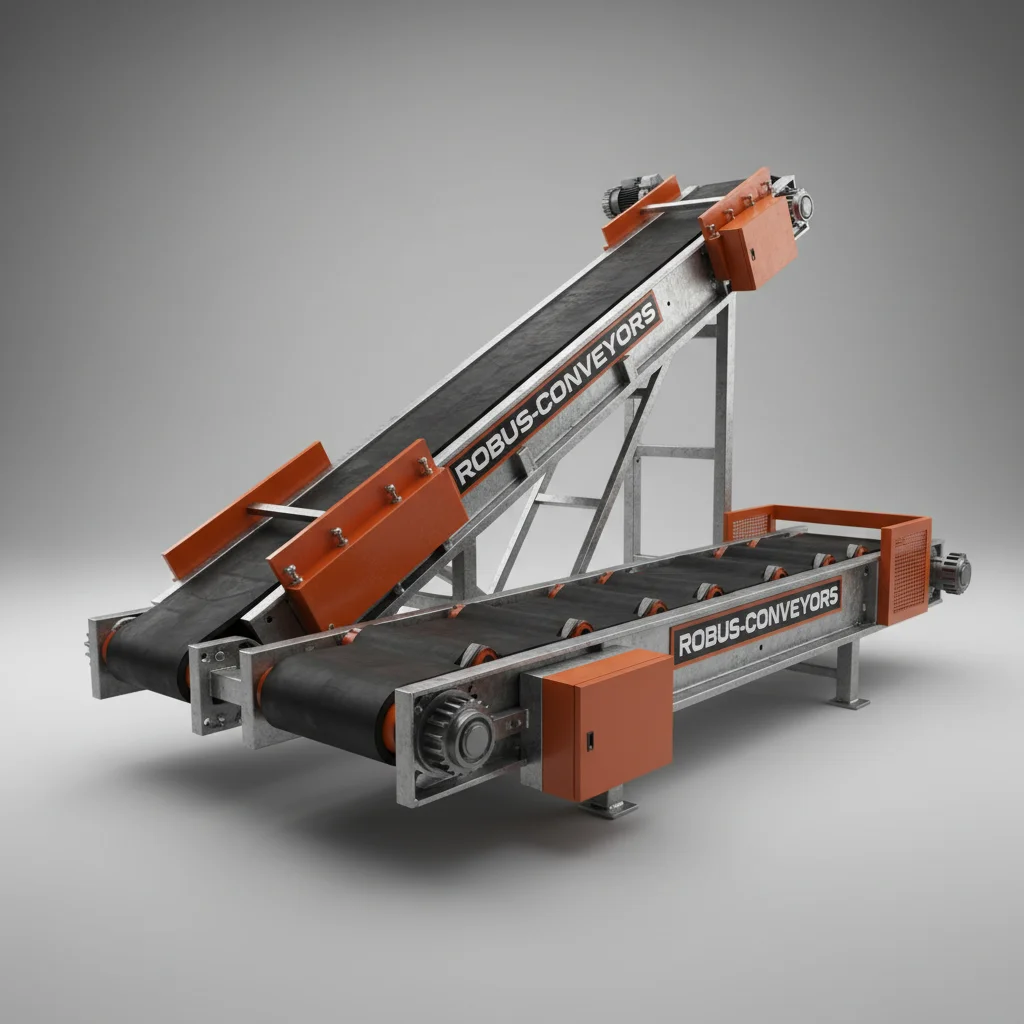
Conveyance equipment, encompassing a broad range of systems like conveyors, elevators, and automated guided vehicles, is fundamental to modern logistics and industrial operations. Its impact reaches far beyond manufacturing, playing a crucial role in agriculture, mining, food processing, and even humanitarian aid. Effective conveyance streamlines workflows, reduces labor costs, and enhances overall efficiency, ultimately contributing to economic growth and improved standards of living globally. The consistent and reliable movement of materials facilitated by this equipment is the backbone of countless industries.
The global market for conveyance equipment is experiencing substantial growth, driven by increasing automation demands and the expansion of e-commerce. According to recent reports, the global conveyor systems market alone is projected to reach \$18.8 billion by 2028, exhibiting a CAGR of 5.2% from 2021 to 2028 (Source: Verified Market Research). This growth is particularly pronounced in emerging economies undergoing rapid industrialization. Simultaneously, the challenge remains to optimize these systems for energy efficiency and sustainability, minimizing their environmental footprint.
Addressing these challenges requires innovation in conveyance technology, focusing on smarter systems that adapt to changing needs and optimize resource utilization. Furthermore, the integration of digital technologies like IoT and AI offers opportunities for predictive maintenance and improved operational control, maximizing the lifespan and efficiency of conveyance equipment.
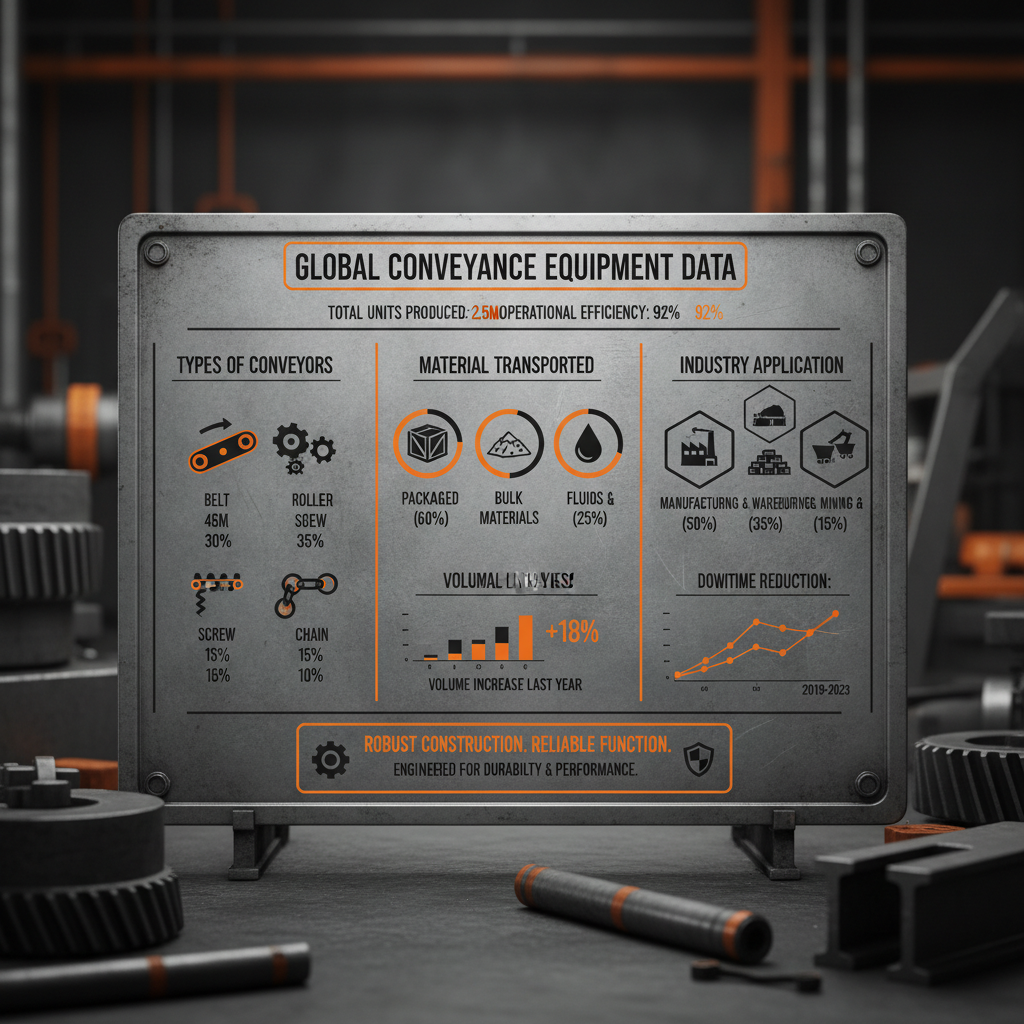
Introduction to Conveyance Equipment
Conveyance equipment isn’t simply about moving materials from point A to point B; it’s about optimizing the entire process. A well-designed conveyance system minimizes handling, reduces the risk of damage, and accelerates throughput. This leads to significant cost savings and improved operational efficiency, making it a vital component in competitive industries.
The core principle behind efficient conveyance is matching the right technology to the specific application. Factors such as material characteristics, distance, elevation changes, and desired throughput rates all influence the selection of the most appropriate system. From simple belt conveyors to complex automated sortation systems, the possibilities are vast, ensuring a solution for nearly any logistical challenge.
Defining Conveyance Equipment
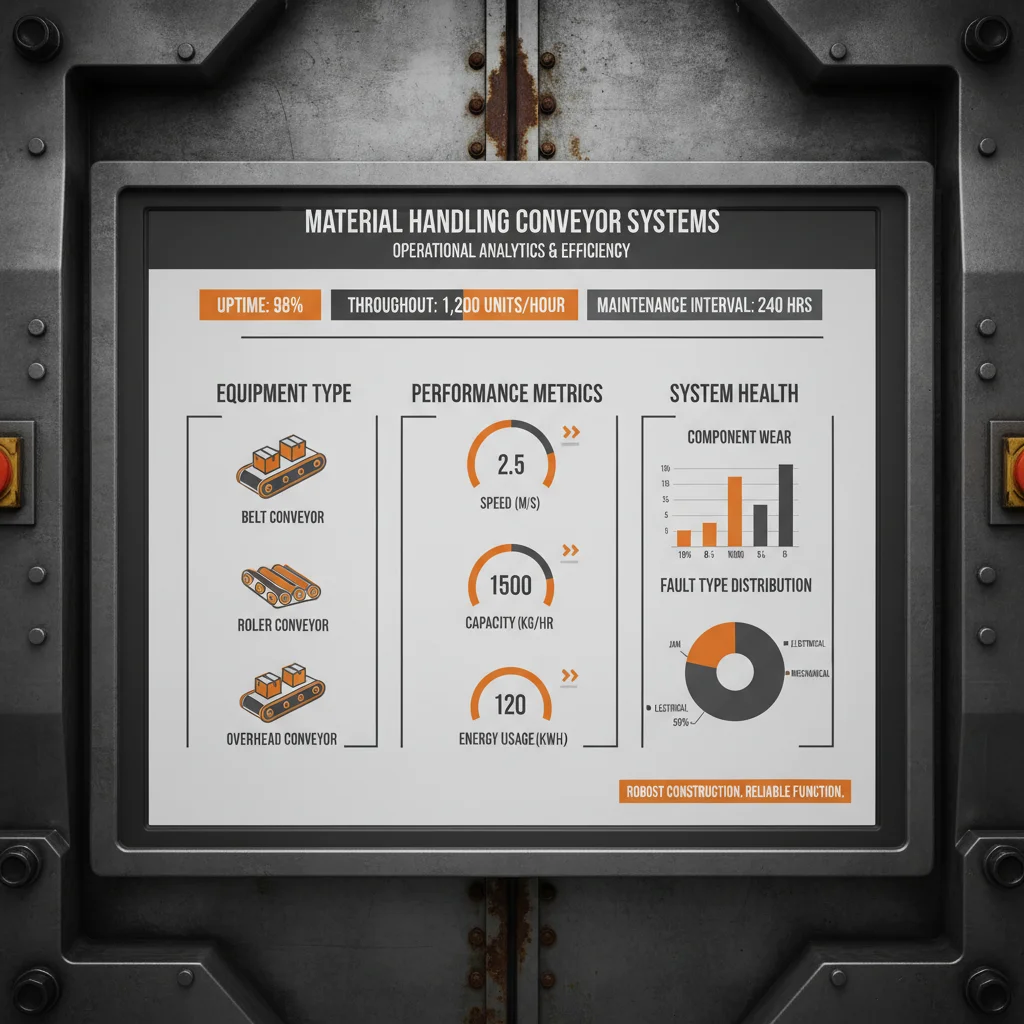
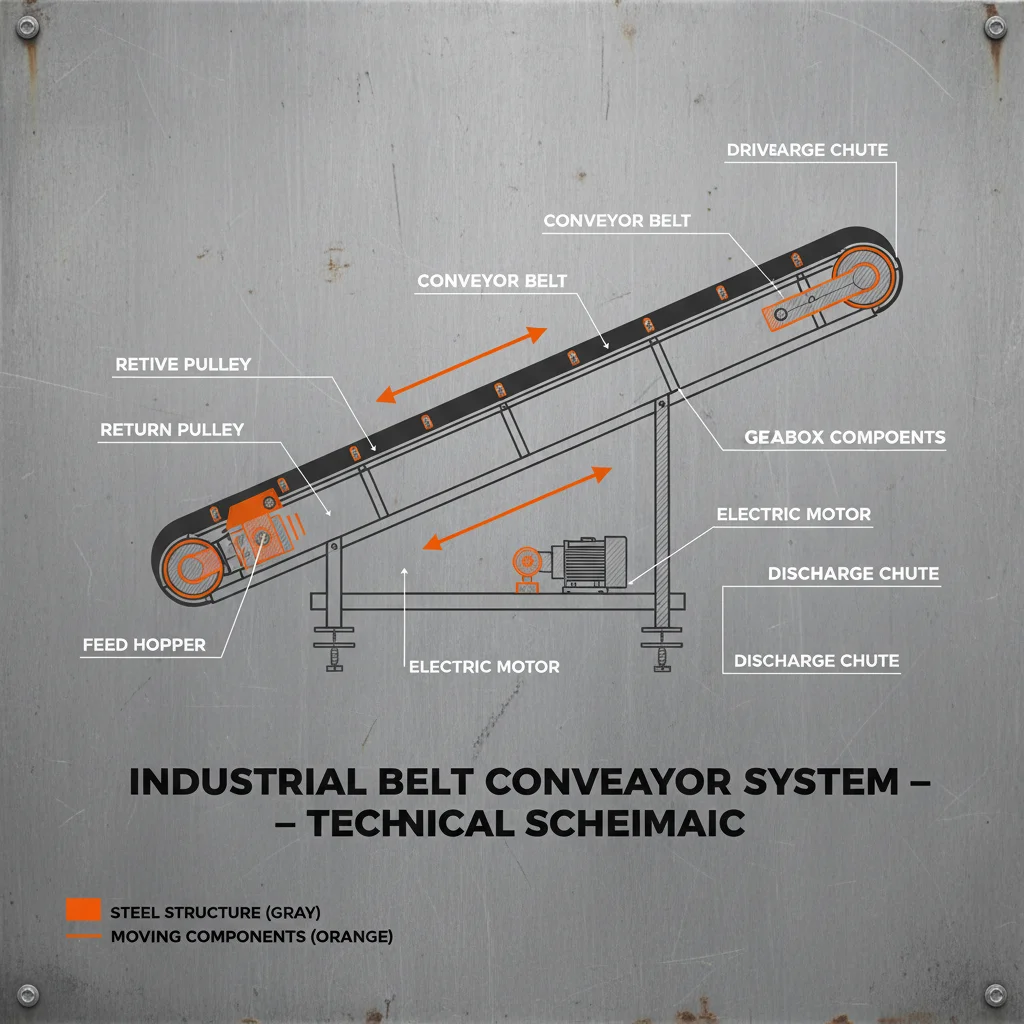
At its most basic, conveyance equipment refers to any mechanism used to transport materials or products. This includes a wide array of technologies, such as belt conveyors, roller conveyors, chain conveyors, screw conveyors, bucket elevators, and pneumatic conveying systems. These systems can operate continuously or intermittently, and can be configured to handle a variety of materials, from bulk solids to individual packages.
The connection to modern industry is undeniable. Without efficient conveyance, mass production would be impossible. These systems form the backbone of manufacturing plants, distribution centers, and logistics networks around the world. They enable the seamless flow of goods, ensuring that products reach consumers quickly and efficiently.
Importantly, the application extends beyond industrial settings. Humanitarian organizations leverage conveyance equipment for the rapid distribution of food, medical supplies, and shelter materials in disaster relief efforts, offering a lifeline to communities in need.
Key Factors of Conveyance Systems
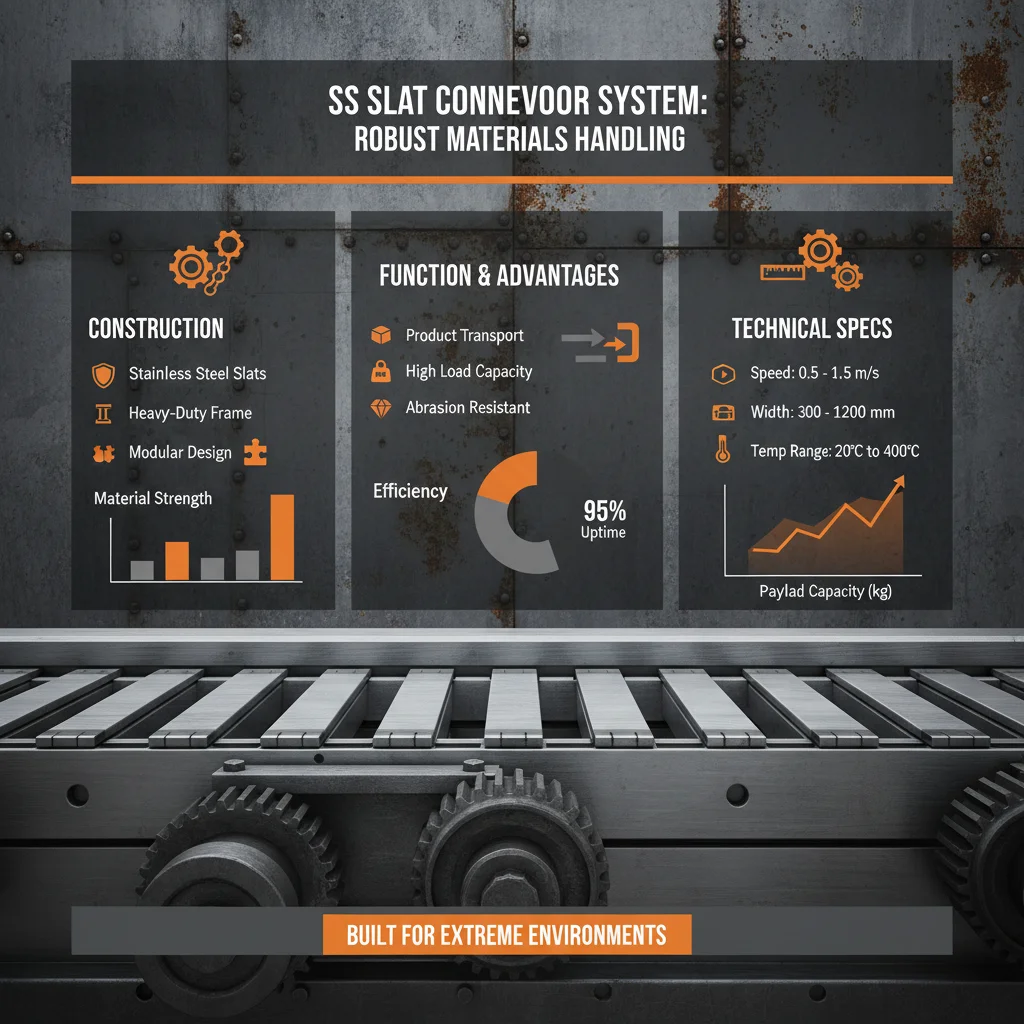
Several key factors contribute to the effectiveness and reliability of any conveyance system. Durability is paramount, as these systems often operate in demanding environments and require long-term performance with minimal maintenance. High-quality materials and robust construction are essential for withstanding continuous use and harsh conditions.
Scalability is another crucial aspect. Businesses often experience fluctuating demands, and conveyance systems must be able to adapt to changing throughput requirements. Modular designs and flexible configurations allow for easy expansion or modification, ensuring long-term viability.
Cost efficiency isn’t solely about the initial investment. It encompasses the total cost of ownership, including maintenance, energy consumption, and downtime. Energy-efficient motors, optimized designs, and preventative maintenance programs all contribute to reducing operating costs and maximizing return on investment. Finally, safety is non-negotiable. Systems must incorporate safety features like emergency stops, guarding, and sensors to protect workers and prevent accidents.
Global Applications and Diverse Use Cases
The applications of conveyance equipment are incredibly diverse. In the agricultural sector, it's used for harvesting, processing, and packaging crops. In the mining industry, it handles the massive volumes of ore and materials extracted from the earth. Food processing plants rely on hygienic and efficient conveyance systems to maintain product quality and safety.
These systems are vital in e-commerce fulfillment centers, where they automate the sorting and shipping of millions of packages daily. Amazon, for instance, utilizes extensive networks of conveyors and automated guided vehicles to manage its vast inventory and fulfill orders quickly. In post-disaster relief operations, portable conveyor systems are deployed to rapidly distribute essential supplies to affected populations.
The Asia-Pacific region represents the largest and fastest-growing market for conveyance equipment, driven by rapid industrialization and the expansion of manufacturing in countries like China and India. However, demand is also strong in North America and Europe, where industries are investing in automation and efficiency improvements.
Conveyance Equipment Efficiency by Method
Advantages and Long-Term Value
The benefits of implementing well-designed conveyance equipment extend far beyond simple cost reduction. Increased throughput and reduced labor requirements directly translate into higher profitability. Moreover, improved efficiency minimizes waste and optimizes resource utilization, contributing to sustainability goals.
Reliability is a key advantage, minimizing downtime and ensuring continuous operation. Modern systems often incorporate predictive maintenance features, allowing for proactive repairs and preventing costly breakdowns. From a societal perspective, enhanced workplace safety reduces the risk of injuries and improves employee morale, fostering a more positive and productive work environment.
Future Trends in Conveyance Technology
The future of conveyance technology is being shaped by several key trends. The integration of artificial intelligence (AI) and machine learning (ML) is enabling the development of "smart" conveyor systems that can self-optimize, predict failures, and adapt to changing conditions. This is leading to increased efficiency and reduced maintenance costs.
Another significant trend is the growing demand for sustainable solutions. Manufacturers are developing energy-efficient motors, utilizing lightweight materials, and implementing closed-loop control systems to minimize environmental impact. The use of modular designs and standardized components is also gaining traction, simplifying installation, maintenance, and upgrades.
Common Challenges and Innovative Solutions
Despite its many benefits, implementing and maintaining conveyance equipment can present certain challenges. One common issue is ensuring compatibility between different components and systems. Standardization and open communication protocols are crucial for seamless integration.
Another challenge is managing the complexity of large-scale systems. Advanced simulation and modeling tools are helping engineers design and optimize these systems, minimizing the risk of errors and maximizing performance. Furthermore, the rise of remote monitoring and diagnostics allows for faster troubleshooting and reduced downtime.
Addressing the need for flexible manufacturing is driving the development of reconfigurable conveyance systems, that can be quickly adapted to accommodate new products or production processes. These solutions are proving invaluable for companies operating in dynamic markets.
A Comparison of Common Conveyance System Issues and Resolutions
| Issue |
Severity (1-10) |
Potential Impact |
Recommended Solution |
| Component Failure |
7 |
Production Downtime, Increased Costs |
Preventative Maintenance, Spare Parts Inventory |
| System Integration Issues |
6 |
Reduced Efficiency, Compatibility Problems |
Standardized Protocols, Expert Consultation |
| Material Handling Challenges |
5 |
Product Damage, Jamming |
Optimized Conveyor Design, Material-Specific Solutions |
| Energy Consumption |
4 |
Increased Operating Costs, Environmental Impact |
Energy-Efficient Motors, Smart Control Systems |
| Safety Hazards |
9 |
Employee Injury, Legal Liabilities |
Safety Guards, Emergency Stops, Training Programs |
| Lack of Scalability |
6 |
Inability to Adapt to Growth, Limited Flexibility |
Modular Design, Reconfigurable Systems |
FAQS
Choosing the right conveyance equipment requires careful consideration of several factors. Material characteristics (size, weight, abrasiveness), throughput requirements, distance and elevation changes, and the overall layout of your facility are all crucial. Budgetary constraints, maintenance accessibility, and energy efficiency also play significant roles. Working with an experienced conveyance equipment provider can ensure you select a system optimized for your specific needs.
The frequency of preventative maintenance depends on the type of equipment, operating conditions, and usage levels. Generally, a routine inspection schedule should be established, including lubrication, belt tension checks, alignment verification, and component replacement. Regular maintenance helps prevent unexpected breakdowns, extends equipment lifespan, and ensures optimal performance. Consult your equipment manufacturer’s recommendations for specific guidelines.
Automated conveyance systems offer numerous benefits, including increased efficiency, reduced labor costs, improved accuracy, and enhanced safety. Automation minimizes manual handling, reduces the risk of errors, and allows for continuous operation. These systems can also be integrated with other automation technologies, creating a fully optimized and streamlined workflow.
Several strategies can enhance energy efficiency. Using variable frequency drives (VFDs) to control motor speed, optimizing conveyor belt tension, implementing smart control systems that adjust operation based on demand, and choosing energy-efficient motors are all effective measures. Regular maintenance, such as lubrication and alignment, also contributes to reduced energy consumption.
Essential safety features include emergency stop buttons, guarding to prevent access to moving parts, sensors to detect obstructions, and clear warning labels. Systems should also comply with relevant safety standards and regulations. Proper training for operators and maintenance personnel is crucial to ensure safe operation and prevent accidents.
The Internet of Things (IoT) enables remote monitoring, predictive maintenance, and real-time data analysis for conveyance systems. Sensors collect data on performance, temperature, vibration, and other key parameters. This data is then transmitted to a cloud platform, allowing for proactive identification of potential issues and optimized operation. Advantages include reduced downtime, lower maintenance costs, and improved overall efficiency.
Conclusion
In conclusion, conveyance equipment forms the critical backbone of modern industries, enabling efficient material handling and driving economic growth. From simple belt conveyors to sophisticated automated systems, these technologies offer significant benefits in terms of cost reduction, increased throughput, and enhanced safety. Understanding the key factors, future trends, and potential challenges associated with conveyance equipment is crucial for businesses looking to optimize their operations and maintain a competitive edge.
Looking ahead, the integration of AI, IoT, and sustainable technologies will continue to shape the future of conveyance systems. Investing in advanced solutions and prioritizing preventative maintenance will be essential for maximizing long-term value and ensuring reliable performance. As businesses navigate an increasingly dynamic global landscape, adaptable and efficient conveyance equipment will be a cornerstone of success.