Understanding Ball Bearing Conveyor Rollers
Efficient material handling is crucial for success in countless industries. At the heart of many effective systems are ball bearing conveyor rollers. These rollers minimize friction, allowing for smooth and reliable movement of goods. This article will explore the benefits, applications, types, and key considerations when selecting ball bearing conveyor rollers for your specific needs. Investing in the right rollers can significantly improve efficiency and reduce maintenance costs in your operations.
The Benefits of Using Ball Bearing Conveyor Rollers
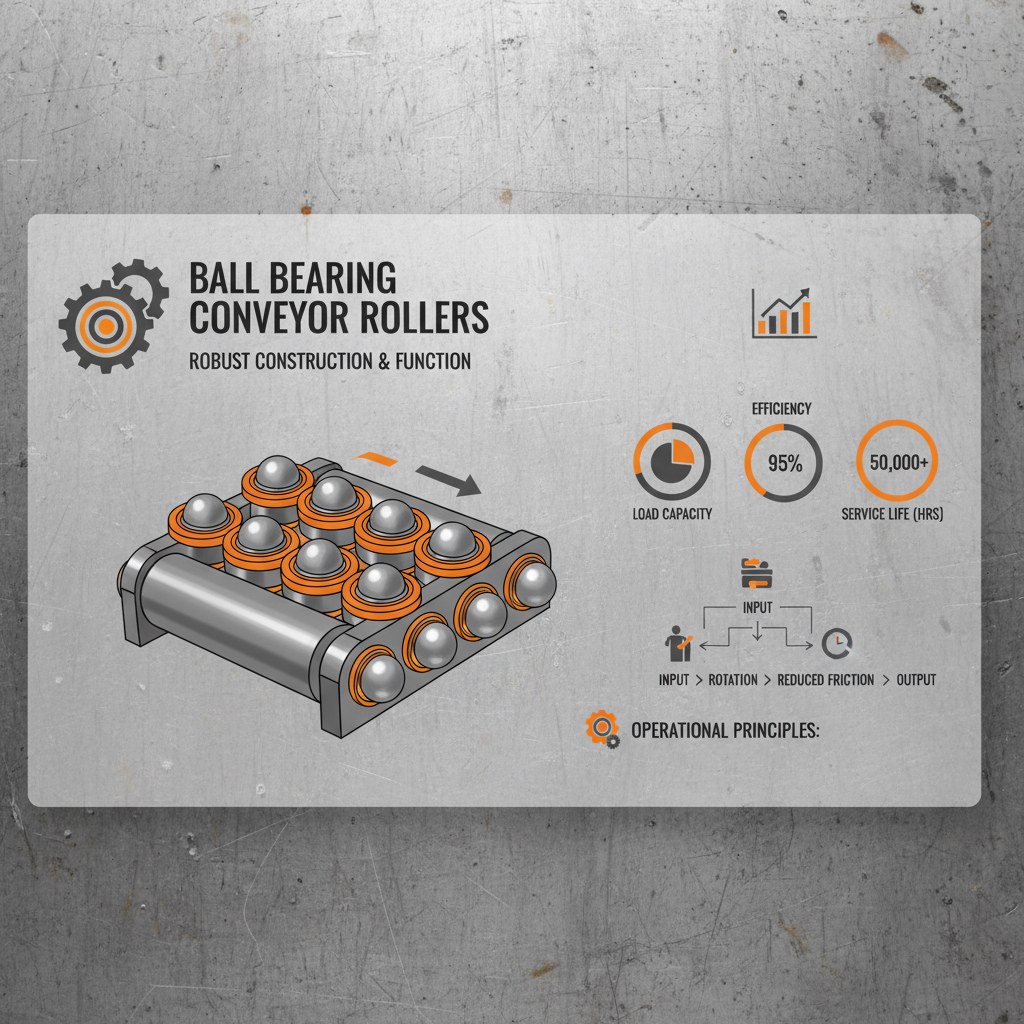
Compared to other types of conveyor rollers, ball bearing rollers offer significant advantages. The internal ball bearings drastically reduce friction, meaning less energy is required to move materials. This translates to lower operating costs and improved efficiency. They also boast a higher load capacity and can handle a wider range of materials, from lightweight packages to heavy-duty pallets. Furthermore, ball bearing rollers are known for their durability and longevity, minimizing downtime for repairs and replacements. JT Conveyor specializes in providing high-quality rollers engineered for lasting performance.
Key Benefits: Reduced friction, increased efficiency, higher load capacity, improved durability, and minimized maintenance.
Applications of Ball Bearing Conveyor Rollers
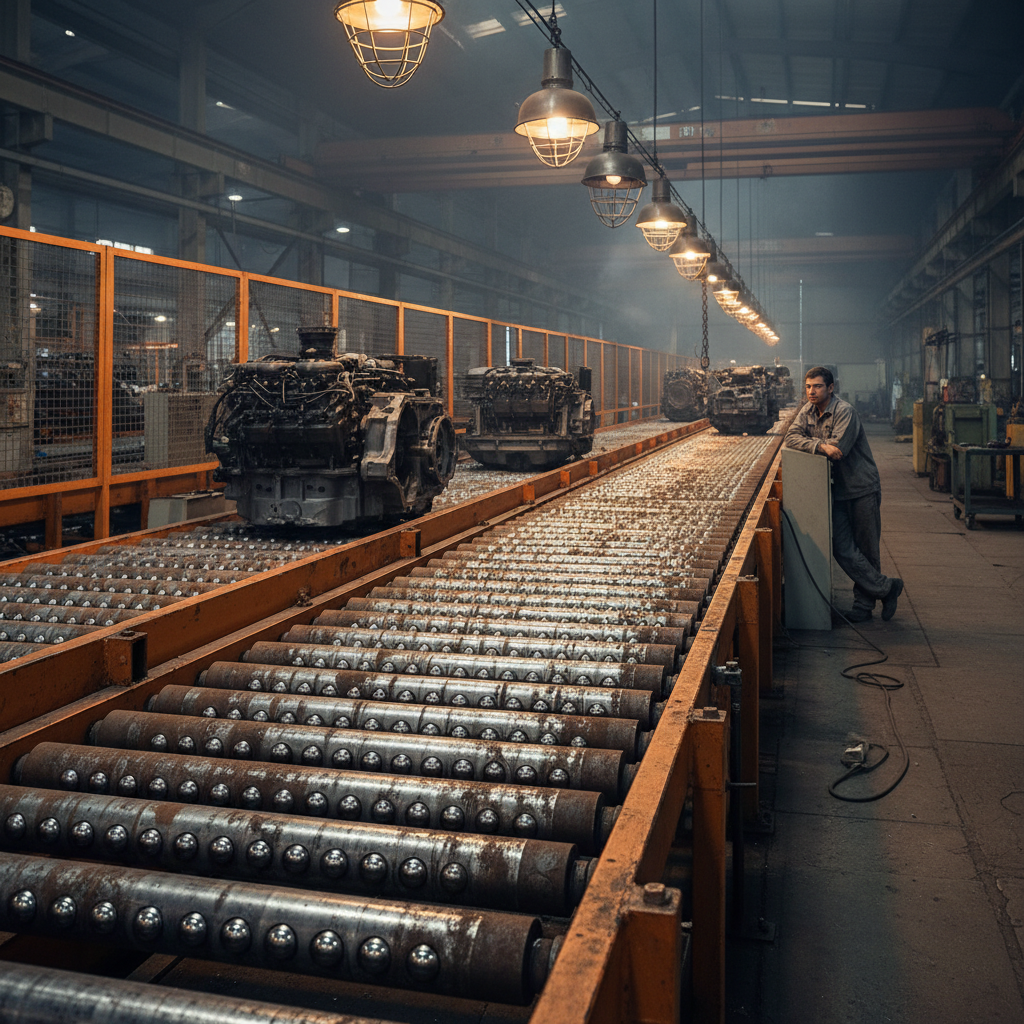
The versatility of ball bearing conveyor rollers makes them suitable for a diverse array of applications. They are commonly found in warehousing and distribution centers, facilitating the movement of goods throughout the facility. Manufacturing plants utilize them in assembly lines and packaging processes. Additionally, they’re integral to airport baggage handling systems, postal sorting facilities, and food processing lines. Their ability to handle a wide range of materials and loads makes them a valuable asset in many different industries.
Common Applications:
• Warehousing & Distribution
• Manufacturing Assembly Lines
• Airport Baggage Handling
• Food Processing
Types of Ball Bearing Conveyor Rollers – A Comparative Overview
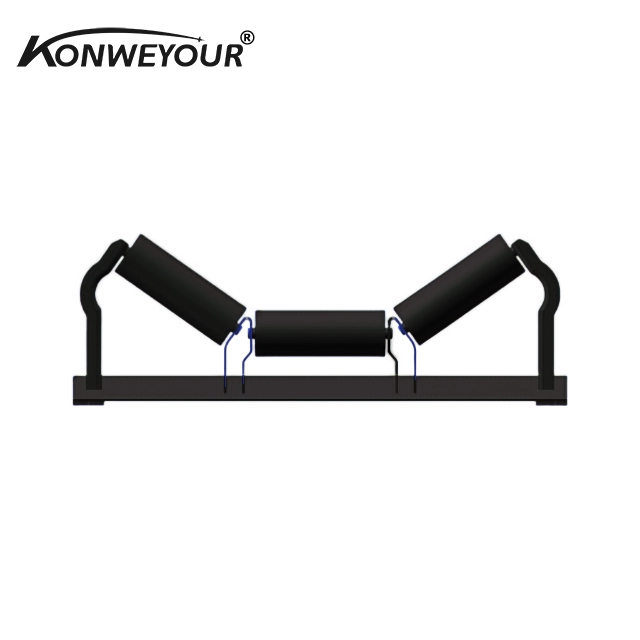
Not all ball bearing conveyor rollers are created equal. Several types cater to specific needs. Polypropylene rollers are lightweight and ideal for light-duty applications. Steel rollers offer greater strength and durability for heavier loads. Stainless steel rollers are resistant to corrosion, making them suitable for harsh environments like food processing. PVC rollers provide a good balance of durability and cost-effectiveness. Understanding the differences is key to choosing the right roller for your application.
| Roller Type |
Material |
Load Capacity |
Typical Applications |
| Polypropylene |
Polypropylene Plastic |
Light Duty (up to 50lbs) |
Light Packaging, Small Parts |
| Steel |
Carbon Steel |
Medium to Heavy Duty (up to 200lbs) |
General Manufacturing, Pallet Conveying |
| Stainless Steel |
304 Stainless Steel |
Medium to Heavy Duty (up to 250lbs) |
Food Processing, Pharmaceutical |
| PVC |
PVC Plastic |
Light to Medium Duty (up to 100lbs) |
General Purpose, Moderate Loads |
Selecting the Right Ball Bearing Conveyor Roller
Choosing the correct roller requires careful consideration of several factors. First, determine the load capacity required for your application. Second, assess the environmental conditions. If the rollers will be exposed to moisture or chemicals, stainless steel is the best option. Third, consider the type of material being conveyed. For abrasive materials, a more durable roller material is necessary. Finally, factor in the length of the conveyor system and the desired speed. JT Conveyor’s experienced team can provide guidance to help you make the best choice.
Maintaining Your Ball Bearing Conveyor Rollers
Regular maintenance is essential for ensuring the longevity and optimal performance of your ball bearing conveyor rollers. This includes periodic inspection for wear and tear, lubrication of the bearings, and cleaning to remove debris. Promptly replacing worn or damaged rollers prevents more significant issues and minimizes downtime. JT Conveyor offers replacement rollers and maintenance services to keep your system running smoothly.
Conclusion
Investing in high-quality ball bearing conveyor rollers from a trusted supplier like JT Conveyor is a smart decision for any business seeking to optimize its material handling processes. By understanding the different types of rollers, their applications, and proper maintenance procedures, you can ensure a reliable and efficient conveyor system for years to come.
Frequently Asked Questions (FAQs)
What is the typical lifespan of ball bearing conveyor rollers?
The lifespan varies depending on load, speed, and maintenance. Generally, with proper lubrication and regular inspection, ball bearing conveyor rollers can last between 5 to 10 years. However, factors like abrasive materials, extreme temperatures, or heavy loads can shorten their lifespan. Regular maintenance checks are crucial to identify and address potential issues before they lead to failure. Replacing rollers proactively prevents costly downtime and ensures continued operational efficiency.
How often should I lubricate ball bearing conveyor rollers?
The frequency of lubrication depends on the operating conditions and the type of lubricant used. As a general guideline, lubricate the bearings every 3-6 months, or more frequently in harsh environments. Always use a lubricant specifically designed for conveyor roller bearings. Over-lubrication can attract dirt and debris, while under-lubrication can lead to premature wear. Consult the roller manufacturer's recommendations for specific lubrication instructions.
What should I look for during a roller inspection?
During inspection, check for any signs of wear or damage, including cracks, dents, or corrosion. Listen for unusual noises, such as squeaking or grinding, which could indicate bearing failure. Ensure the rollers rotate smoothly and freely. Also, inspect the seals for any leaks. If you notice any of these issues, replace the roller immediately to prevent further damage and potential safety hazards.
Can ball bearing conveyor rollers be used with different belt types?
Yes, ball bearing conveyor rollers are compatible with a wide range of belt types, including flat belts, modular belts, and cleated belts. However, it's essential to choose rollers with the appropriate diameter and surface finish for the specific belt type. For example, using rollers that are too small can cause the belt to sag, while rollers with a rough surface finish can damage the belt.