Introduction to Conveyor Systems: Data-Driven Impact on Modern Operations
In the relentless pursuit of operational excellence, the modern industrial landscape is defined by efficiency, speed, and precision. At the heart of this intricate ecosystem lies the conveyor system, an indispensable technology that underpins the seamless flow of materials across myriad sectors. Far more than mere transportation mechanisms, today's advanced conveyor systems are sophisticated engines of productivity, meticulously engineered to optimize logistics, manufacturing, and distribution processes. Their strategic implementation yields tangible, quantifiable benefits that directly impact bottom lines and competitive advantage. Consider, for instance, a recent industry report highlighting that businesses leveraging optimized conveyor infrastructure experience an average 25-30% reduction in internal material handling costs. This dramatic decrease is not solely due to labor savings but also encompasses minimized product damage, reduced energy consumption through efficient routing, and decreased operational bottlenecks. Furthermore, the integration of smart conveyor systems has been shown to boost overall throughput capacity by upwards of 20%, translating directly into increased production volumes or faster order fulfillment rates. In high-volume distribution centers, automated sorting conveyor systems can process over 10,000 items per hour, a feat unachievable through manual labor and instrumental in meeting the demands of modern e-commerce. These compelling statistics underscore that investing in a robust and intelligent conveyor system is not merely an expenditure but a strategic imperative, yielding substantial returns in a landscape where every second and every dollar counts towards operational superiority.
Unpacking the Technical Advantages of Advanced Material Handling
The contemporary conveyor system stands as a testament to engineering ingenuity, offering a suite of technical advantages that extend far beyond simple material movement. One of the foremost benefits is the unparalleled level of automation and efficiency they introduce. By minimizing the need for manual intervention, these systems ensure a continuous, predictable flow of goods, significantly reducing labor costs and freeing human resources for more complex, value-added tasks. This automation also mitigates human error, leading to more consistent product quality and reduced waste. Secondly, modern conveyors excel in precision and control. Equipped with advanced sensors, programmable logic controllers (PLCs), and sophisticated software, they can accurately sort, route, track, and position items with exceptional accuracy. This is crucial in industries where precise sequencing and handling are paramount, preventing damage to delicate products and ensuring components arrive at their exact destination at the optimal moment. Thirdly, advanced conveyor solutions significantly enhance workplace safety. By automating the transport of heavy, bulky, or hazardous materials, they remove personnel from potentially dangerous situations, drastically reducing the risk of injuries associated with manual lifting, carrying, or operating forklifts. Furthermore, features like emergency stops, guard rails, and controlled speeds contribute to a safer working environment. Fourthly, scalability and flexibility are inherent in contemporary designs. Many systems are modular, allowing businesses to easily expand, reconfigure, or adapt their conveyor lines to accommodate changing production demands, facility layouts, or product specifications without requiring a complete overhaul. Finally, the focus on energy efficiency and durability in modern designs is remarkable. Incorporating energy-efficient motors, regenerative braking systems, and intelligent controls that power down sections when not in use, these systems significantly lower operational energy consumption. Constructed from robust materials and designed for longevity, they offer exceptional reliability, minimizing downtime and ensuring a sustained return on investment over many years of rigorous operation.
Navigating the Landscape: Types and Strategic Selection of Conveyor Solutions
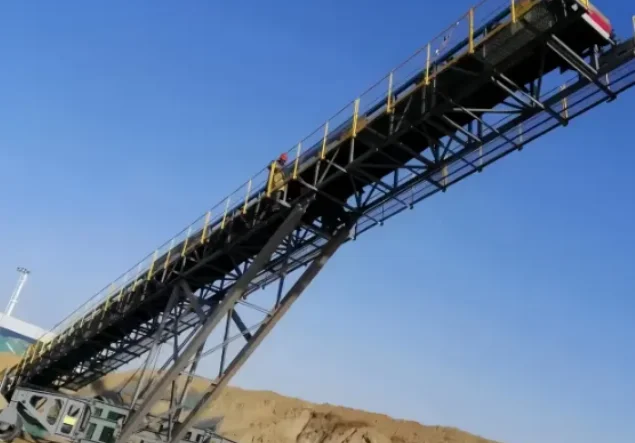
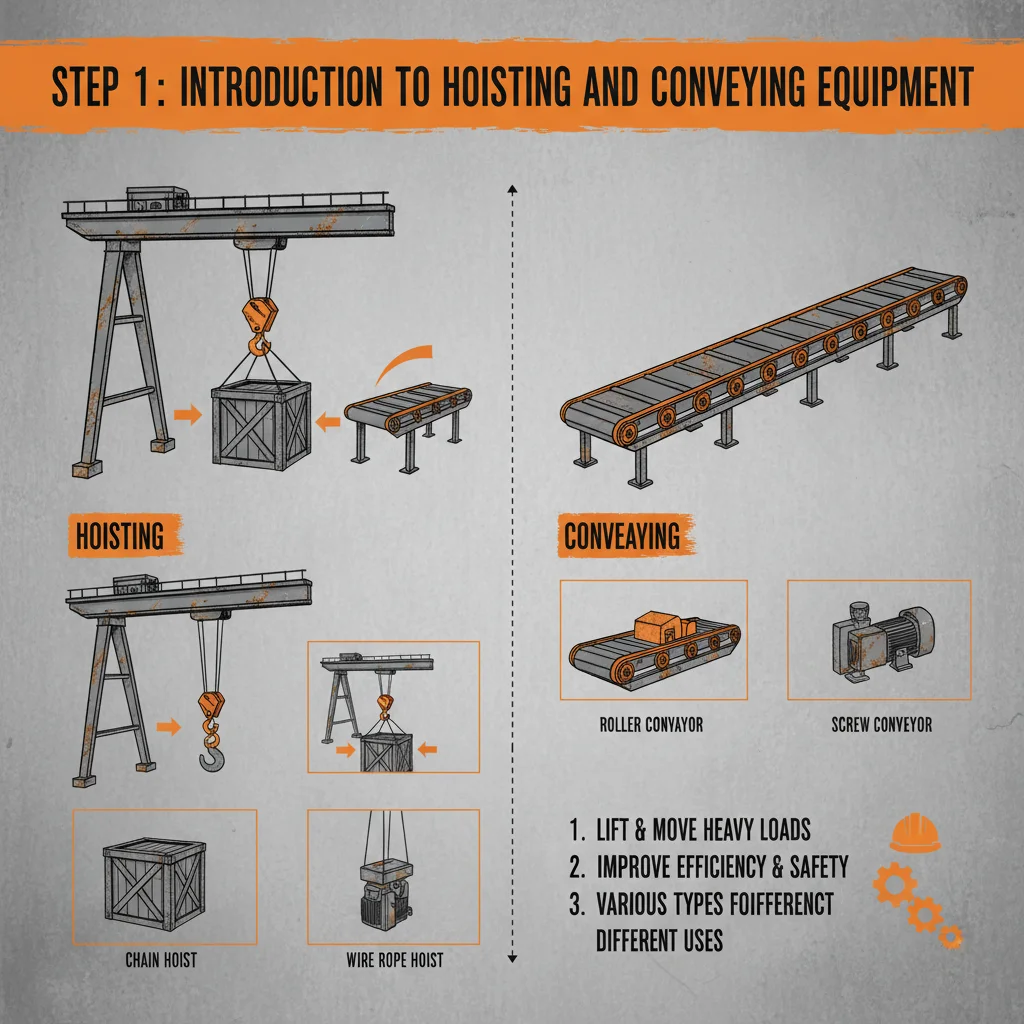
The vast array of conveyor systems available today necessitates a careful and strategic approach to selection, ensuring the chosen solution aligns perfectly with specific operational requirements. Understanding the fundamental types is the first step. Belt conveyors, for instance, are ubiquitous, known for their versatility in transporting a wide range of products over various distances, especially effective for bulk materials or irregularly shaped items. Roller conveyors, both gravity-fed and powered, are ideal for moving items with flat bottoms, offering controlled movement and accumulation capabilities, often found in packaging and assembly lines. Chain conveyors, robust and durable, excel in handling heavy, abrasive, or hot materials and are frequently used in automotive assembly or manufacturing environments. For specific challenges, modular plastic belt conveyors provide excellent flexibility for curves and inclines, are easy to clean, and resistant to chemicals, making them popular in food processing. Overhead conveyors save valuable floor space, moving products through painting, assembly, or storage processes from above. Vertical conveyors efficiently lift or lower goods between different floor levels. Beyond these, specialized systems like pneumatic conveyors for powders and granules, or flexible conveyors for temporary setups, address niche requirements.
Strategic selection hinges on several critical factors. Firstly, the characteristics of the material to be conveyed—its weight, size, shape, fragility, temperature, and abrasiveness—will dictate the conveyor type, belt material, and structural strength. Secondly, desired throughput and speed are paramount; high-volume operations demand systems capable of continuous, rapid movement. Thirdly, the operating environment plays a significant role; considerations include temperature extremes, humidity, cleanliness requirements (e.g., food-grade or pharmaceutical), and potential exposure to harsh chemicals or dust. Fourthly, space constraints and facility layout will influence decisions regarding straight sections, curves, inclines, declines, and the overall footprint. Fifthly, integration with existing machinery, such as robotics, sorting equipment, or packaging lines, is crucial for a cohesive automated workflow. Finally, the initial investment and long-term maintenance costs must be weighed against the anticipated operational efficiencies and return on investment. A thorough analysis of these elements ensures the deployment of a conveyor system that is not only effective but also highly optimized for long-term performance and profitability.
Comparative Analysis: Leading Conveyor System Manufacturers
When seeking a cutting-edge conveyor solution, partnering with the right manufacturer is paramount. The market is populated by numerous reputable companies, each with unique strengths and specializations. A thorough comparison requires evaluating key metrics that reflect not just product quality, but also innovation, support, and long-term value. Below is a comparative table highlighting generalized aspects of three hypothetical leading manufacturers, demonstrating the critical factors one might consider during the selection process:
Feature/Criterion | AccuFlow Solutions | Dynamic Conveyors Inc. | ProLine Automation |
R&D Investment & Innovation Focus | High, specialized in AI-driven sorting and predictive maintenance. | Moderate, strong emphasis on robust, heavy-duty industrial designs. | High, leading in modularity, sustainable materials, and rapid deployment. |
Customization Flexibility | Exceptional for complex, integrated systems with software control. | Good for standard modifications and industry-specific adaptations. | Very high, extensive range of configurable modules and accessories. |
After-Sales Support & Service Network | Global 24/7 remote monitoring and rapid on-site technical support. | Strong regional support, good parts availability. | Comprehensive global network, specialized training programs. |
Typical System Capacity Range | Light to Medium (e.g., 50g to 50kg per item), high throughput. | Medium to Heavy (e.g., 5kg to 500kg per item), high durability. | Light to Heavy (e.g., 100g to 250kg per item), high versatility. |
Energy Efficiency Ratings (Average % Savings) | Up to 35% through smart controls and optimized motor usage. | Up to 20% with efficient motor drives. | Up to 40% with advanced regenerative braking and idle management. |
Warranty Period (Standard) | 2 years on components, 5 years on structural integrity. | 1 year on components, 3 years on structural integrity. | 3 years on components, lifetime on select structural elements. |
This comparison underscores that while all these manufacturers provide quality solutions, their core competencies and offerings diverge. AccuFlow Solutions might be the choice for companies prioritizing cutting-edge AI integration and predictive analytics in lighter applications. Dynamic Conveyors Inc. could be preferred for robust, heavy-duty applications where sheer strength and reliability are paramount. ProLine Automation, with its focus on modularity and sustainability, would appeal to businesses requiring high adaptability and an eco-conscious approach. Beyond these general attributes, detailed discussions about specific project requirements, budgets, and long-term strategic goals are essential to make an informed decision and select a partner that can truly elevate an organization’s material handling capabilities.
Tailored Precision: Crafting Bespoke Conveyor System Solutions
The notion of a one-size-fits-all conveyor system is largely a relic of the past. Today's industrial demands necessitate highly customized solutions, precisely engineered to meet the unique challenges and opportunities of diverse operational environments. Customization is not merely about adapting length or width; it involves a holistic approach to design, integration, and functionality. One primary aspect of customization lies in material-specific handling. Depending on whether a system needs to convey delicate electronics, abrasive minerals, volatile chemicals, or sterile pharmaceuticals, the choice of belt material, rollers, chain type, and even the structural components will vary dramatically. This extends to specialized attachments such as cleats for incline transport, side guides for product stability, or specialized coatings for non-stick surfaces or static dissipation. Another critical area is the integration of advanced sensors and control systems. Beyond basic start/stop functionality, modern customized systems incorporate vision systems for quality control, RFID or barcode readers for item tracking and intelligent routing, and precise weigh scales for accurate batching. These data points feed into sophisticated Programmable Logic Controllers (PLCs) and Supervisory Control and Data Acquisition (SCADA) systems, allowing for real-time monitoring, dynamic adjustments, and seamless communication with Enterprise Resource Planning (ERP) or Manufacturing Execution Systems (MES). Furthermore, environmental adaptations are crucial. This can range from stainless steel construction for hygienic food and beverage processing or pharmaceutical cleanrooms, to heavy-duty, corrosion-resistant components for outdoor mining operations, or temperature-controlled zones for sensitive products. Ergonomic considerations also play a vital role, with adjustable heights, accessible maintenance points, and operator-friendly interfaces designed to enhance safety and efficiency for human interaction. Finally, the customization extends to software and analytics platforms that are specifically developed or configured to provide actionable insights, predictive maintenance alerts, and performance optimization recommendations, ensuring the system operates at peak efficiency throughout its lifecycle. This deep level of tailoring ensures that each conveyor system is not just a piece of equipment but a precisely calibrated tool that enhances productivity, safety, and overall operational effectiveness.
Real-World Impact: Diverse Applications and Case Studies
The versatility and adaptability of advanced conveyor systems are best illustrated through their pervasive integration across a multitude of industries, each presenting unique challenges that these systems expertly resolve. Let's explore several illustrative, albeit generalized, case studies:
1. Automotive Manufacturing: Streamlining Assembly Lines
A major automotive plant faced bottlenecks in its engine assembly line, where components were manually moved between workstations, leading to inconsistent cycle times and potential for damage. By implementing a sophisticated overhead chain conveyor system with integrated robotic pick-and-place units, engine blocks and heavy components were automatically delivered to the precise ergonomic height at each station. This customization resulted in a 15% reduction in assembly time per engine, a significant decrease in worker fatigue and injuries, and a 30% improvement in throughput consistency, directly contributing to higher overall production rates and better quality control.
2. Food & Beverage: Ensuring Hygiene and Speed
A large snack food producer needed to rapidly transport fragile, cooked items from ovens to packaging, while maintaining strict hygiene standards and minimizing breakage. A custom-designed modular plastic belt conveyor, featuring food-grade materials, easy-to-clean surfaces, and gentle accumulation zones, was installed. The system's precise speed control and sensor-based routing capabilities ensured items were handled delicately, preventing damage. This led to a 98% reduction in product breakage during transfer and an increase in packaging line speed by 20%, while effortlessly meeting stringent FDA hygiene requirements.
3. E-commerce and Logistics: High-Speed Sorting and Fulfillment
A rapidly expanding e-commerce fulfillment center struggled with manual sorting of thousands of diverse packages daily, leading to delays and mis-sorts. A high-speed cross-belt sorting conveyor system, integrated with barcode readers and intelligent routing software, was deployed. This system automatically identified, weighed, and directed packages to the correct shipping lanes at speeds exceeding 15,000 items per hour. The outcome was a dramatic 50% reduction in order processing time, a near-perfect sorting accuracy rate of 99.9%, and the capacity to handle peak season volumes without additional manual labor, significantly boosting customer satisfaction and operational capacity.
4. Mining & Heavy Industry: Extreme Durability for Bulk Materials
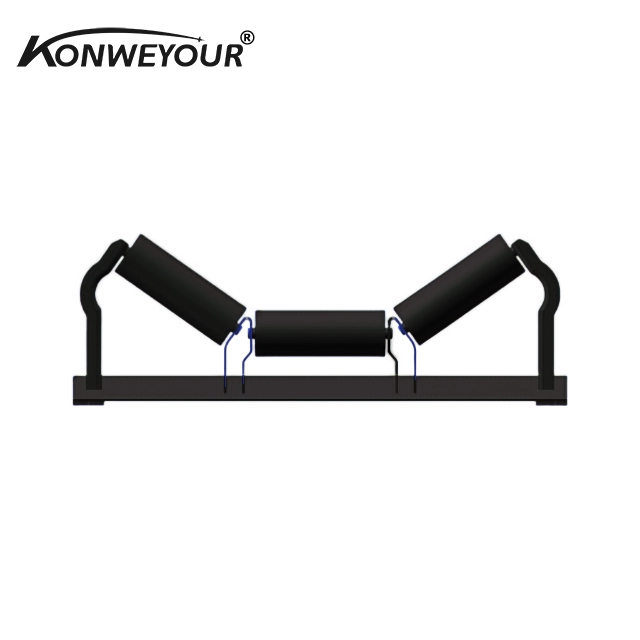
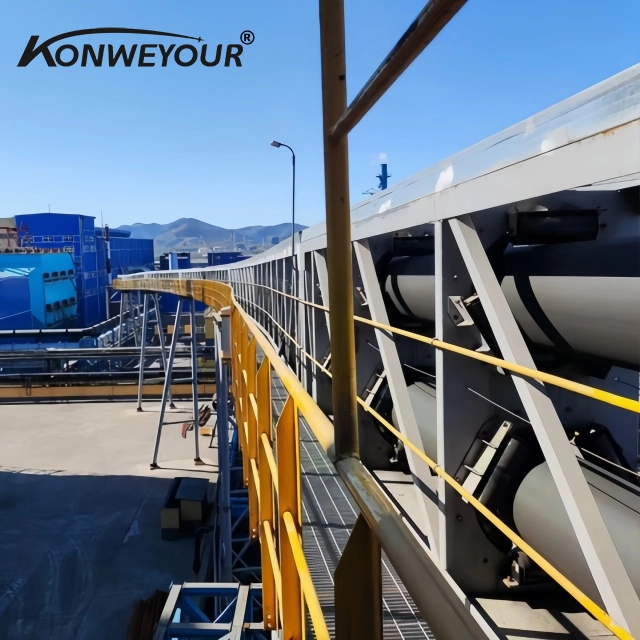
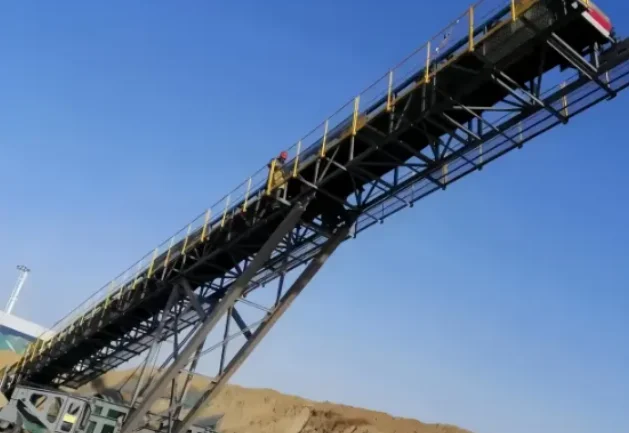
A large-scale mining operation required an efficient and robust solution for transporting crushed ore from the processing plant to storage silos across challenging terrain. A heavy-duty troughed belt conveyor, designed with reinforced steel structures, abrasion-resistant belting, and sealed idlers, was engineered to withstand harsh environmental conditions and carry immense loads continuously. This solution not only reduced reliance on expensive truck fleets but also achieved a 25% reduction in energy consumption per ton of ore moved and enhanced worker safety by minimizing human exposure to hazardous areas. The system operated reliably 24/7, even in extreme temperatures, demonstrating unparalleled endurance.
These diverse applications underscore the transformative power of a well-designed and appropriately implemented conveyor system, proving its critical role in enhancing efficiency, safety, and profitability across the global industrial spectrum.
The Future Trajectory of Conveyor Systems and Concluding Insights
The evolution of the conveyor system is far from complete; it stands at the precipice of another transformative era, driven by advancements in digital technology, robotics, and sustainability. The future landscape will see conveyor systems becoming even more intelligent, interconnected, and adaptive. A significant trend is the deeper integration with Industry 4.0 paradigms and the Internet of Things (IoT). This means systems equipped with an array of sensors providing real-time data on performance, wear, and potential faults, feeding into cloud-based analytics platforms. Predictive maintenance, powered by artificial intelligence and machine learning algorithms, will become standard, anticipating failures before they occur and minimizing costly downtime. This shift could reduce unscheduled maintenance by up to 40%, further enhancing operational efficiency.
Furthermore, robotics and collaborative automation will seamlessly intertwine with conveyor lines. Collaborative robots (cobots) will work alongside human operators, performing tasks like picking, packing, and loading directly onto conveyors, creating highly flexible and adaptable workstations. The emphasis on sustainability will also intensify. Future conveyor systems will not only be more energy-efficient through advanced motor technologies and regenerative drives but will also increasingly incorporate recycled and eco-friendly materials in their construction. Designs will prioritize modularity for easier repair, upgrades, and end-of-life recycling, reducing environmental impact throughout their lifecycle. Enhanced flexibility and reconfigurability will also be paramount. As market demands rapidly shift, businesses will require conveyor solutions that can be quickly re-arranged or scaled to accommodate new products, layouts, or production volumes, without extensive engineering efforts or capital expenditure. Finally, the fusion of data analytics and AI will empower conveyor systems with dynamic route optimization, intelligent load balancing, and autonomous decision-making capabilities, preventing bottlenecks and maximizing throughput in real-time.
In conclusion, the conveyor system remains an indispensable backbone of modern industry. From its humble beginnings to its current status as a sophisticated, digitally-enabled asset, its core mission of efficient material transport has only become more critical. As we look ahead, these systems will continue to evolve, offering even greater levels of automation, precision, and intelligence. For any enterprise striving for peak operational performance, investing in advanced, future-proof conveyor solutions is not merely an option but a strategic necessity, ensuring they remain agile, competitive, and highly productive in an ever-changing global market.
Frequently Asked Questions (FAQs) about Conveyor Systems
Q1: What is a conveyor system and why is it essential in modern industry?
A1: A conveyor system is a mechanical handling apparatus that moves materials from one location to another. It's essential in modern industry because it automates material flow, significantly increasing efficiency, reducing labor costs, enhancing safety, and improving throughput in manufacturing, logistics, and distribution processes.
Q2: What are the main types of conveyor systems available?
A2: Common types include belt conveyors (for various items, bulk), roller conveyors (gravity or powered, for flat-bottomed items), chain conveyors (for heavy, abrasive items), modular plastic belt conveyors (versatile, hygienic), and overhead conveyors (space-saving, for assembly lines).
Q3: How do conveyor systems improve operational efficiency and reduce costs?
A3: They improve efficiency by providing continuous material flow, reducing manual labor, speeding up processing times, and ensuring consistent product delivery. Cost reductions come from lower labor expenses, minimized product damage, reduced energy consumption through optimized routes, and increased production capacity.
Q4: What key factors should be considered when selecting a conveyor system for a specific application?
A4: Key factors include the characteristics of the material to be conveyed (weight, size, fragility), desired throughput and speed, environmental conditions (temperature, hygiene), available space, integration needs with existing machinery, and budget for both installation and long-term maintenance.
Q5: Can conveyor systems be integrated with other automation technologies?
A5: Absolutely. Modern conveyor systems are designed for seamless integration with a wide range of automation technologies, including robotics, Automated Guided Vehicles (AGVs), vision systems, RFID readers, PLCs, and manufacturing execution systems (MES) for comprehensive process automation and data exchange.
Q6: What are the benefits of choosing a modular conveyor system design?
A6: Modular designs offer significant benefits such as increased flexibility for layout changes, easier expansion or reconfiguration to adapt to evolving needs, simplified maintenance with interchangeable parts, and often quicker installation times. They allow businesses to future-proof their material handling operations.
Q7: What are the emerging trends for the future of conveyor system technology?
A7: Future trends include deeper integration with Industry 4.0 and IoT for predictive maintenance and real-time monitoring, enhanced AI and machine learning for dynamic optimization, increased use of robotics for collaborative tasks, greater emphasis on energy efficiency and sustainable materials, and highly flexible, reconfigurable designs.