Comprehensive Guide to Bulk Material Handling Conveyor Systems
1. Overview of Bulk Material Handling Conveyor Systems
Efficient material transport is a critical aspect of modern industrial operations. Bulk material handling conveyor systems are designed to move large quantities of materials such as cement, aggregates, ores, and other bulk products efficiently and safely. From mining to construction and manufacturing, these systems improve productivity, reduce labor costs, and enhance workplace safety.
In cement production, conveyor belt cement systems are indispensable for moving raw materials, clinker, and finished cement products throughout the plant. These conveyor belts are engineered for heavy loads, abrasion resistance, and continuous operation, ensuring that production lines remain uninterrupted. Similarly, pan conveyor cement is used to transport loose or granular cement efficiently, often in confined spaces where other conveyors may not be suitable.
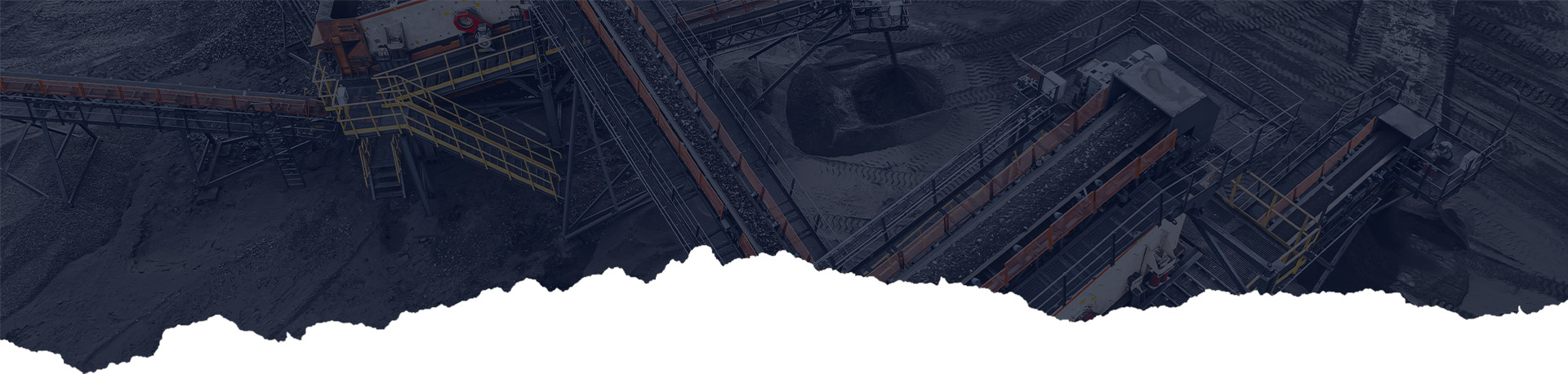
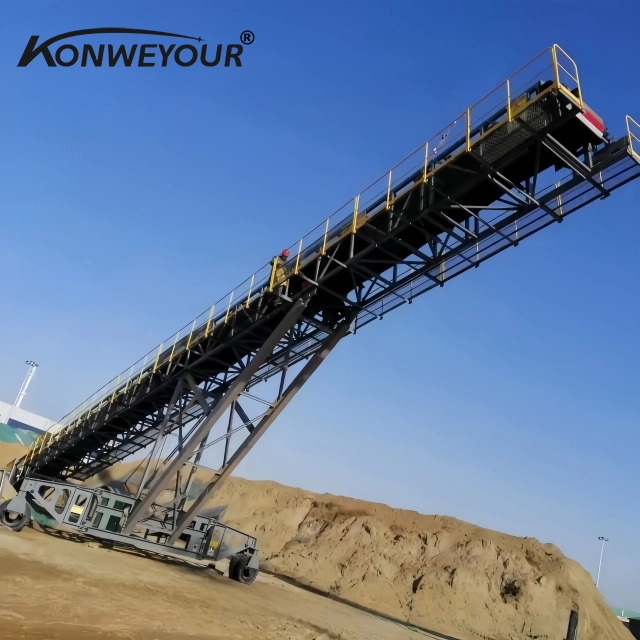
Quarry operations also rely heavily on conveyor belt quarry and quarry conveyor systems. These systems move rocks, sand, gravel, and other aggregate materials from extraction points to processing areas, storage, or loading zones. By automating material movement, quarries can reduce manual handling, increase safety, and maintain a steady flow of materials to meet project demands.
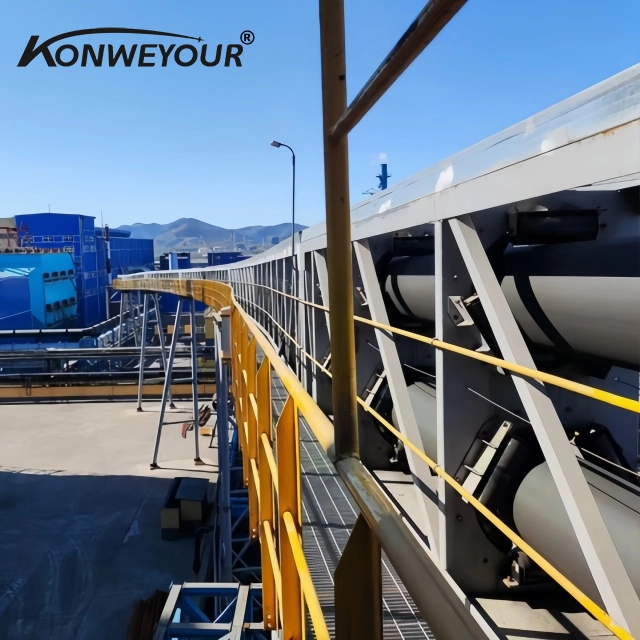
Specialized conveyors such as pipe conveyor and pipe handling conveyor systems are de
signed for transporting materials over long distances, around bends, or through challenging terrain. The enclosed pipe design prevents spillage, dust generation, and environmental contamination, making them ideal for cement, coal, and chemical industries. These systems are particularly useful in bulk material handling scenarios where maintaining material integrity and reducing losses are critical.
Cross belt conveyors and infeed belt conveyors are other common types used in bulk material handling. Cross belt conveyors allow materials to be diverted or sorted efficiently at specific points, often used in mining or packaging facilities. Infeed belt conveyors feed raw materials into crushers, grinders, or processing equipment, ensuring a continuous supply for production lines.
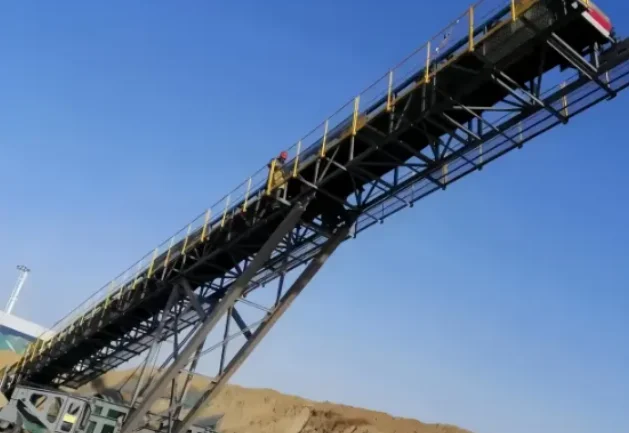
By integrating various types of conveyors, industrial operators can create a cohesive, efficient bulk material handling conveyor system that meets production requirements, reduces operational downtime, and optimizes overall efficiency.
2. Advantages and Applications of Conveyor Systems in Bulk Material Handling
The benefits of implementing bulk material handling conveyor systems are numerous.
Efficiency and Productivity – Conveyor systems like conveyor belt cement, pan conveyor cement, and quarry conveyor ensure continuous material flow, minimizing interruptions in production. This allows industries to meet high-demand outputs while reducing manual labor.
Safety – Automated conveyors reduce the need for workers to manually transport heavy or hazardous materials. Pipe conveyor systems, for instance, enclose bulk materials, minimizing dust, spillage, and potential contact with harmful substances, improving overall workplace safety.
Versatility – Different conveyor types serve specific applications. Conveyor belt quarry systems handle abrasive aggregates, infeed belt conveyors feed processing machines, and cross belt conveyors provide precise material diversion and sorting. This versatility allows industries to customize systems according to their operational needs.
Durability and Reliability – High-quality conveyor systems are built to withstand heavy loads, abrasive materials, and continuous operation. Whether using conveyor belt cement or pipe handling conveyor systems, these machines provide long-term reliability with minimal maintenance. Proper installation and periodic servicing ensure the longevity and consistent performance of the system.
Environmental Considerations – Enclosed systems like pipe conveyor reduce dust emissions, spillage, and environmental impact. This is crucial in cement, coal, and chemical industries where air quality and material containment are concerns.
Cost Savings – Although the initial investment for a comprehensive conveyor system may be significant, the reduction in labor costs, improved efficiency, and decreased material losses offer long-term savings. Bulk material handling conveyor systems streamline production processes, maximizing ROI over the lifespan of the equipment.
Applications Across Industries – Conveyor systems are widely used in cement plants, quarries, mining operations, chemical production, and manufacturing facilities. Pan conveyor cement ensures smooth transport of loose materials, while quarry conveyors handle large, irregularly shaped rocks. Cross belt conveyors optimize material sorting, and infeed belt conveyors maintain consistent machine feeding.
By implementing a well-designed system, companies can enhance operational efficiency, reduce downtime, and improve workplace safety while maintaining high throughput and material quality.
Conclusion: Investing in Bulk Material Handling Conveyor Systems
Bulk material handling conveyor systems are essential for industries that deal with heavy or granular materials. Whether it is conveyor belt cement for cement plants, conveyor belt quarry for aggregates, pipe conveyor for long-distance transport, or infeed belt conveyors for feeding processing equipment, these systems ensure continuous, efficient, and safe material handling.
Specialized systems such as pipe handling conveyor systems, pan conveyor cement, and cross belt conveyors offer additional flexibility for challenging operations, including transport around bends, precise sorting, or containment of dust and spillage. Investing in durable, high-quality conveyor systems provides long-term efficiency, safety, and cost savings.
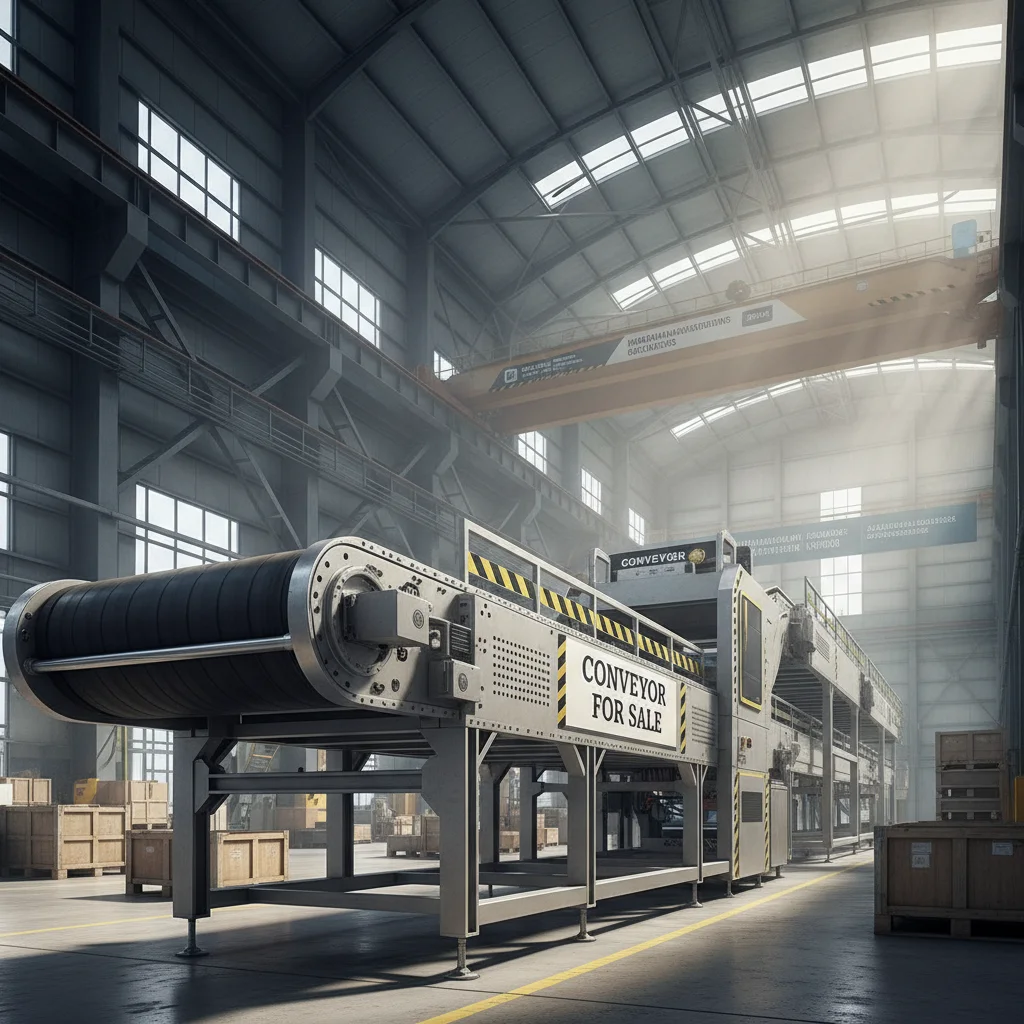
For businesses looking to improve productivity and operational safety, sourcing reliable bulk material handling conveyor systems for sale ensures that materials are transported effectively, processes are optimized, and overall production goals are met. These systems are a cornerstone of modern industrial operations, supporting sustainability, efficiency, and consistent performance.
FAQs About Bulk Material Handling Conveyor Systems
1. What are the main types of conveyor systems for bulk material handling?
Main types include conveyor belt cement, pan conveyor cement, quarry conveyor, pipe conveyor, cross belt conveyor, and infeed belt conveyor, each designed for specific industrial applications.
2. How do pipe conveyors benefit material handling?
Pipe conveyors and pipe handling conveyor systems reduce spillage, dust, and environmental impact while transporting materials over long distances and around curves.
3. Can conveyor belt systems be used in quarries and cement plants?
Yes, conveyor belt quarry systems efficiently transport aggregates, while conveyor belt cement systems move raw materials, clinker, and finished cement throughout the plant.
4. What is the function of infeed belt conveyors?
Infeed belt conveyors supply raw materials to crushers, grinders, or processing machines, ensuring a continuous production line and steady material flow.
5. Are cross belt conveyors suitable for sorting applications?
Yes, cross belt conveyors are ideal for diverting, sorting, or transferring materials at specific points in mining, quarrying, or manufacturing operations.