Understanding Conveyor Components Types
Conveyor systems are essential for efficient material handling in a wide range of industries, from manufacturing and logistics to food processing and mining. The effectiveness of a conveyor system hinges on the quality and correct application of its various conveyor components. This article will provide a comprehensive overview of the different types of conveyor components, their functions, and factors to consider when selecting the right parts for your specific application. Choosing the right components ensures optimal performance, longevity, and safety of your conveyor system.
Essential Conveyor Components
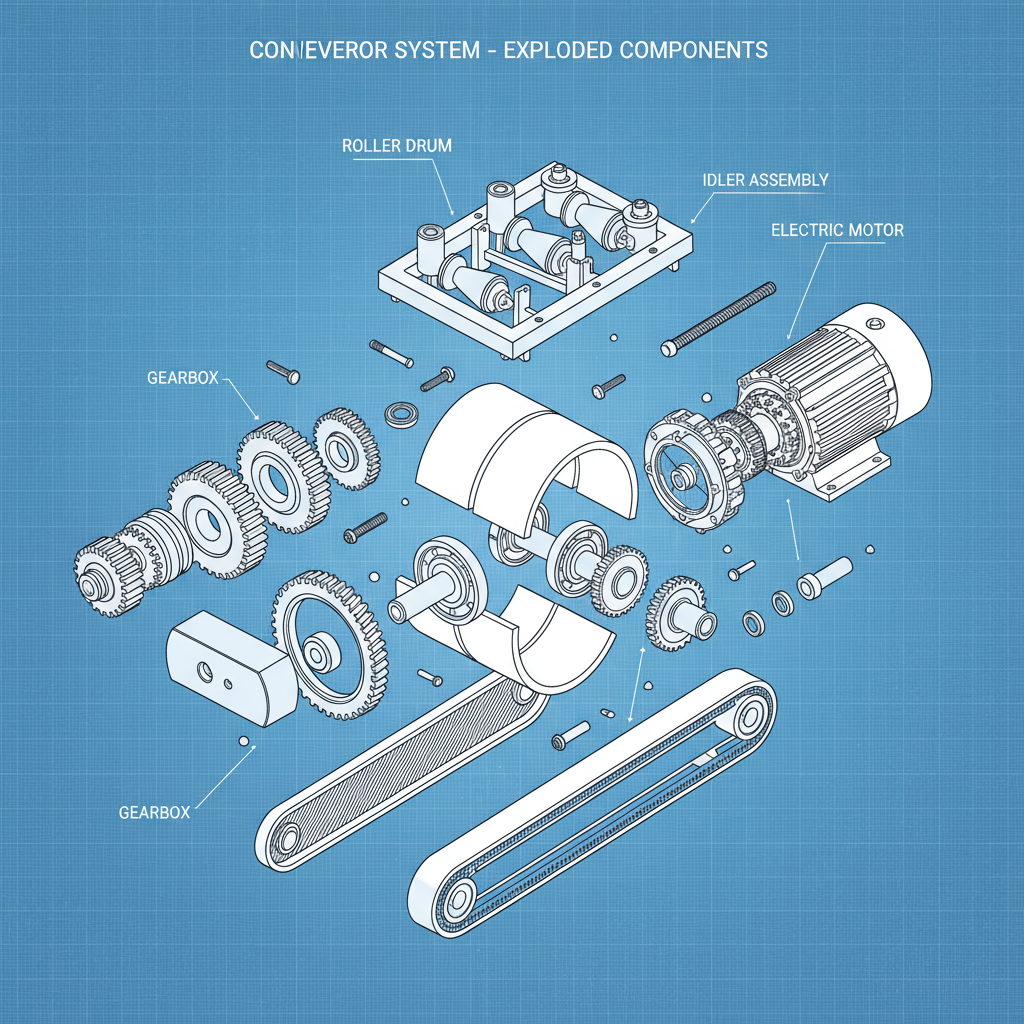
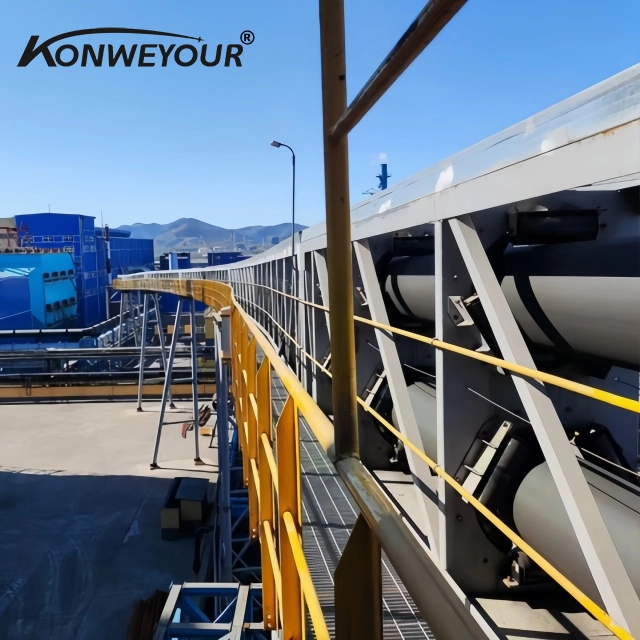
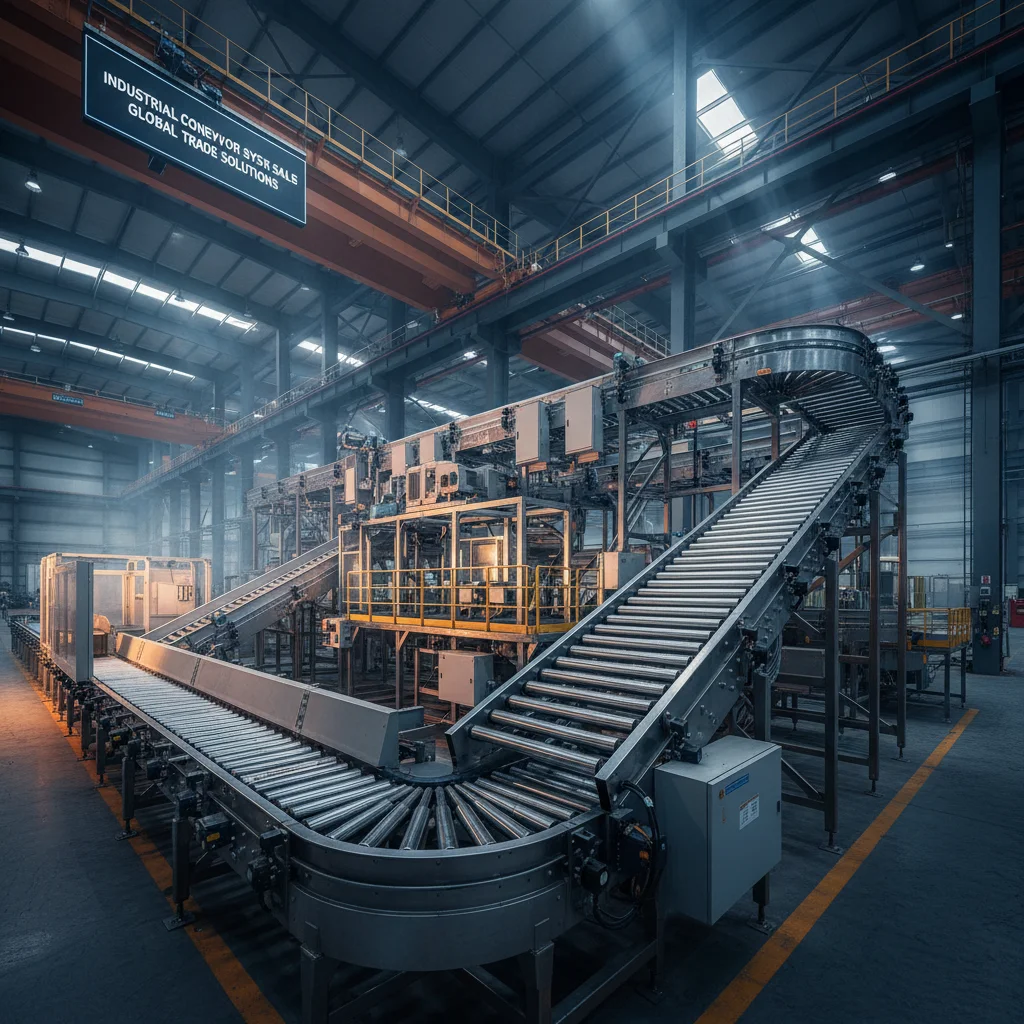
A typical conveyor system comprises several key components working in harmony. These include the conveyor belt (or rollers), the frame, drive components, idler rollers, and safety features. The belt or rollers are responsible for carrying the materials, while the frame provides structural support. Drive components, such as motors and gearboxes, provide the power to move the belt. Idler rollers support the belt and reduce friction, and safety features like guards and emergency stops ensure operator safety. Selecting high-quality conveyor components is crucial for system reliability and efficiency.
Conveyor Belt Types: A Detailed Look
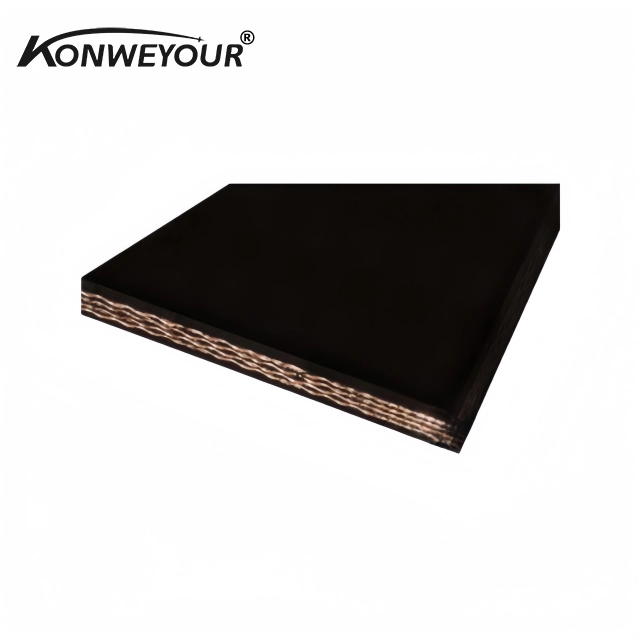
The conveyor belt is arguably the most important component, and choosing the right type is paramount. Different materials and constructions cater to specific applications. Common belt types include:
- Rubber Belts: Versatile and suitable for a wide range of materials, offering good grip and durability.
- PVC Belts: Lightweight and easy to clean, ideal for food processing and pharmaceutical industries.
- Modular Plastic Belts: Strong and resistant to wear, perfect for heavier loads and abrasive materials.
- Fabric Belts: Used for inclines and declines, providing good traction.
Selecting the right belt material requires consideration of the conveyed material's weight, abrasiveness, temperature, and potential chemical exposure.
Drive Components: Motors, Gearboxes & Couplings
The drive system is responsible for powering the conveyor belt. This typically consists of an electric motor, a gearbox, and a coupling. The motor provides the rotational power, which is then adjusted by the gearbox to achieve the desired belt speed and torque. Couplings connect the motor and gearbox, transferring power while accommodating misalignment. Selecting the right motor horsepower and gearbox ratio is crucial for efficient operation and preventing overload. JT Conveyor offers a wide range of drive components to suit various applications.
Idler Rollers & Pulleys: Supporting the Load
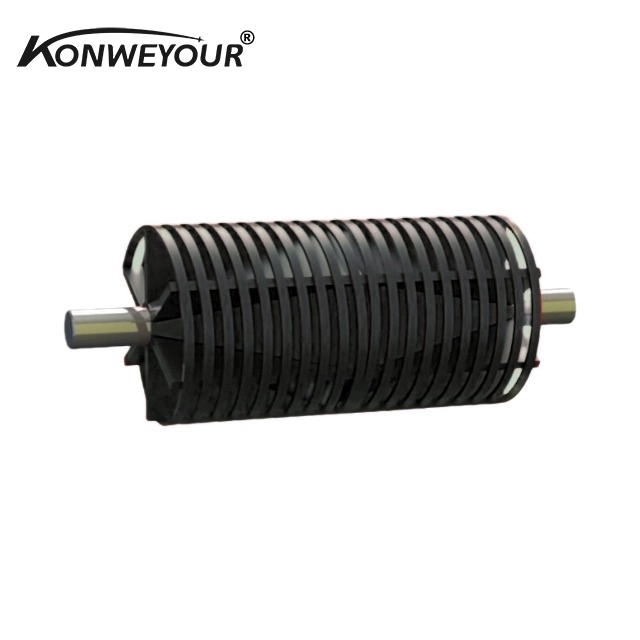
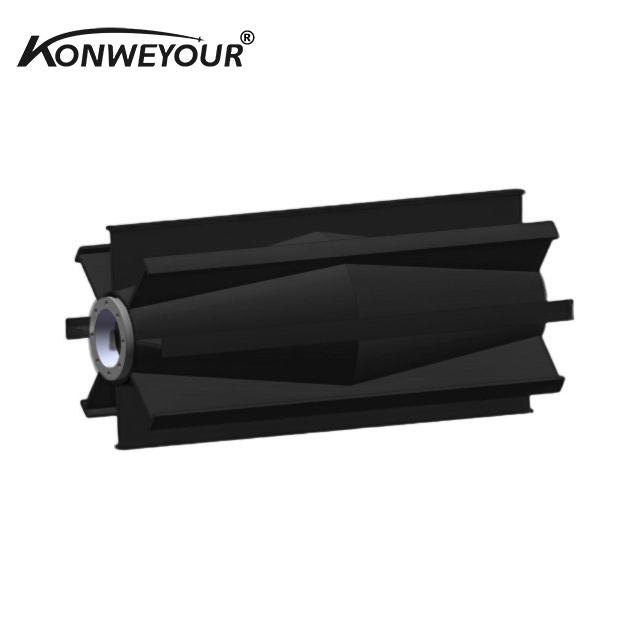
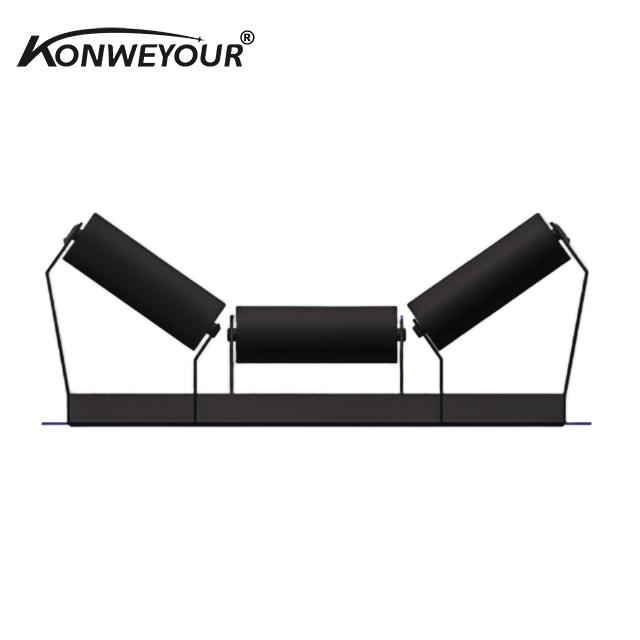
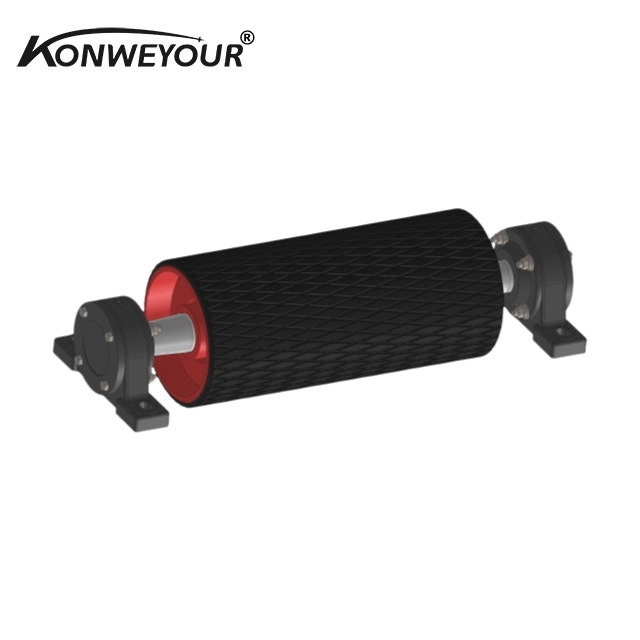
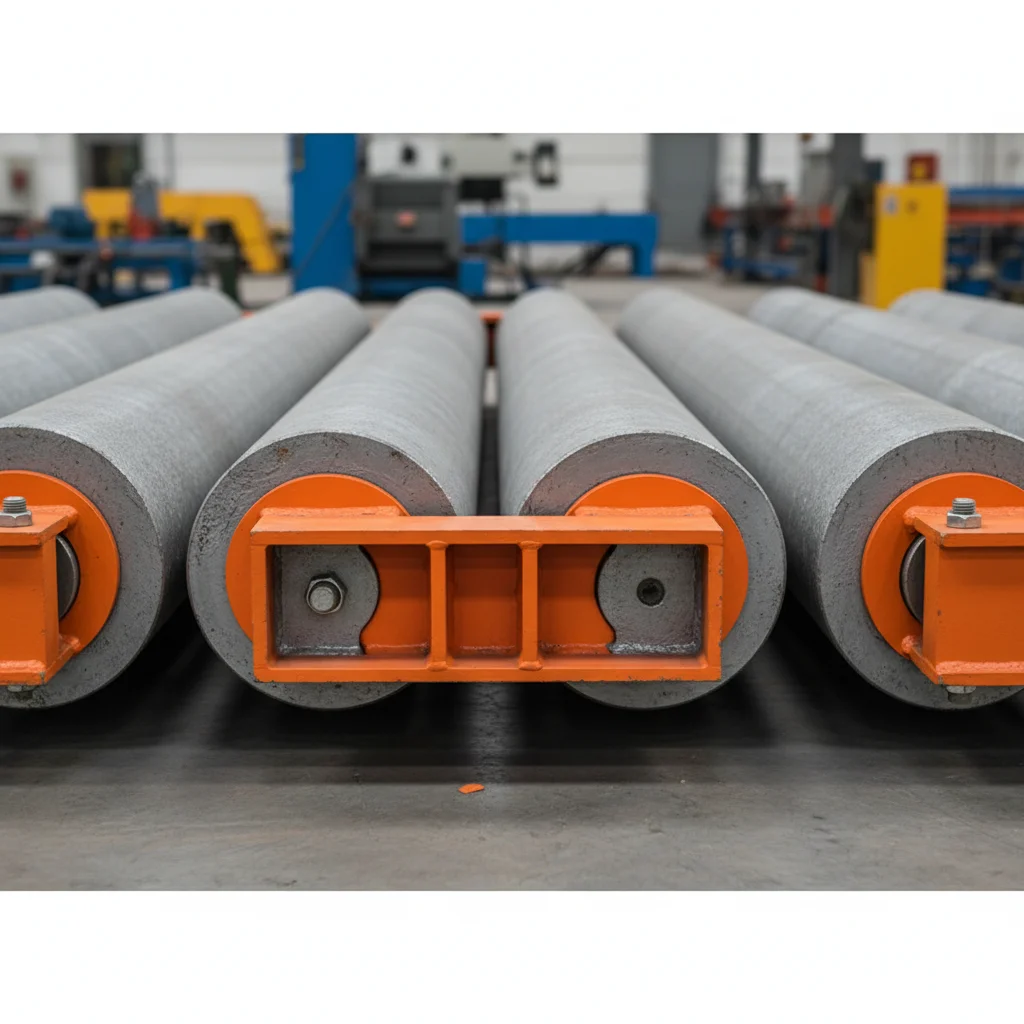
Idler rollers are crucial for supporting the conveyor belt and reducing friction as it moves. They are positioned along the length of the conveyor, preventing the belt from sagging and ensuring smooth operation. Pulleys, located at the ends of the conveyor, drive the belt and maintain tension. Different types of idler rollers and pulleys are available, including flat, crowned, and lagged options. Lagged pulleys are especially helpful for gripping materials on inclines. Regular inspection and replacement of worn idler rollers are essential for maintaining conveyor efficiency.
Comparison of Common Conveyor Belt Materials
Choosing the right belt material is a critical decision. The following table compares some common materials based on key characteristics:
| Material |
Temperature Resistance |
Abrasion Resistance |
Chemical Resistance |
Cost |
| Rubber |
Moderate |
Good |
Fair |
Low |
| PVC |
Low |
Moderate |
Good |
Medium |
| Modular Plastic |
High |
Excellent |
Excellent |
High |
Conclusion
Selecting the right conveyor components is vital for maximizing efficiency, minimizing downtime, and ensuring workplace safety. Understanding the different types of belts, drive systems, and supporting components allows you to make informed decisions based on your specific needs. JT Conveyor provides a comprehensive range of high-quality components and expert guidance to help you build the perfect conveyor system.
Frequently Asked Questions (FAQs)
What is the lifespan of a typical conveyor belt?
The lifespan of a conveyor belt varies considerably depending on the material, the conveyed material, the operating conditions, and maintenance practices. Rubber belts typically last 3-5 years, PVC belts around 2-4 years, and modular plastic belts can last 5-10 years or longer with proper care. Regular inspection for wear and tear, proper cleaning, and timely replacement of damaged sections are essential for maximizing belt life. Avoiding overloading the belt and ensuring proper alignment also significantly contribute to its longevity.
How often should idler rollers be inspected?
Idler rollers should be inspected at least monthly, and more frequently in harsh environments or with heavy loads. Look for signs of wear, such as flat spots, cracks, or bearing failure. Frozen or seized rollers should be replaced immediately, as they can cause significant damage to the belt and increase energy consumption. Proactive inspection and maintenance of idler rollers contribute to smoother operation and extend the life of the conveyor system.
What factors should I consider when choosing a gearbox?
When selecting a gearbox, consider the required output speed, torque, and power. The gearbox ratio determines the speed reduction and torque multiplication. It's crucial to choose a gearbox with sufficient capacity to handle the load without overheating or failing. Also consider the type of lubrication, mounting configuration, and environmental factors such as temperature and dust. Consulting with a conveyor component specialist like JT Conveyor can help you select the optimal gearbox for your application.