Types of Conveyor Idlers: A Comprehensive Guide
Conveyor idlers are essential components of belt conveyor systems, significantly impacting efficiency, belt life, and overall operational costs. Selecting the right type of idler is crucial for optimizing performance and minimizing downtime. This article will provide a detailed overview of the various types of conveyor idlers available, their applications, and key considerations for choosing the best solution for your specific needs. Understanding these options can help you make informed decisions and improve your conveyor system's reliability. Proper idler maintenance is also critical to prolonging the life of your conveyor system.
Understanding the Function of Conveyor Idlers
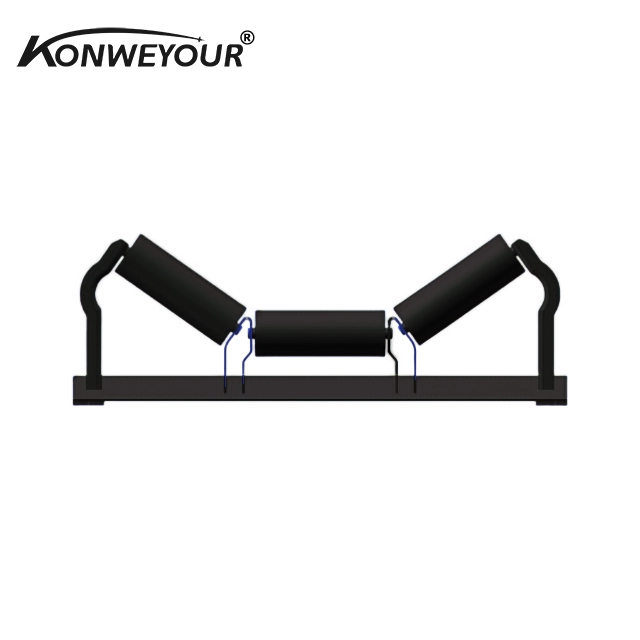
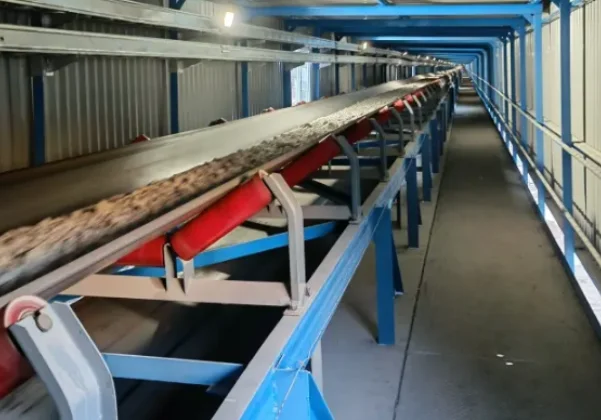
Conveyor idlers support the conveyor belt and maintain its proper alignment. They reduce friction between the belt and the conveyor frame, minimizing energy consumption and preventing belt wear. Idlers are strategically positioned along the conveyor path—under the carrying side to support the load, and under the return side to guide the belt back to the head pulley. A well-maintained idler system ensures smooth operation and extends the service life of the belt and other conveyor components. Different idler designs cater to diverse material characteristics, conveyor speeds, and operating environments. Choosing the correct type for your application is vital for optimal performance.
Key Benefits of Using Conveyor Idlers: Reduced belt wear, minimized friction, improved energy efficiency, and extended conveyor system lifespan.
Types of Conveyor Idlers Based on Construction
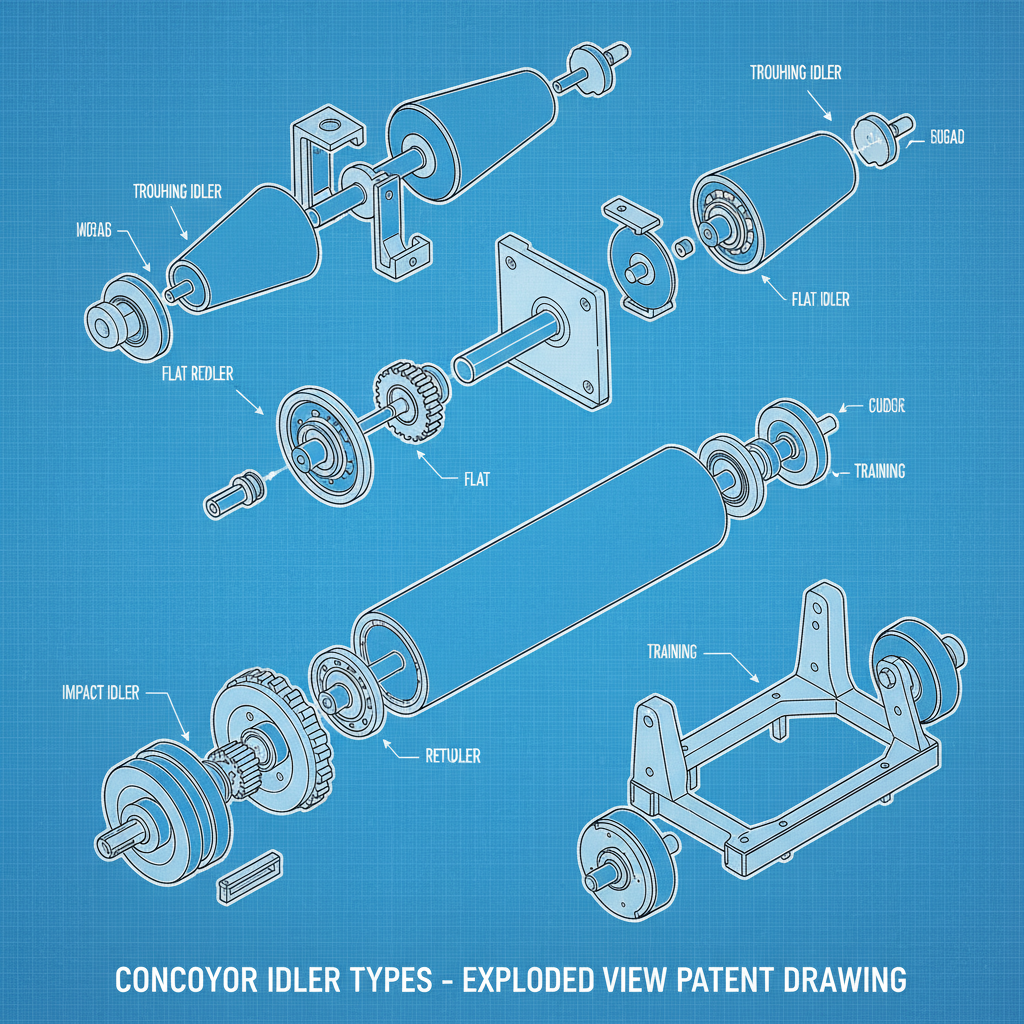
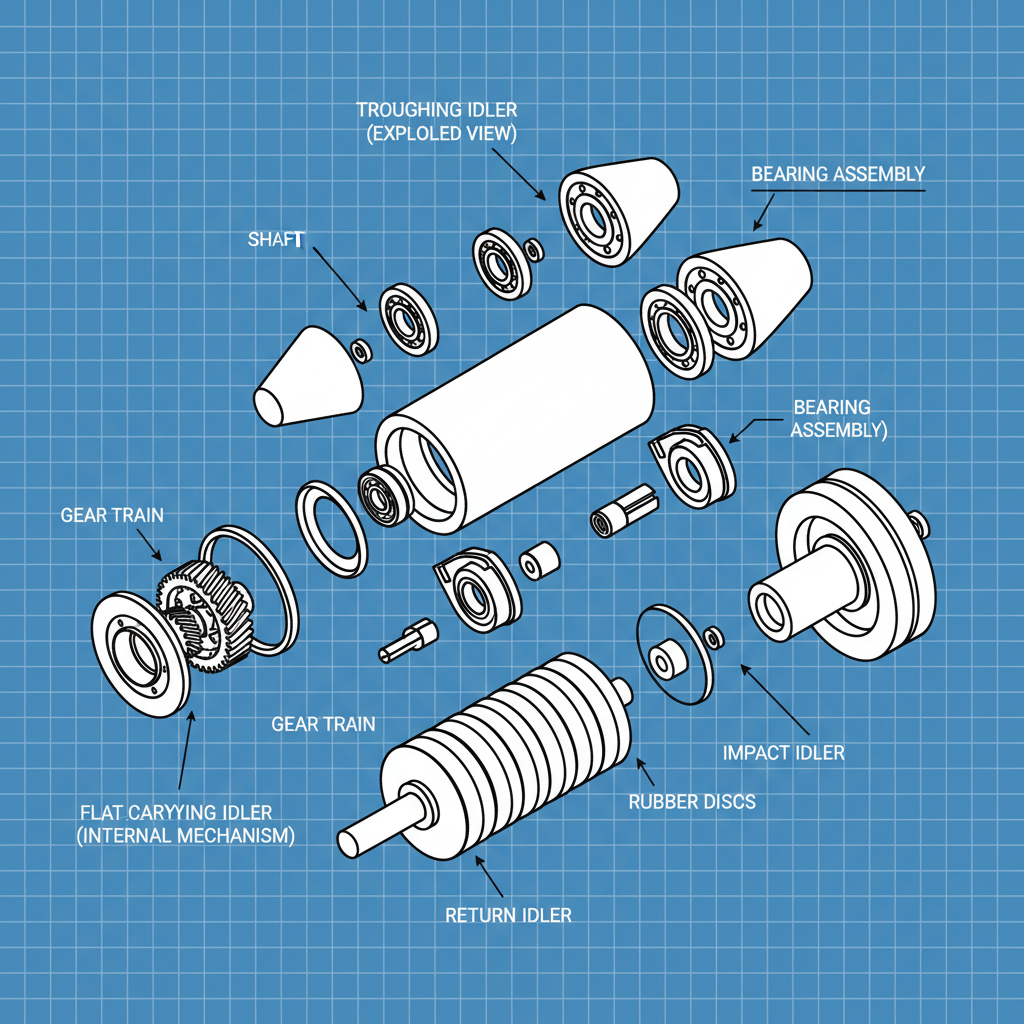
Idlers can be categorized based on their construction. The most common types include:
- Wing Idlers: Feature wing-shaped extensions on the rollers to prevent belt edge roll.
- End Idlers: Simple rollers used to support the belt, typically on the return side.
- Nib Idlers: Similar to wing idlers, but with smaller wings, offering moderate belt edge control.
- Self-Cleaning Idlers: Designed to prevent material buildup, ensuring consistent performance.
- Training Idlers: Adjustable idlers used to steer the belt and correct misalignment.
The choice of construction depends on the material being conveyed and the potential for belt misalignment. For example, self-cleaning idlers are essential in environments with sticky or clinging materials.
Types of Conveyor Idlers: A Detailed Comparison
Beyond construction, idlers can also be classified by their ability to accommodate changes in belt direction and load. Here’s a comparison of commonly used types:
| Idler Type |
Applications |
Advantages |
Disadvantages |
| Wing Idlers |
Handling materials prone to edge roll |
Excellent belt edge control |
Can accumulate material in the wings |
| Training Idlers |
Correcting belt misalignment |
Effective in steering the belt |
Requires regular adjustment |
| Self-Cleaning Idlers |
Conveying sticky or clinging materials |
Reduced material buildup, consistent performance |
Typically more expensive |
Idler Materials and Their Suitability
The material of the idler itself plays a critical role in its performance and longevity. Common materials include:
- Steel Idlers: Robust and durable, suitable for heavy-duty applications.
- Stainless Steel Idlers: Corrosion-resistant, ideal for harsh environments or handling corrosive materials.
- Polymer Idlers: Lightweight and cost-effective, suitable for lighter loads and non-corrosive environments.
The selection of material should align with the conveyed material’s abrasiveness, chemical properties, and the environmental conditions. For example, JT Conveyor offers a wide array of idlers designed for various applications.
Selecting the Right Conveyor Idler: Key Considerations
Choosing the right conveyor idler requires careful consideration of several factors: material type, conveyor speed, load capacity, operating environment, and maintenance requirements. Factors such as the conveyed material’s abrasiveness, moisture content, and temperature should also be taken into account. Proper idler selection will maximize the efficiency and lifespan of your conveyor system, reducing downtime and operational costs. Investing in high-quality idlers from a reputable supplier like JT Conveyor is crucial for long-term reliability.
Conclusion: Optimizing Conveyor Performance with the Right Idlers
Selecting the appropriate conveyor idlers is paramount for efficient and reliable material handling. By carefully considering the factors discussed in this article, you can optimize your conveyor system's performance, reduce maintenance costs, and extend its service life. Choosing a reputable supplier like JT Conveyor ensures you receive high-quality idlers tailored to your specific needs.
Frequently Asked Questions (FAQs)
How often should conveyor idlers be inspected?
Conveyor idlers should be inspected regularly, ideally as part of a routine maintenance schedule. A visual inspection should be conducted at least monthly, and a more thorough inspection—including checking for bearing wear, roller alignment, and buildup of material—should be done quarterly. Early detection of issues can prevent more significant problems and costly downtime. Look for signs of corrosion, damage, or excessive noise during operation. Regularly scheduled inspections are vital for extending the life of your conveyor system.
What causes conveyor idler failure?
Several factors can contribute to conveyor idler failure. These include bearing wear due to contamination or lack of lubrication, material buildup leading to increased drag and stress, corrosion from harsh environments, and impact damage from oversized or improperly loaded materials. Improper installation or misalignment can also significantly reduce idler lifespan. Regular maintenance, including lubrication and cleaning, can mitigate many of these issues. Ensuring proper belt alignment is crucial for minimizing stress on the idlers.
Are self-cleaning idlers worth the investment?
Self-cleaning idlers are a worthwhile investment for applications where material buildup is a significant issue. While they are typically more expensive upfront, they reduce downtime associated with manual cleaning, prevent belt misalignment caused by uneven loading, and improve overall conveyor efficiency. The cost savings from reduced maintenance and increased productivity often outweigh the initial investment. If you're conveying sticky, wet, or clinging materials, self-cleaning idlers are highly recommended.
How does ambient temperature affect idler performance?
Extreme temperatures can significantly affect idler performance. In cold environments, lubricants can become viscous, increasing friction and potentially leading to bearing failure. In hot environments, lubricants can degrade, and materials can expand, causing misalignment. Selecting idlers with appropriate temperature ratings and using suitable lubricants is essential for maintaining reliable operation in extreme conditions. Regular monitoring of idler temperature can also help identify potential issues.