Unlocking Efficiency: The Indispensable Role of a Modern Conveyor System
In the relentless pursuit of operational excellence, businesses across diverse industries are constantly seeking methodologies to streamline their production, reduce manual labor, and accelerate throughput. At the very heart of this endeavor lies the sophisticated modern conveyor system – a foundational technology that has evolved from simple belt mechanisms into highly intelligent, integrated networks capable of transforming the flow of goods and materials. Its omnipresence in manufacturing, logistics, e-commerce, and even agriculture underscores its critical importance. Consider the sheer scale: the global material handling equipment market, which includes conveyor systems, was valued at approximately USD 210 billion in 2022 and is projected to exceed USD 350 billion by 2030, driven significantly by the demand for automation and enhanced supply chain resilience. This isn't merely about moving items from point A to point B; it's about optimizing every millimeter of that journey, ensuring precision, minimizing human error, and creating a continuous, uninterrupted workflow. The economic ripple effect of an efficiently implemented conveyor system is profound, impacting everything from raw material ingress to finished product dispatch. It slashes labor costs, dramatically reduces lead times, enhances workplace safety by automating hazardous tasks, and significantly boosts overall productivity. For any enterprise grappling with the complexities of material movement, understanding the multifaceted benefits and capabilities of contemporary conveying solutions is not just advantageous – it is absolutely imperative for competitive survival and sustainable growth.
Unveiling Technical Superiority: Precision, Automation, and Integration
The technical advancements embedded within today's conveying solutions are nothing short of revolutionary. Far removed from their rudimentary predecessors, modern systems leverage cutting-edge engineering and digital intelligence to deliver unparalleled performance. Key among these advancements is the integration of advanced sensors, programmable logic controllers (PLCs), and sophisticated software. These components collectively enable real-time monitoring, predictive maintenance, and dynamic routing capabilities, ensuring that materials are moved with pinpoint accuracy and optimal speed. For instance, intelligent sortation systems can process thousands of items per hour, identifying, weighing, and directing packages to their correct destinations with minimal human intervention. Furthermore, the modular design philosophy now prevalent allows for greater flexibility and scalability, meaning systems can be easily adapted, expanded, or reconfigured to meet evolving operational demands without extensive downtime or prohibitive costs. Energy efficiency is another paramount consideration; variable frequency drives (VFDs) and energy-efficient motors are standard, drastically reducing power consumption, while regenerative braking systems capture and reuse energy. Ergonomics and safety are also profoundly enhanced through automation, moving workers away from repetitive or heavy lifting tasks and into supervisory or maintenance roles, thereby reducing workplace injuries and improving job satisfaction. The synergy between mechanical components, electrical controls, and software intelligence transforms these systems from mere transport mechanisms into strategic assets that provide a clear competitive edge through enhanced operational control and efficiency.
Strategic Selection: A Comparative Analysis of Conveyor System Manufacturers
Choosing the right conveyor system is a critical decision, and a thorough evaluation of manufacturers is indispensable. The market is populated by a diverse array of providers, each with distinct specializations, technological offerings, and service models. A comprehensive comparison is vital to align a system's capabilities with specific operational requirements. Below is a comparative table highlighting key differentiators that prospective buyers should consider, using hypothetical manufacturer profiles to illustrate the spectrum of options available:
Feature/Attribute | Manufacturer A (Specialized High-Throughput) | Manufacturer B (Custom & Flexible Solutions) | Manufacturer C (Cost-Effective Standardized) |
Core Strength | Ultra-high-speed sortation, complex routing, heavy-duty applications. | Bespoke system design, modularity, integration with existing infrastructure. | Standard belt and roller systems, quick deployment, budget-friendly. |
Technology Focus | AI-powered vision systems, predictive analytics, advanced robotics integration. | IoT-enabled monitoring, smart controls, adaptable frame structures. | Basic sensor integration, manual/semi-automated controls. |
Customization Level | Limited (focus on standardized high-performance modules). | Extensive (design from scratch, unique configurations). | Minimal (off-the-shelf components, fixed layouts). |
After-Sales Support | 24/7 global support, dedicated account managers, remote diagnostics. | Regional field service, online portal, scheduled maintenance. | Basic warranty, limited on-site support, parts catalog. |
Typical Lead Time | 6-12 months (due to complexity and scale). | 3-6 months (depending on customization). | 1-3 months (for standard configurations). |
Target Industries | Large e-commerce fulfillment, parcel logistics, automotive assembly. | Food processing, pharmaceutical, specialized manufacturing. | General warehousing, small-scale production, retail backrooms. |
Pricing Model | Premium investment, lowest cost per item moved at scale. | Mid-to-high investment, value-driven for specific needs. | Lowest initial capital expenditure. |
This table underscores that the "best" manufacturer is subjective, depending entirely on the client's specific demands, budget, and long-term strategic goals. Factors such as system longevity, ease of maintenance, availability of spare parts, and the manufacturer's track record for reliability and innovation should also heavily influence the decision-making process. Engaging with multiple vendors and conducting thorough due diligence, including site visits and reference checks, is paramount to making an informed choice that will yield optimal returns.
Tailored Solutions: Engineering Bespoke Conveyor Systems for Unique Demands
In an era where every operational nuance can translate into a competitive advantage or disadvantage, a one-size-fits-all approach to material handling is increasingly untenable. This reality underscores the growing demand for bespoke conveying solutions – systems meticulously engineered to address the distinct challenges and opportunities presented by a client's specific operational environment. Customization goes far beyond simply choosing belt width or motor power; it encompasses a holistic design philosophy that considers the unique properties of the materials being transported, the architectural constraints of the facility, the required throughput rates, environmental factors, and the seamless integration with existing machinery and software. For instance, a pharmaceutical manufacturer handling sterile vials requires an entirely different system design – prioritizing cleanliness, gentle handling, and precise tracking – compared to an automotive plant moving heavy engine blocks, which demands robust construction and high torque. Similarly, an e-commerce giant processing millions of small, varied items needs advanced sortation, diverters, and merge points, whereas a food processing facility might require wash-down capabilities and food-grade materials. The customization process typically begins with an in-depth operational analysis, followed by detailed 3D modeling and simulation to predict performance, identify potential bottlenecks, and optimize layout before any physical components are manufactured. This iterative design process ensures that the final system is not just functional, but optimally efficient, perfectly integrated, and inherently scalable, providing a strategic asset that enhances productivity and mitigates risks unique to the operation.
Real-World Impact: Diverse Applications and Transformative Case Studies
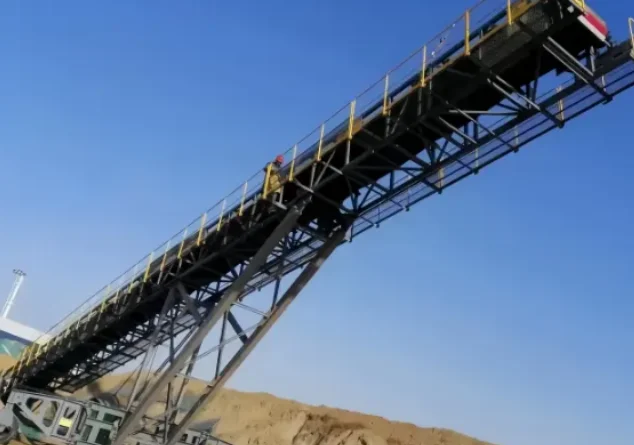
The versatility of conveying technology is perhaps best illustrated through its widespread adoption across a myriad of industries, each leveraging these systems to solve specific material handling challenges and drive efficiency. From the macroscopic scale of mining operations to the microscopic precision required in electronics assembly, these systems are indispensable. In the e-commerce and logistics sector, automated sorting and retrieval systems are the backbone of rapid order fulfillment. A major online retailer, for example, deployed a network of modular belt and roller conveyors integrated with robotic pick-and-place units, reducing their order processing time by 40% and increasing daily dispatch capacity by 60%, directly impacting customer satisfaction and market share. Within manufacturing, particularly in automotive plants, overhead and floor-based conveyor lines facilitate sequential assembly, delivering components to workstations just-in-time, minimizing inventory and maximizing space utilization. One automotive OEM implemented a fully automated skillet conveyor system for vehicle body assembly, leading to a 25% reduction in production cycle time per vehicle and significantly improving worker ergonomics. In the food and beverage industry, hygienic conveying solutions transport everything from raw ingredients to packaged goods, adhering to stringent sanitation standards. A large bakery chain modernized its production line with wash-down safe, incline belt conveyors, resulting in a 30% increase in product throughput and a dramatic reduction in cross-contamination risks. Even in seemingly unconventional environments like airports, baggage handling systems, a complex network of conveyors and sorters, ensure millions of bags are routed correctly every day, minimizing delays and enhancing passenger experience. These examples powerfully demonstrate that the strategic deployment of appropriate conveying technology is not merely an operational improvement, but a transformative force that delivers measurable financial and operational benefits across the industrial landscape.
Future-Proofing Operations: ROI and Emerging Trends in Material Handling
Investing in an advanced material handling infrastructure, particularly a sophisticated conveying solution, is a substantial capital expenditure, yet its return on investment (ROI) can be remarkably swift and profound. The direct financial benefits typically manifest through significant reductions in labor costs, minimized product damage, decreased energy consumption, and optimized space utilization. Beyond these immediate gains, an upgraded system often unlocks indirect benefits such as improved safety records, enhanced product quality due to consistent handling, and increased capacity for future growth without extensive real estate expansion. Calculating ROI involves assessing these savings against the initial investment and ongoing operational costs, frequently revealing payback periods as short as 18-36 months for well-designed systems. Looking ahead, the trajectory of conveyor technology is characterized by several key emerging trends. Industry 4.0 principles, emphasizing interconnectivity and real-time data exchange, are becoming standard, fostering environments where conveying systems communicate seamlessly with other automated equipment like robots, AGVs (Automated Guided Vehicles), and warehouse management systems (WMS). The proliferation of Artificial Intelligence (AI) and Machine Learning (ML) is enabling predictive maintenance, allowing systems to self-diagnose and schedule service proactively, thereby minimizing unscheduled downtime. Furthermore, the drive towards sustainability is promoting the development of greener conveying solutions, focusing on ultra-low friction designs, energy harvesting mechanisms, and the use of recyclable or bio-degradable materials in construction. Modularity and configurability remain paramount, allowing businesses to adapt quickly to fluctuating market demands and technological shifts. These advancements not only future-proof operations but also position businesses at the vanguard of efficiency and innovation, ensuring sustained competitiveness in a rapidly evolving global market.
Embracing the Future: The Enduring Value of an Advanced Conveyor System
As industries continue to navigate the complexities of global supply chains, fluctuating labor markets, and the persistent demand for faster, more accurate, and cost-effective operations, the strategic importance of a well-engineered conveyor system cannot be overstated. It stands as a testament to engineering ingenuity, evolving from a simple mechanical device into a sophisticated, intelligent, and indispensable component of modern industrial and logistical infrastructure. From its fundamental role in streamlining workflows and reducing operational costs to its transformative impact on safety and productivity, the benefits ripple across the entire enterprise. The commitment to continuous innovation by leading manufacturers ensures that these systems are not merely keeping pace with demand but are actively shaping the future of material handling through automation, data analytics, and sustainable design. For businesses aiming to secure a competitive edge, achieve unparalleled operational efficiencies, and adapt to the dynamic challenges of tomorrow, investing in a cutting-edge conveying solution is no longer a luxury but a strategic imperative. It represents a forward-thinking commitment to optimizing every aspect of material movement, ensuring that products and components flow seamlessly, safely, and efficiently from origin to destination, ultimately driving profitability and fostering sustainable growth in an increasingly demanding global marketplace.
Frequently Asked Questions (FAQs) about Conveyor Systems
What is a conveyor system and what is its primary function?
A conveyor system is a mechanical handling device that moves materials from one location to another. Its primary function is to transport goods, products, or raw materials efficiently and safely within a facility, reducing manual labor, improving workflow, and increasing throughput.
What are the main types of conveyor systems available?
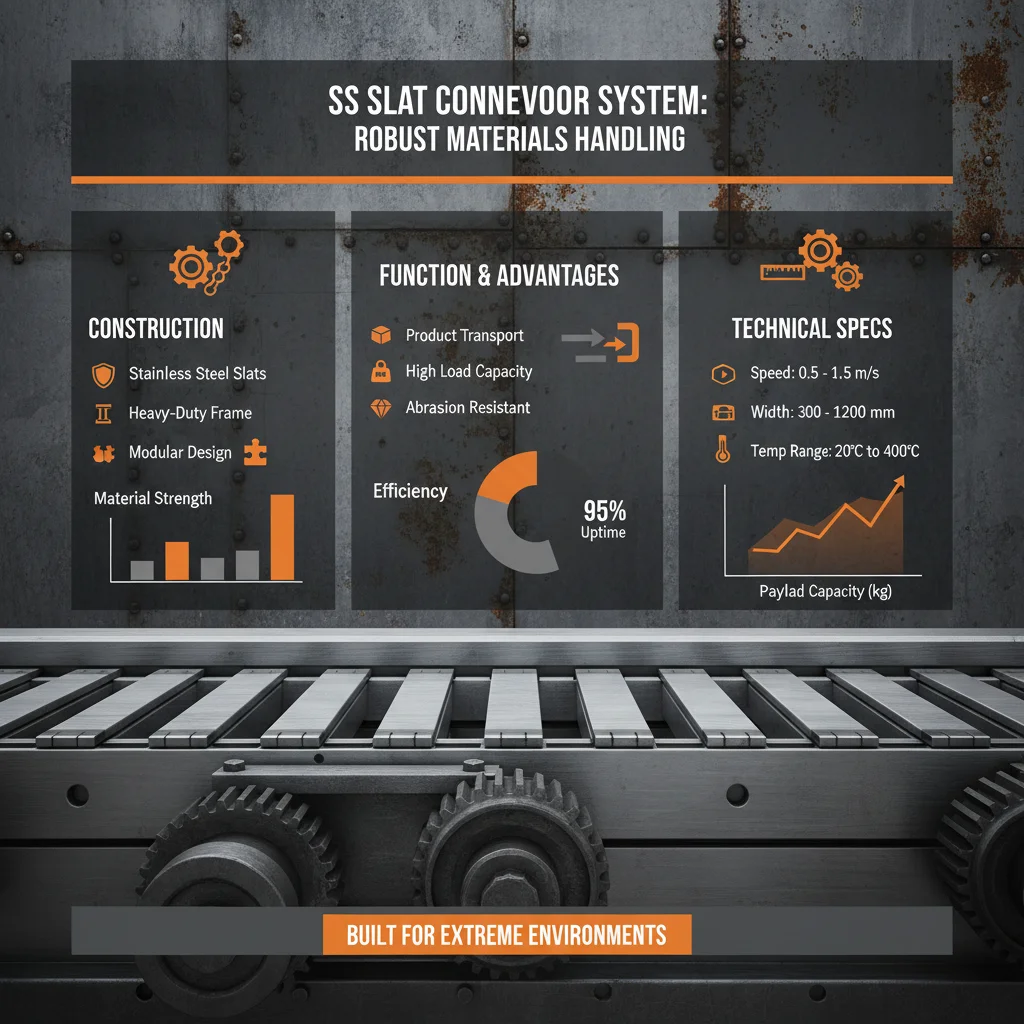
Common types include belt conveyors (for bulk or packaged goods), roller conveyors (gravity or powered), chain conveyors (for heavy or abrasive materials), slat conveyors, overhead conveyors, vertical conveyors, and specialized systems like spiral or flexible conveyors, each suited for different applications.
How do conveyor systems contribute to operational efficiency and cost reduction?
They reduce labor costs by automating material movement, minimize product damage through consistent handling, optimize space utilization, accelerate production cycles, and improve safety by automating hazardous tasks, all contributing to significant operational savings and increased efficiency.
What factors should be considered when choosing a conveyor system?
Key factors include the type, weight, and dimensions of materials, required throughput rate, facility layout and available space, environmental conditions (e.g., temperature, dust, hygiene), budget, desired level of automation, and future scalability requirements.
Can conveyor systems be integrated with other automated technologies?
Absolutely. Modern conveyor systems are often designed for seamless integration with other automated technologies such as robotics, automated guided vehicles (AGVs), warehouse management systems (WMS), and enterprise resource planning (ERP) software, creating a fully automated and interconnected material handling ecosystem.
What are the maintenance requirements for a typical conveyor system?
Maintenance typically involves regular inspection of belts, rollers, chains, motors, and bearings; lubrication of moving parts; tension adjustments; and prompt replacement of worn components. Predictive maintenance, often enabled by IoT sensors, helps minimize unscheduled downtime.
What are the latest technological advancements in conveyor systems?
Recent advancements include smart controls with AI and machine learning for predictive maintenance and dynamic routing, energy-efficient motors and regenerative braking, modular and reconfigurable designs for greater flexibility, and enhanced sensor technology for improved safety and precision.