The ss slat conveyor represents a cornerstone of modern material handling, quietly enabling efficiency across a diverse range of industries. From agricultural processing and food production to manufacturing and logistics, these systems provide a reliable and cost-effective method for moving goods. Understanding the principles behind ss slat conveyor design, operation, and maintenance is crucial for optimizing processes and ensuring consistent output. The benefits extend beyond mere convenience, contributing to improved workplace safety, reduced labor costs, and enhanced overall productivity.
Globally, the demand for efficient material handling solutions is soaring, driven by increasing production volumes and the complexities of modern supply chains. According to a report by Market Research Future, the global conveyor systems market is projected to reach USD 7.5 billion by 2028, registering a CAGR of 6.2% from 2022 to 2028. This growth underscores the critical role conveyors play in enabling global commerce. The ss slat conveyor, with its robust design and adaptability, is ideally positioned to meet this growing demand, offering a versatile solution for a wide spectrum of applications.
However, challenges exist, including the need for ongoing innovation to address evolving industry requirements and a growing emphasis on sustainability. Efficient and dependable movement of materials is paramount, and the ss slat conveyor is evolving to address these demands, offering a blend of proven technology and innovative features.
Introduction to ss slat conveyor
Ss slat conveyors represent a versatile and robust solution for a wide array of material handling needs. Unlike belt or roller conveyors, ss slat conveyors utilize a series of solid, durable slats – typically made of stainless steel – to transport items. This design is particularly well-suited for applications involving heavy loads, hot materials, or products that require precise positioning. Their inherent strength and resistance to wear make them a reliable choice for demanding industrial environments.
The selection of an ss slat conveyor isn’t just about moving products from point A to point B; it's about implementing a system designed for longevity, minimal maintenance, and optimal operational efficiency. Understanding the nuances of slat material, chain design, and motor selection is critical for maximizing the return on investment and ensuring seamless integration into existing workflows.
Defining ss slat conveyor
An ss slat conveyor is a mechanical handling system that uses a continuous series of solid slats, linked together by chains, to convey materials. These slats move along a defined path, typically supported by rails or a frame, providing a stable and reliable surface for transporting a variety of goods. The stainless steel construction offers exceptional durability, corrosion resistance, and sanitation benefits, making them ideal for industries like food processing, pharmaceuticals, and chemical manufacturing.
In essence, the ss slat conveyor bridges the gap between manual handling and fully automated systems. They can be integrated into existing production lines or designed as standalone solutions to address specific material handling challenges. This adaptability, coupled with their ability to handle diverse load types, makes them a staple in modern industrial operations.
Their connection to modern industry isn't merely practical; they represent a commitment to efficiency, hygiene, and worker safety. By automating material flow, ss slat conveyors reduce the risk of injuries associated with manual lifting and improve overall productivity.
Key Components of ss slat conveyor
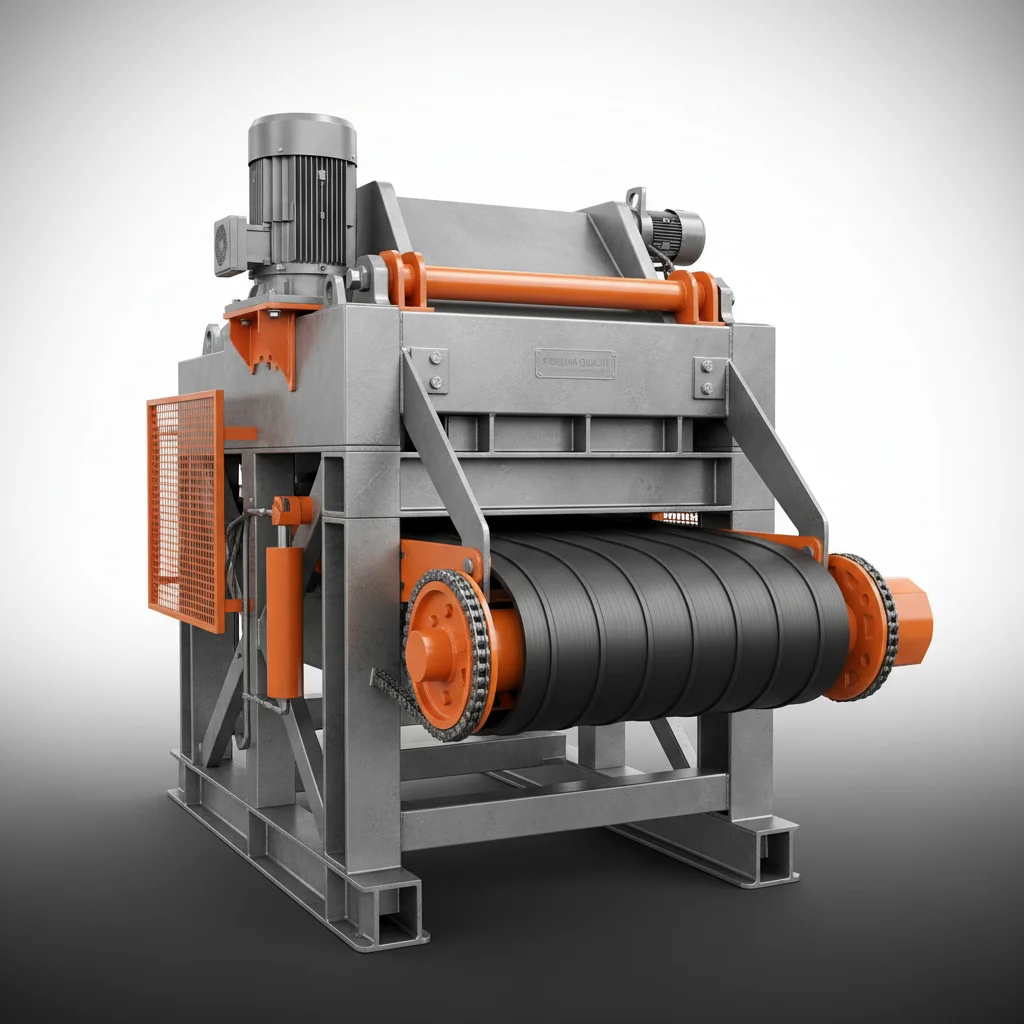
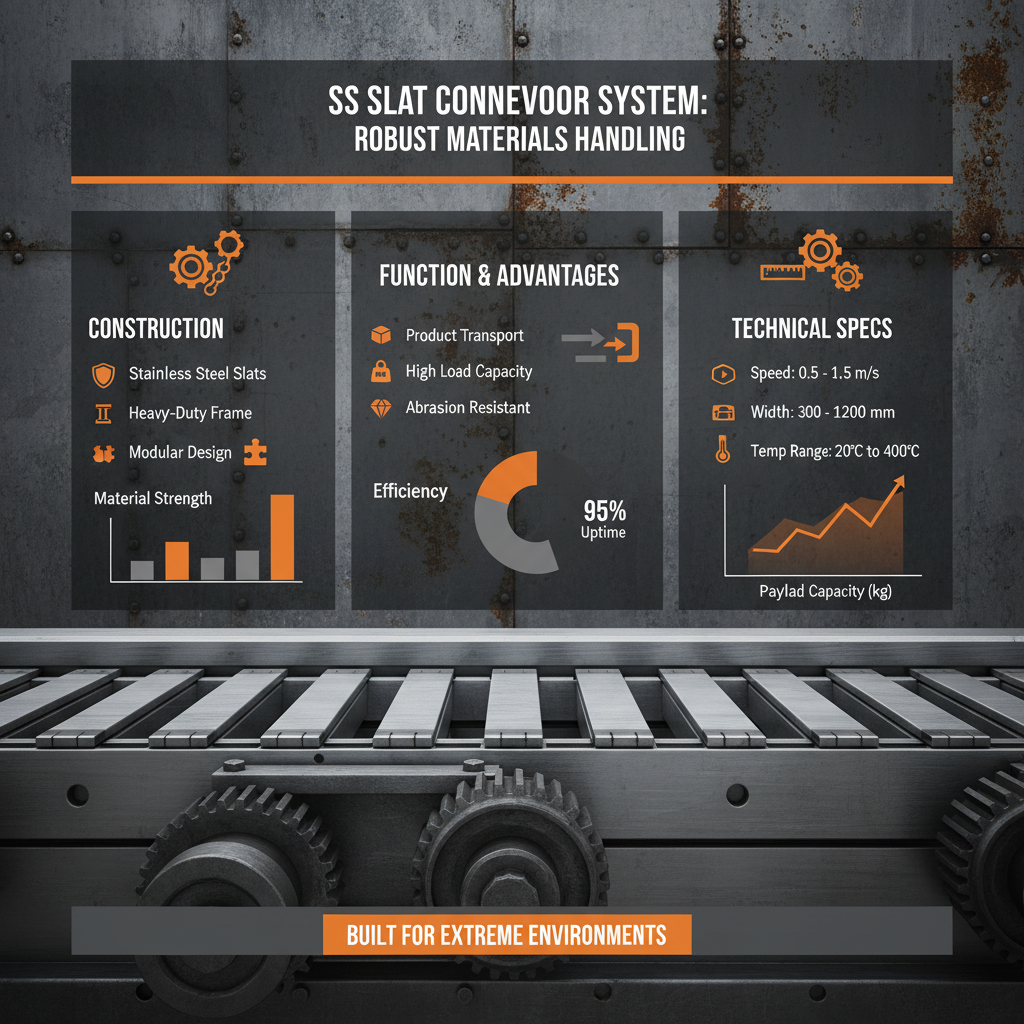
The core of any ss slat conveyor lies in its constituent components, each playing a vital role in ensuring smooth and reliable operation. Firstly, the slats themselves, typically constructed from stainless steel, provide the load-bearing surface. Their durability and resistance to corrosion are paramount, especially in demanding environments. Secondly, the drive chains, meticulously engineered for strength and longevity, link the slats together and transmit power from the motor.
Thirdly, the supporting framework, usually constructed from robust steel, provides structural integrity and ensures the conveyor maintains its alignment. Crucially, the drive unit – encompassing the motor, gearbox, and related controls – governs the speed and direction of the conveyor. Finally, safety features such as guards and emergency stop mechanisms are integral to protecting personnel and preventing accidents.
The synergy between these components is what defines the efficiency and reliability of an ss slat conveyor. Regular inspection and maintenance of each element are critical for prolonging the system’s lifespan and preventing costly downtime.
Advantages of ss slat conveyor
Ss slat conveyors offer several key advantages over other material handling solutions. Primarily, their robust construction provides exceptional durability, capable of handling heavy loads and withstanding harsh industrial conditions. This translates to reduced maintenance costs and a longer operational lifespan. Furthermore, the solid slat design offers superior product support, minimizing the risk of items falling or shifting during transport.
Compared to belt conveyors, ss slat conveyors excel in applications requiring precise positioning and controlled movement. Their rigid slats allow for accurate indexing and synchronization, making them ideal for assembly lines and automated packaging systems. The stainless steel construction also provides a hygienic surface, essential for food processing and pharmaceutical applications.
Performance Comparison of ss slat conveyor Methods
Global Applications of ss slat conveyor
The versatility of ss slat conveyors allows for widespread application across numerous industries worldwide. In the food and beverage sector, they are crucial for handling ingredients, processing products, and packaging finished goods, maintaining stringent hygiene standards. Pharmaceutical companies rely on their cleanliness and precision for handling sensitive materials. Manufacturing facilities utilize them for transporting components, assemblies, and finished products.
Furthermore, ss slat conveyors find application in logistics and warehousing, automating the movement of parcels and pallets. They are also prevalent in industries like automotive manufacturing, metalworking, and chemical processing, wherever reliable and durable material handling is paramount. In post-disaster relief operations, mobile ss slat conveyor systems are increasingly deployed for efficiently distributing aid and supplies to affected areas.
Long-Term Value of ss slat conveyor
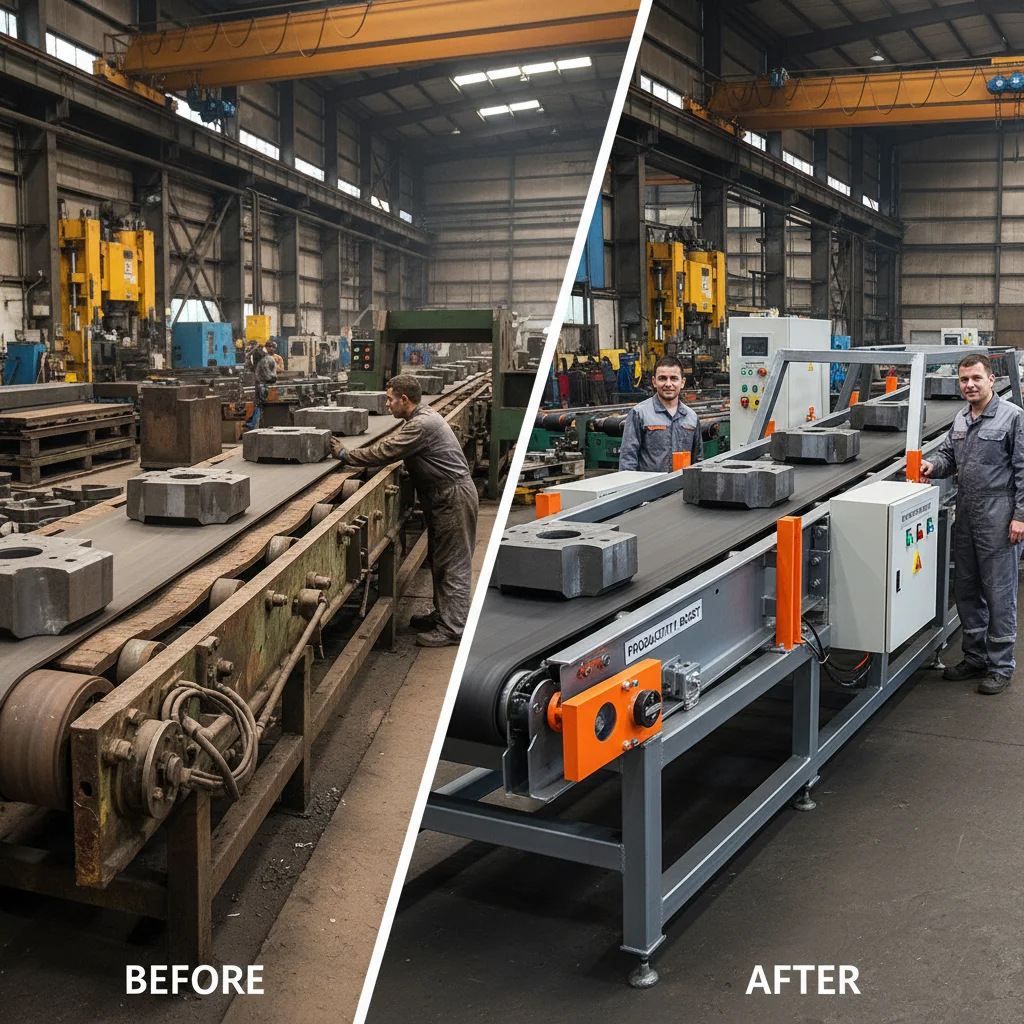
Investing in an ss slat conveyor extends beyond immediate operational improvements; it represents a long-term investment in efficiency, reliability, and safety. The durable construction minimizes maintenance requirements, reducing downtime and associated costs. Their adaptability allows for easy integration into evolving production processes, maximizing their lifespan. The reduced reliance on manual labor translates to significant cost savings and improved worker safety.
Beyond the tangible benefits, ss slat conveyors contribute to a positive brand image by demonstrating a commitment to quality and efficiency. Their hygienic design and robust construction foster trust among customers and partners, particularly in sensitive industries like food and pharmaceuticals. Choosing an ss slat conveyor is a strategic decision that yields sustained value over the long term.
Future Trends in ss slat conveyor
The future of ss slat conveyor technology is poised for significant advancements, driven by the forces of automation, sustainability, and data analytics. We’re seeing increasing integration with Internet of Things (IoT) devices, enabling real-time monitoring of performance, predictive maintenance, and remote diagnostics. Smart conveyors, equipped with sensors and data processing capabilities, can optimize material flow and identify potential bottlenecks.
Furthermore, advancements in materials science are leading to the development of lighter, stronger, and more corrosion-resistant slat materials. Energy-efficient motor technologies and regenerative braking systems are reducing the environmental impact of ss slat conveyor operations. The integration of artificial intelligence (AI) and machine learning (ML) promises to further optimize performance and automate decision-making.
The trend toward modular and customizable designs allows for tailored solutions to meet specific application requirements, enhancing flexibility and reducing lead times. As sustainability becomes increasingly important, we can expect to see a greater emphasis on eco-friendly materials and energy-efficient designs.
Analysis of ss slat conveyor Performance Factors
| Slat Material |
Load Capacity |
Maintenance Frequency |
Operational Cost |
| Stainless Steel 304 |
8 |
2 |
7 |
| Stainless Steel 316 |
9 |
3 |
8 |
| Carbon Steel (Coated) |
7 |
4 |
6 |
| Polypropylene |
5 |
1 |
4 |
| Aluminum |
6 |
3 |
5 |
| High-Strength Alloy |
10 |
2 |
9 |
FAQS
Ss slat conveyors offer superior durability, precision, and hygiene compared to belt conveyors. The solid slats provide better product support, minimizing slippage and damage, and are easier to clean, making them ideal for industries with strict sanitation requirements. Furthermore, ss slat conveyors can handle heavier loads and withstand harsher environments, offering a longer operational lifespan and reduced maintenance needs.
Selecting the right slat material depends on several factors, including the type of material being conveyed, the operating temperature, and the environment. Stainless steel 304 is a common choice for general applications, while 316 offers enhanced corrosion resistance for harsh environments. Carbon steel, with appropriate coatings, may be suitable for less demanding applications. Polypropylene is a lightweight option for specific needs.
Regular maintenance is crucial for ensuring optimal performance and longevity. This includes inspecting and lubricating chains, checking slat alignment, and verifying the proper operation of the drive unit. Periodic cleaning is essential, especially in food and pharmaceutical applications. Implementing a preventative maintenance schedule can minimize downtime and extend the lifespan of the conveyor system.
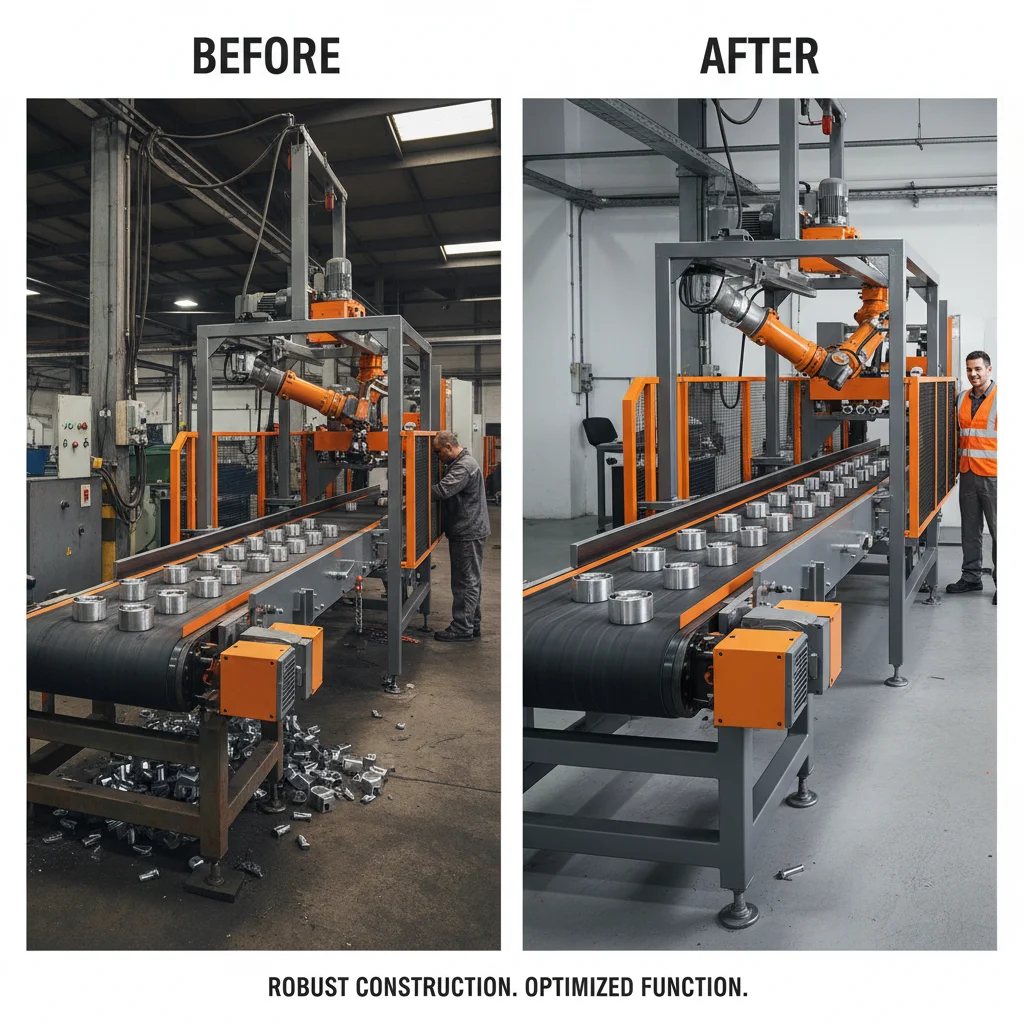
Absolutely. Ss slat conveyors are highly compatible with automated systems, including robotic arms, programmable logic controllers (PLCs), and sensors. They can be easily integrated into existing production lines to create seamless and efficient material handling workflows. The precise movement and indexing capabilities of ss slat conveyors make them ideal for automated assembly and packaging processes.
The lead time for a custom ss slat conveyor varies depending on the complexity of the design and the availability of materials. Generally, lead times range from 4 to 12 weeks. Factors like custom slat dimensions, specialized features, and order volume can influence the timeline. We work closely with our clients to provide accurate estimates and ensure timely delivery.
Safety is paramount. Ss slat conveyors typically include features like emergency stop buttons, guards to prevent accidental contact with moving parts, and overload protection systems. We also offer options like light curtains and safety sensors to enhance worker safety. All our conveyors are designed and manufactured to meet relevant safety standards and regulations.
Conclusion
The ss slat conveyor stands as a testament to engineering ingenuity, offering a durable, reliable, and versatile solution for a diverse range of material handling challenges. From enhancing efficiency in food processing plants to streamlining operations in manufacturing facilities, its benefits are far-reaching. Its adaptability, coupled with ongoing innovation in materials and technology, ensures its continued relevance in the evolving industrial landscape.
Looking ahead, the integration of smart technologies and sustainable materials will further solidify the ss slat conveyor's position as a leading material handling solution. Investing in an ss slat conveyor isn’t just about upgrading equipment; it’s about embracing a future of streamlined operations, enhanced safety, and long-term cost savings.