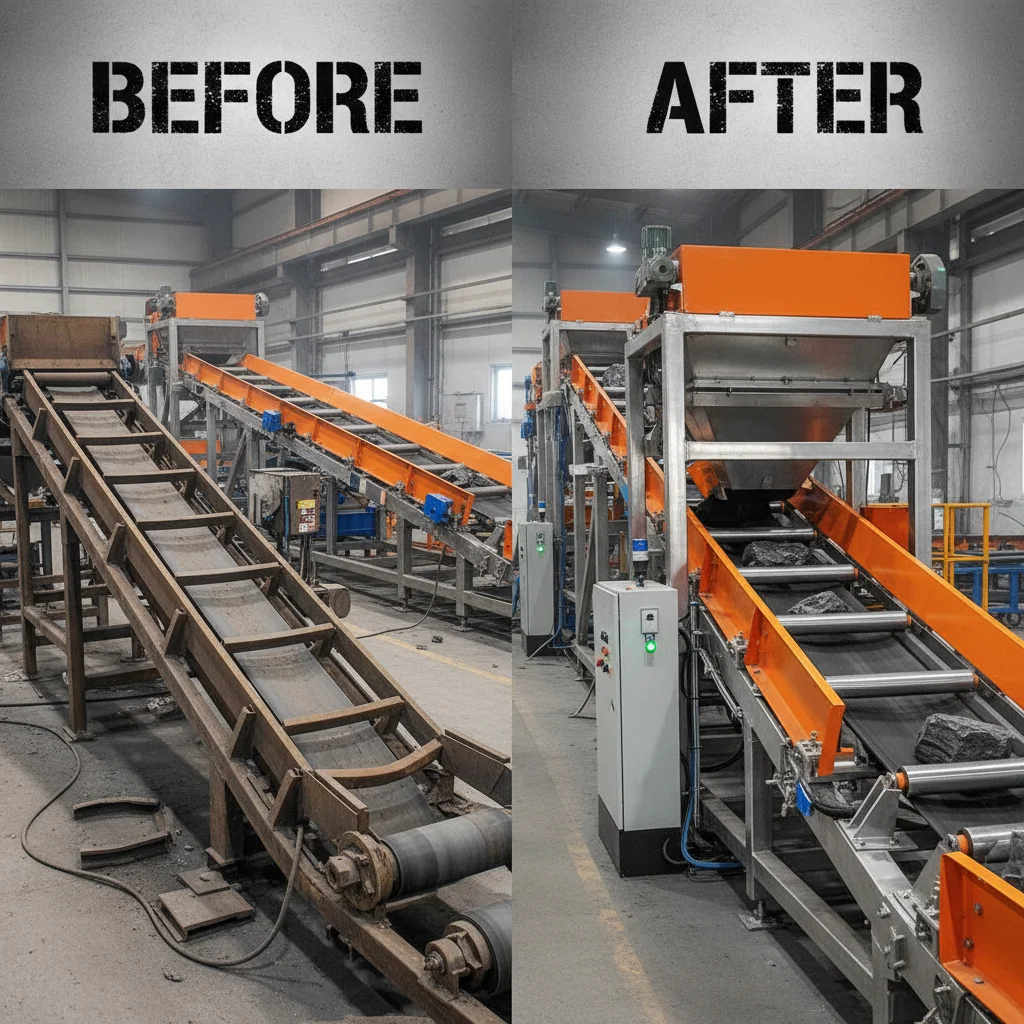
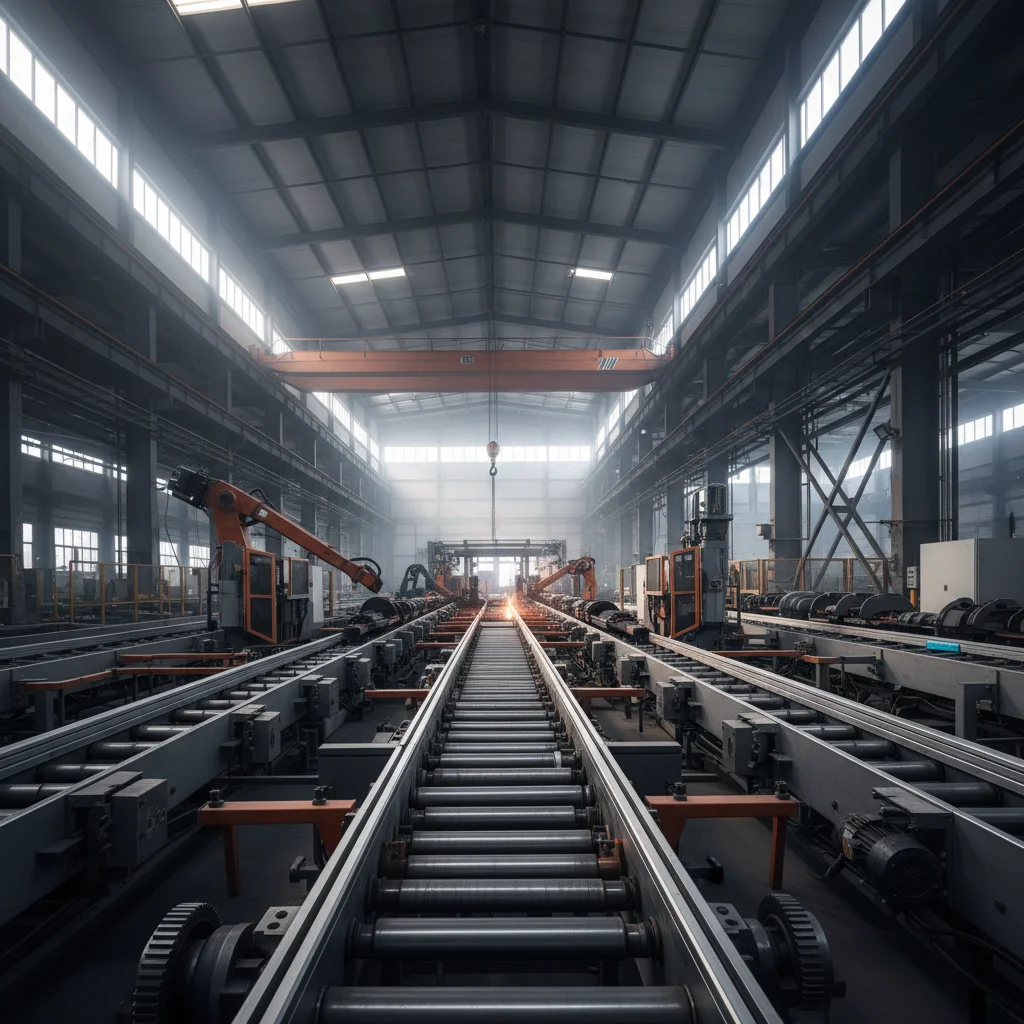
Look, after running around construction sites all year, you start to see what really matters. Everyone’s talking about modularity these days, prefabrication, getting things done faster. It’s not just hype, honestly. Labor costs are insane, materials are constantly going up… you gotta find a way to build smarter, not harder. It’s a whole different ball game than it used to be. I’ve seen too many projects stall because of delays in getting even basic materials.
But everyone’s jumping on the bandwagon, and that’s where things get tricky. A lot of these designs look great on paper, all clean lines and perfect fits, but then you get on-site and… well, it doesn’t always work that way. Have you noticed how many times a "universal" connector isn’t so universal when you’re dealing with decades-old equipment? It's a headache.
And honestly, it’s the little things that trip people up.
The Current Landscape of manufacturing conveyors
To be honest, the biggest trend I'm seeing is a push for more adaptable systems. Everything’s got to be reconfigurable. You build a line for Product A today, and next year you’re building Product B. Rigid, fixed systems? They’re dinosaurs. The demand for flexible manufacturing conveyors is soaring, especially in industries like automotive and consumer electronics. There's a lot of talk about Industry 4.0 and smart factories, and conveyors are right in the middle of it all. They’re becoming data hubs, feeding information back to the central control system.
It’s a shift, that’s for sure. It used to be about brute force and maximum throughput. Now, it’s about efficiency, adaptability, and minimizing downtime. And strangely, everyone's worried about sustainability now, which means lighter materials, energy-efficient motors, and designs that minimize waste.
Common Design Pitfalls in manufacturing conveyors
I encountered this at a food processing factory last time. They designed a system based solely on peak production numbers, and completely ignored the daily fluctuations. So, for eight hours a day, the conveyor was running at half capacity, wasting energy and causing unnecessary wear and tear. It’s a classic mistake. People get too focused on the “what if” scenario and forget about the “what is.”
Another thing? Underestimating the importance of maintenance access. You need to be able to get in there and clean, lubricate, and repair things without completely shutting down the line. I've seen systems where you practically need a contortionist to reach a critical component. And don’t even get me started on designs that make it impossible to replace a worn bearing without dismantling half the conveyor.
Oh, and cable management. It always gets overlooked. A tangled mess of cables is a recipe for disaster. Later… forget it, I won’t mention it.
Material Science: It's Not Just About Specs
People talk about stainless steel like it's the holy grail, right? And it is good, especially in food and pharmaceutical applications. But it's heavy, expensive, and frankly, sometimes overkill. Aluminum alloys are making huge strides, and they’re much lighter and easier to work with. You can get some seriously strong and corrosion-resistant aluminum these days. I like the feel of a good aluminum frame, feels solid without being cumbersome.
And then there’s the belting material. You've got your standard PVC, your rubber, your modular plastic belts… Each one has its place. PVC smells like… well, PVC. You know that plastic smell. Rubber feels grippy, but it can degrade over time if exposed to certain chemicals. Modular plastic belts are great for harsh environments and easy cleaning, but they can be noisy. The choice depends on what you're moving, the environment, and how much maintenance you're willing to do.
I've also been seeing more and more use of composite materials – carbon fiber reinforced polymers, that kind of thing. They’re incredibly strong and lightweight, but they’re expensive.
Real-World Testing and Validation
Lab tests are fine, but they don't tell the whole story. You need to see how these things perform in a real factory environment. I like to run endurance tests – just let the conveyor run continuously for a week or two, under a heavy load. You’ll quickly find any weak points.
We also do a lot of vibration testing. Manufacturing floors are notoriously noisy and vibrate constantly. You need to make sure the conveyor can withstand that without falling apart. It's crucial. And temperature cycling, too. If it's going to be installed in a warehouse that gets hot in the summer and cold in the winter, it needs to be able to handle the extremes.
manufacturing conveyors Performance Metrics
How Users Actually Interact with manufacturing conveyors
What’s interesting is how people really use these things. Engineers design them for a specific flow, but operators will always find a way to adapt. I've seen guys pile boxes on conveyors that were clearly not designed for it, just to save a few steps. And then you get the guys who try to "ride" the conveyor, which… yeah, don’t do that.
You need to design for the unexpected. Account for human error. Make it robust enough to handle a little abuse. Because, trust me, it will get abused. It's a fact of life.
Advantages and Disadvantages: A Balanced View
The biggest advantage of a well-designed manufacturing conveyors system is, obviously, increased efficiency. It streamlines the process, reduces manual handling, and improves throughput. But let’s be real, they’re not perfect. They require regular maintenance, and they can be expensive to install and repair. A complex system can also be a single point of failure – if one component breaks down, the whole line goes down.
And, frankly, the software side of things can be a nightmare. Trying to integrate different systems and get them to talk to each other… It’s a constant battle.
But overall, the benefits usually outweigh the drawbacks. Especially if you choose the right system for your needs and invest in proper maintenance.
Customization and Specific Applications
Customization is key. Everyone’s needs are different. Last month, a small boss in Shenzhen who makes smart home devices insisted on changing the interface to , even though we told him it wasn’t necessary and would add cost. He wanted it for “future-proofing.” It ended up causing a whole bunch of compatibility issues, and he had to revert back to the original design. But you know, he had to try. People always want to push the boundaries.
Anyway, I think the trend is towards more modular, configurable systems. Being able to swap out components quickly and easily is a huge advantage. Whether it's a specialized belt for handling delicate products, or a custom-designed frame to fit a tight space, the ability to tailor the system to your specific needs is crucial.
And different industries demand different solutions. Food processing requires sanitary designs. Automotive needs heavy-duty systems that can handle large, heavy parts. Electronics requires precision and gentle handling. It all depends on the application.
Key Performance Indicators for Different manufacturing conveyors Systems
| Application Area |
Key Metric |
Target Value |
Implementation Difficulty (1-10) |
| Automotive Assembly |
Throughput (Units/Hour) |
800-1200 |
7 |
| Food Processing |
Sanitation Score (1-10) |
9-10 |
6 |
| E-commerce Fulfillment |
Order Accuracy (%) |
99.5% |
5 |
| Pharmaceutical Manufacturing |
Contamination Rate (ppm) |
< 1 ppm |
8 |
| Electronics Assembly |
ESD Protection Level |
Class 1 |
4 |
| Chemical Processing |
Corrosion Resistance (Years) |
10+ |
9 |
FAQS
That’s a tricky one. It really depends on usage, maintenance, and the environment. A well-maintained system in a relatively clean environment can easily last 10-15 years, sometimes even longer. But neglect it, overload it, or expose it to harsh conditions, and you'll be looking at repairs or replacements much sooner. We often recommend preventative maintenance schedules to maximize lifespan. It's about getting ahead of the problems, not reacting to them.
Oh boy. That’s like asking how long a piece of string is. It varies wildly. A simple, straight conveyor for light-duty applications might cost a few thousand dollars. A complex, automated system with multiple branches, sensors, and controls can easily run into six figures. The material, length, capacity, and level of automation all play a huge role. Best to get a custom quote based on your specific needs.
Safety is paramount. You absolutely need emergency stop buttons readily accessible along the entire length of the conveyor. Guards and enclosures to prevent accidental contact with moving parts. Proper labeling and warning signs. And, depending on the application, you might need light curtains, safety scanners, or other more advanced safety devices. Compliance with relevant safety standards is non-negotiable.
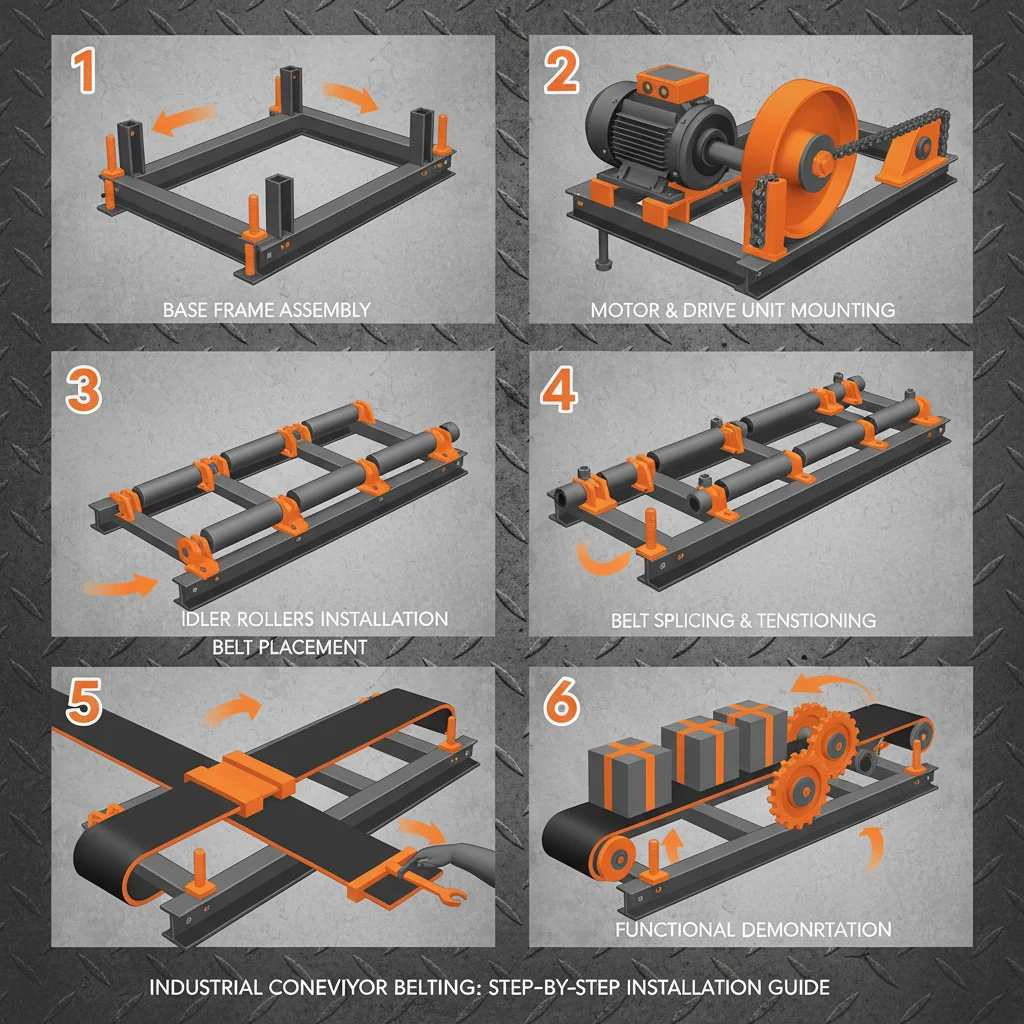
Regular maintenance is crucial. Lubricating bearings, checking belt tension, inspecting rollers and chains, and cleaning the system are all essential tasks. You also need to periodically inspect electrical connections and controls. A good preventative maintenance schedule can significantly reduce downtime and extend the life of the conveyor. Don't skimp on maintenance, trust me.
Absolutely. In fact, that's becoming increasingly common. We can integrate conveyors with PLCs, robots, sensors, and other automation equipment to create fully automated manufacturing lines. The key is to have a clear understanding of the overall system architecture and to use open communication protocols. It requires careful planning and execution, but the benefits can be substantial.
Belt misalignment is a big one. Also, bearing failure, chain breakage, motor problems, and sensor malfunctions. Jamming is common if the system isn't properly designed for the materials being conveyed. Electrical issues can also crop up. The key is to have a good troubleshooting guide and a reliable source of spare parts. And don't hesitate to call in a professional if you're stuck.
Conclusion
So, yeah, manufacturing conveyors are complex. There's a lot to consider – from materials and design to safety and maintenance. But ultimately, they're essential for modern manufacturing. They improve efficiency, reduce costs, and make everything run smoother. It’s a constantly evolving field, with new technologies and materials emerging all the time.
But at the end of the day, whether this thing works or not, the worker will know the moment he tightens the screw. And if he's cursing under his breath, we've got work to do.