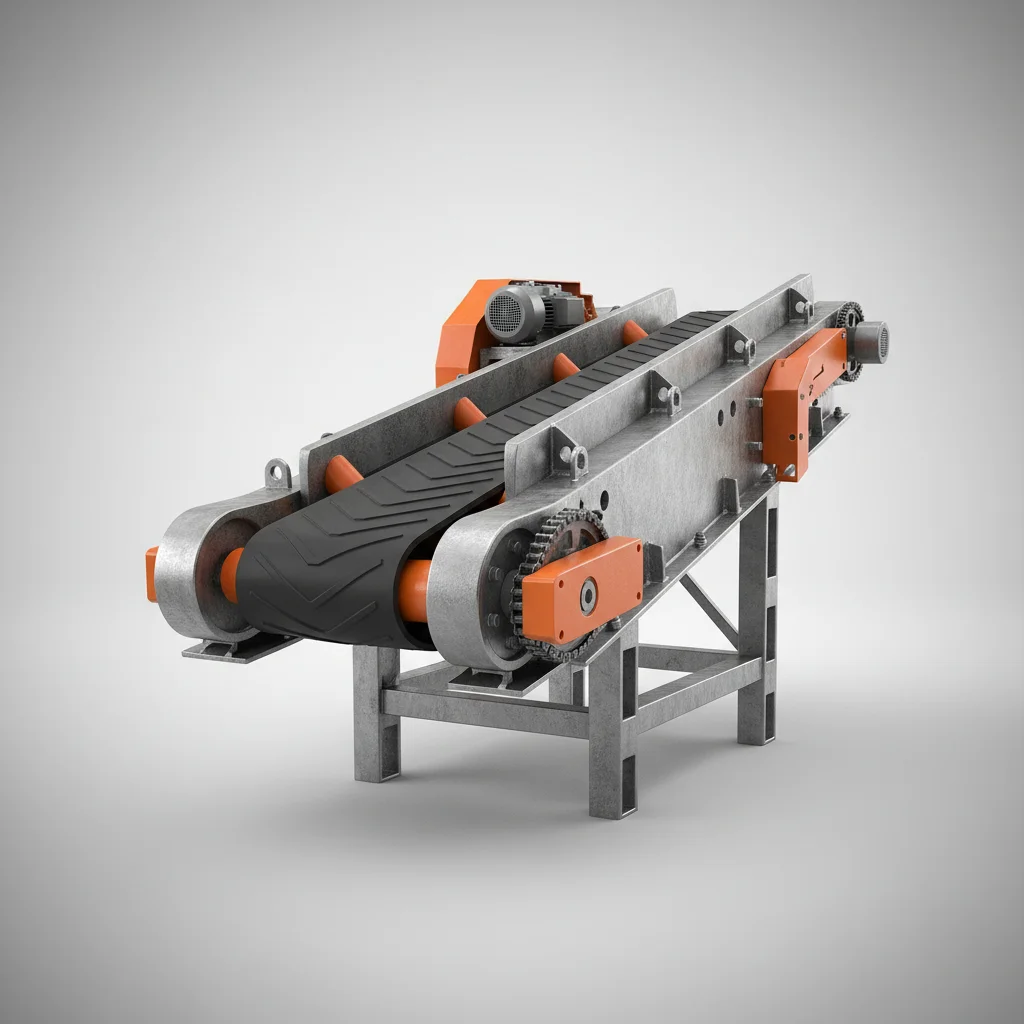
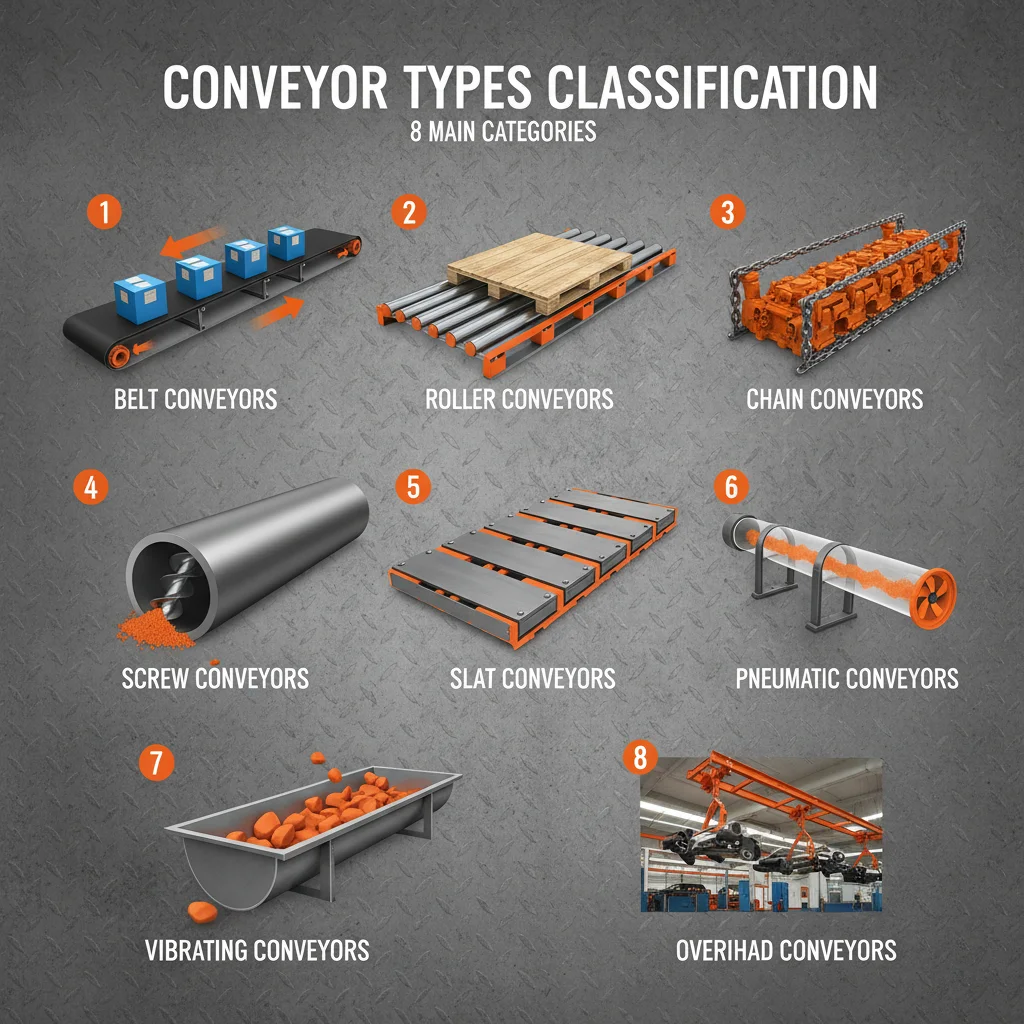
Look, conveyor belt manufacturers, right? It’s a world most folks don’t think about until something breaks down. But believe me, after a year spent mostly on dusty construction sites and in stuffy factories, you start to notice things. We’re seeing a big push for modularity now, everyone wants things that can be swapped out, reconfigured on the fly. It’s good, smart even, but it adds layers of complexity.
To be honest, I’ve seen too many designs over-engineered for some theoretical perfect scenario. They get bogged down in specs, forgetting the actual feel of the thing in a warehouse, or the grit that gets into everything on a mine site. And then you've got the guys who think they can just copy a design off Alibaba – don't even get me started on that.
It all comes down to materials, though. You want something tough, obviously. We're moving away from the really heavy-duty steel belts in some applications. Now, it’s a lot of thermoplastic polyurethanes – TPUs – and high-density polyethylene. They’ve got a slight… chemical smell when you first open the roll, but it fades. The TPU is nice and grippy, doesn't damage products like some of the older rubbers did. The HDPE feels almost waxy to the touch, really slides easily. Handling them, you learn to be careful, they can snag on things if you’re not paying attention. You really appreciate a good, properly packaged roll.
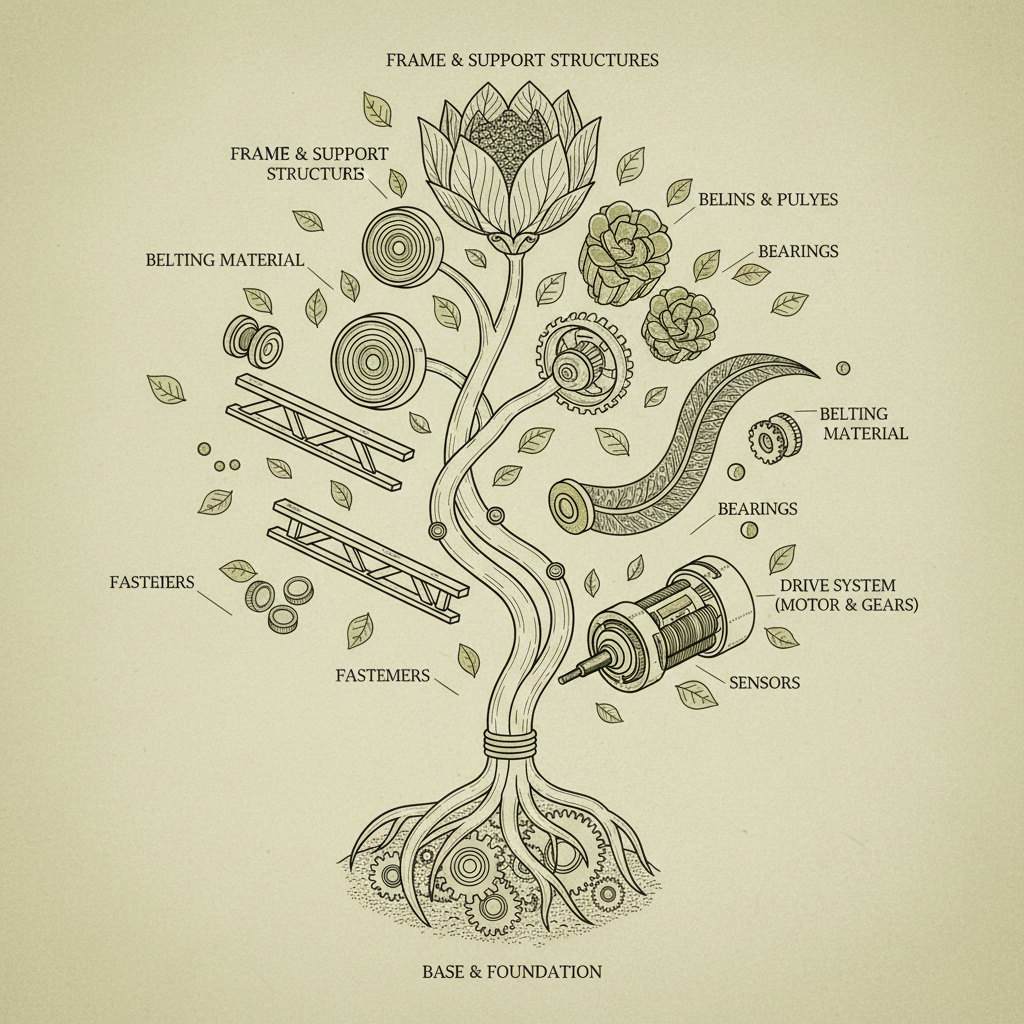
Industry Trends and Design Pitfalls
Have you noticed how everyone's talking about "smart" conveyors now? Sensors, data analytics, predictive maintenance… It’s all well and good, but I encountered this at a bottling plant last time – they spent a fortune on sensors, but the guys on the floor weren’t trained to read the data. The system was screaming about a potential jam, and they just ignored it and kept pushing the line, because “it’s always done that”. Strangely enough, it jammed.
The biggest pitfall is forgetting the environment. A belt designed for a climate-controlled warehouse isn’t going to last a week in a dusty quarry. And the other one? Overlooking the load distribution. Uneven weight stresses the belt, the rollers, the whole system. It’s basic physics, but people still get it wrong.
Materials and Handling
I mentioned the TPUs and HDPE, right? They’re the workhorses now. But don’t discount good old PVC. Still used a lot, especially where cost is a huge factor. But PVC gets brittle in the cold, and it's not as abrasion-resistant as TPU. We’re also seeing more and more fabric-reinforced belts, usually polyester or nylon. Adds strength, but it’s also harder to repair if it gets damaged. And let’s be real – things always get damaged.
Handling? Proper storage is key. Keep them out of direct sunlight, away from solvents. A torn or kinked belt is a headache you don’t need. And for the love of all that is holy, don't try to force a belt around a corner with too tight a radius – you'll stretch it, crack it, ruin it.
The smell, too. Each material has its own… personality. The rubber belts smell like tires, of course. The PVC has a slightly acrid odor, almost plastic-y. The TPU, like I said, that initial chemical whiff. It's weird, but you get used to it. It tells you what you're dealing with.
Real-World Testing and Application
Forget the lab tests. I mean, they're useful for baseline data, sure. But the real test is on the line, under real-world conditions. We don’t just run belts at a fixed speed with a fixed weight. We push them. We overload them. We let them sit in the sun. We drench them in oil. We see what breaks, and how it breaks.
You'd be surprised where these things end up. From sorting luggage at airports to moving gravel in a quarry, to handling delicate electronics in a cleanroom. The applications are endless. And each one demands a slightly different approach. For example, in food processing, you need belts that are FDA-approved and easy to sanitize. In mining, you need belts that can withstand constant abrasion and impact.
Anyway, I think what people forget is that users don't always use things the way you intend them to. I've seen guys using belts as makeshift ramps, as platforms to stand on… It's a testament to their durability, I guess, but it's not what they're designed for.
Advantages, Disadvantages, and Customization
The advantages are pretty clear: efficiency, reliability, reduced labor costs. But they’re not perfect. They need maintenance, they can break down, and they’re not always cheap to replace. A poorly maintained belt can become a safety hazard, too.
Customization is where it gets interesting. Need a belt with a specific texture to prevent products from slipping? No problem. Need a belt with cleats to move items uphill? Done. Need a belt that’s resistant to specific chemicals? We can build it. I had a client last year who needed a belt that could handle extremely hot materials – we had to use a special silicone compound, and it wasn't cheap. But it solved their problem.
conveyor belt manufacturers Performance Metrics
The Shenzhen Smart Home Story
Last month, that small boss in Shenzhen who makes smart home devices insisted on changing the interface to on a small parts conveyor – said it was more "future proof." The problem was, the existing motor and drive system were designed for the old connector. He refused to change the motor. So, we ended up having to build a custom adapter, and it was a pain. It worked, eventually, but it added cost and complexity for no real benefit.
He wanted it to look sleek. Appearance, sometimes, trumps practicality. Later… Forget it, I won't mention it.
Key Performance Indicators
We track a few key things. Belt lifespan, obviously. Downtime – how often the system is out of service. Throughput – how much product it can move per hour. And cost per unit moved. Those are the metrics that matter to the bottom line.
We also look at maintenance frequency – are we constantly patching things up, or is the system running smoothly? And safety incidents – any injuries related to the conveyor system are a major red flag.
A good conveyor belt manufacturer will provide you with detailed data on these KPIs, and will work with you to optimize the system for your specific needs.
The Bottom Line
Ultimately, whether this thing works or not, the worker will know the moment he tightens the screw. All the engineering, all the materials science, all the fancy sensors… it doesn't matter if it's not reliable in the real world.
We’re not selling belts; we’re selling peace of mind. A system that keeps running, that keeps moving, that keeps the factory humming. And that, my friend, is worth its weight in gold. So, if you’re looking for a conveyor belt manufacturer, do your research, ask the right questions, and don’t be afraid to get your hands dirty.
FAQS
In a typical warehouse, a properly maintained conveyor belt, using materials like TPU or reinforced PVC, can last anywhere from 5 to 10 years. However, this drastically depends on the load weight, operating hours, and the level of preventative maintenance performed. Regular cleaning, inspection for wear, and timely replacement of worn rollers are crucial for extending the lifespan. You'll start to see wear around the seams and splices first.
For abrasive materials like gravel or sand, you need a belt with high abrasion resistance. We generally recommend a thick TPU belt with a fabric reinforcement, like nylon or polyester. Avoid PVC in these applications, as it wears down much faster. Also, consider a belt with a raised pattern or cleats to help prevent the material from sliding and causing excessive wear. The belt's durometer—its hardness—will also affect its resistance.
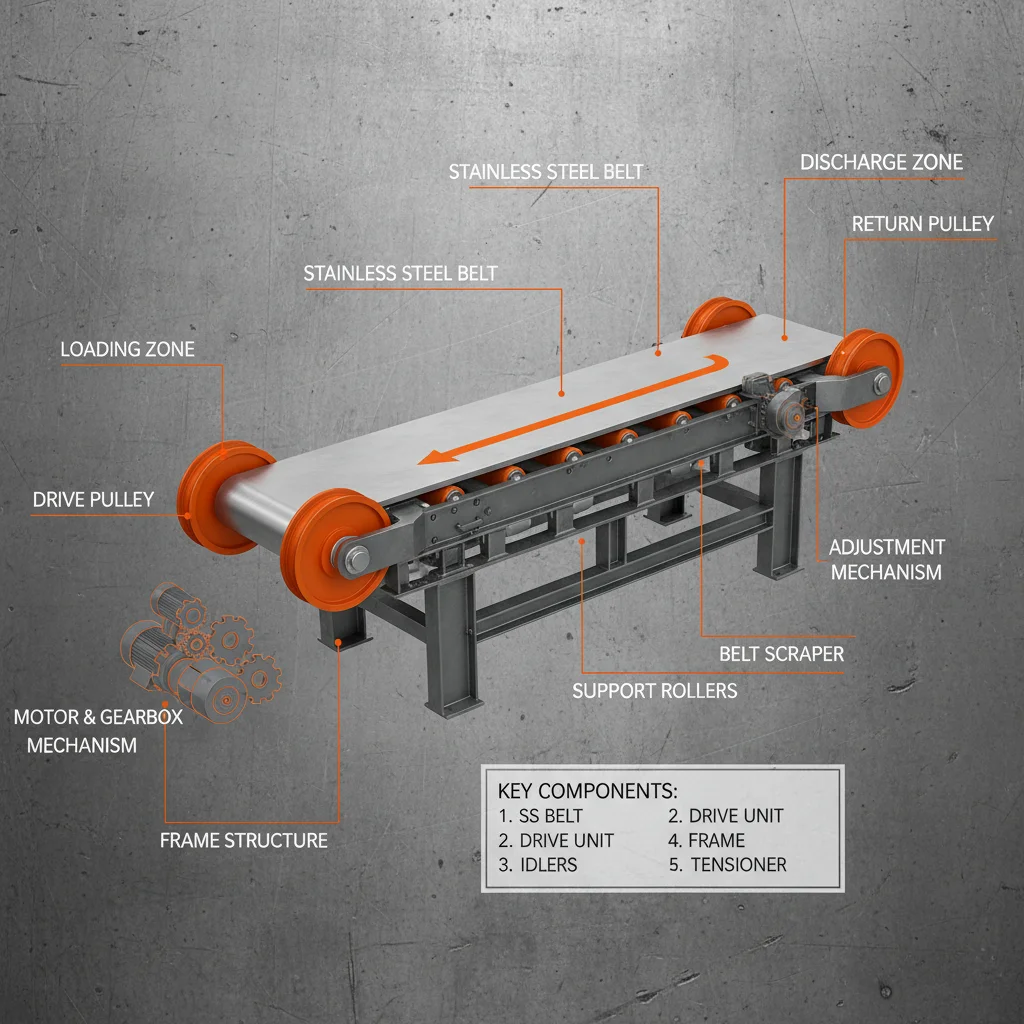
Essential maintenance includes regular cleaning to remove debris, inspecting for wear and tear (cracks, fraying, splices coming loose), lubricating rollers and bearings, and aligning the belt properly. A misaligned belt will wear unevenly and can lead to premature failure. Also, check the drive components – motors, gearboxes – for proper operation. Don't ignore unusual noises!
Absolutely. Customization is a big part of what we do. We can add cleats, sidewalls, or even custom-shaped guides to keep products from falling off the belt. We can also adjust the belt width and length to suit your specific requirements. We've even built belts with special coatings to prevent static buildup or improve grip. Just tell us your needs, and we'll figure out a solution.
Essential safety features include emergency stop buttons within easy reach of operators, guards around moving parts, and clearly marked warning labels. We also recommend installing safety switches that automatically shut down the system if a guard is removed or if a belt misaligns. Proper training for operators is crucial as well. It’s better to be safe than sorry, trust me.
While the initial investment in a conveyor belt system can be significant, the long-term cost savings are substantial. Conveyor systems reduce labor costs, increase efficiency, and minimize the risk of injuries. We typically see a return on investment within 2-3 years, depending on the scale of the operation and the cost of labor in your area. It also dramatically improves workflow and reduces bottlenecks.
Conclusion
So, conveyor belt manufacturers aren’t just selling rubber and plastic. We’re selling solutions. We’re helping businesses move things efficiently, safely, and reliably. From material selection to customization and maintenance, it’s a complex process, but one that, when done right, can make a huge difference.
The industry is changing rapidly, with a focus on modularity, automation, and sustainability. Stay informed, choose a reputable manufacturer, and don’t be afraid to ask questions. Ultimately, whether this thing works or not, the worker will know the moment he tightens the screw.