Unearthing Efficiency: The Pivotal Role of Coal Mine Conveyor Systems
In the relentless pursuit of extracting vital resources, the efficiency and safety of material handling systems stand paramount. Central to this demanding process are coal mine conveyor systems, the indispensable arteries that transport mined coal from the deepest seams to the surface, and onward to processing facilities. These systems are not merely components; they are the backbone of modern mining operations, dictating throughput, influencing operational costs, and, most critically, safeguarding personnel. The global coal industry, despite evolving energy landscapes, continues to rely heavily on advanced material handling. For instance, in 2023 alone, the world’s leading coal-producing nations collectively moved billions of tons of coal, a monumental task made feasible only through robust and highly efficient conveyor networks. Early conveyor designs, while revolutionary for their time, often grappled with limitations in capacity, speed, and durability. Today, however, engineering advancements have transformed these systems into sophisticated, integrated solutions capable of navigating complex geological conditions, enduring extreme operational stresses, and delivering unparalleled levels of performance. This evolution underscores a continuous commitment to innovation, driven by an imperative to optimize every facet of coal extraction and transportation, ensuring that these vital systems are not only robust workhorses but intelligent, adaptive technologies crucial for sustainable mining.
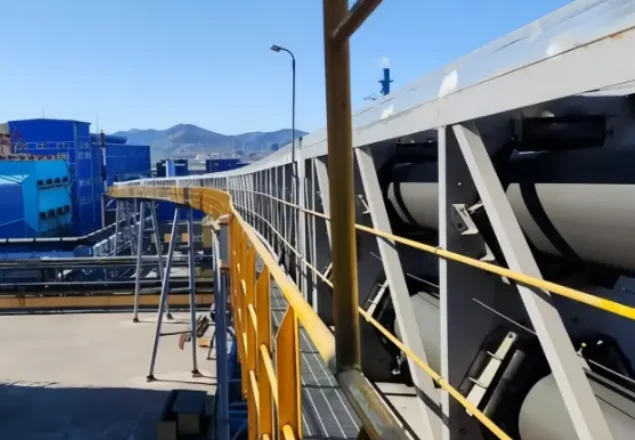
Advanced Engineering: Technical Advantages of Modern Conveyor Systems
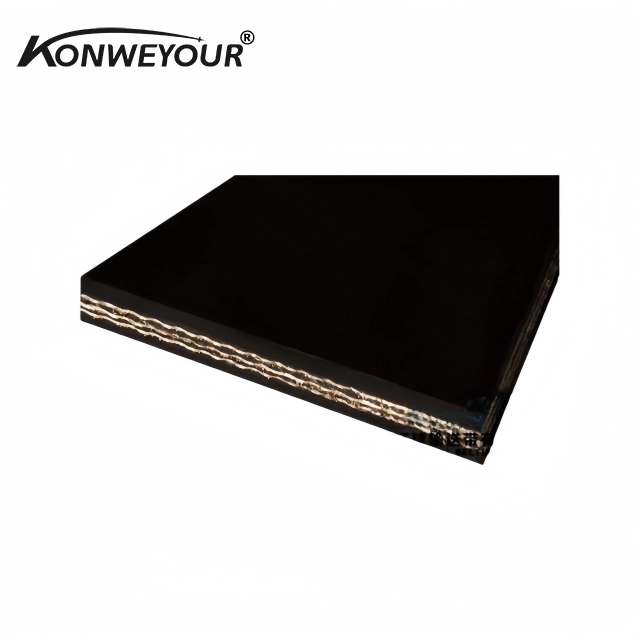
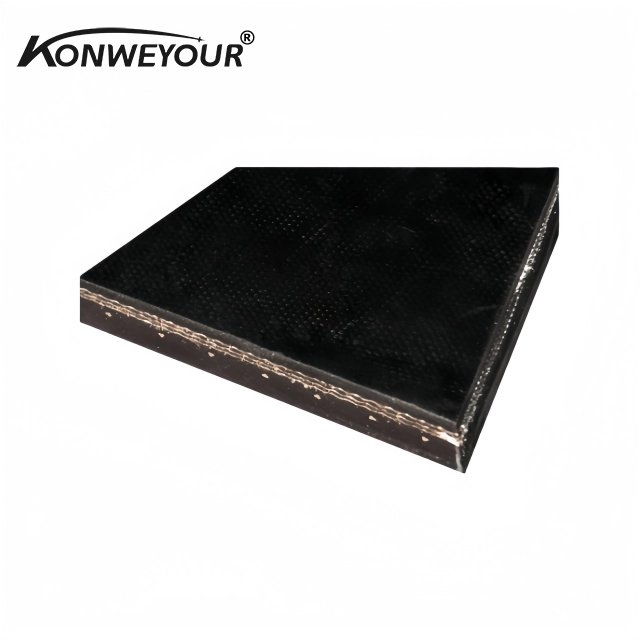
The contemporary conveyor system deployed in coal mining is a marvel of engineering, embodying a confluence of cutting-edge materials science, sophisticated automation, and intelligent design. One of the most significant technical advancements lies in the development of conveyor belts themselves. Modern belts are often multi-ply constructions, incorporating high-strength steel cords or synthetic fabrics like aramid and polyester, offering superior tensile strength, tear resistance, and extended service life even under the harshest abrasive conditions. This allows for longer single conveyor flights, reducing the need for transfer points and consequently minimizing maintenance requirements and potential failure points. Furthermore, drive systems have undergone a profound transformation. Variable Frequency Drives (VFDs) are now standard, enabling precise control over belt speed, optimizing energy consumption, and reducing mechanical wear during start-up and shutdown cycles. This not only translates to significant energy savings, often upwards of 20-30% compared to traditional fixed-speed drives, but also extends the lifespan of critical components by mitigating sudden stresses. Dust suppression systems, once rudimentary, now integrate advanced spray nozzles, fogging systems, and enclosure designs to significantly reduce airborne particulates, enhancing air quality for workers and preventing hazardous dust explosions. Integrated sensor arrays and remote monitoring capabilities, utilizing fiber optics and wireless protocols, provide real-time data on belt tension, temperature, alignment, and bearing health, facilitating predictive maintenance and minimizing unscheduled downtime. These technological leaps collectively define a new era of reliability, safety, and operational intelligence for material handling in mining environments.
Operational Impact: Enhancing Productivity and Safety in Mining
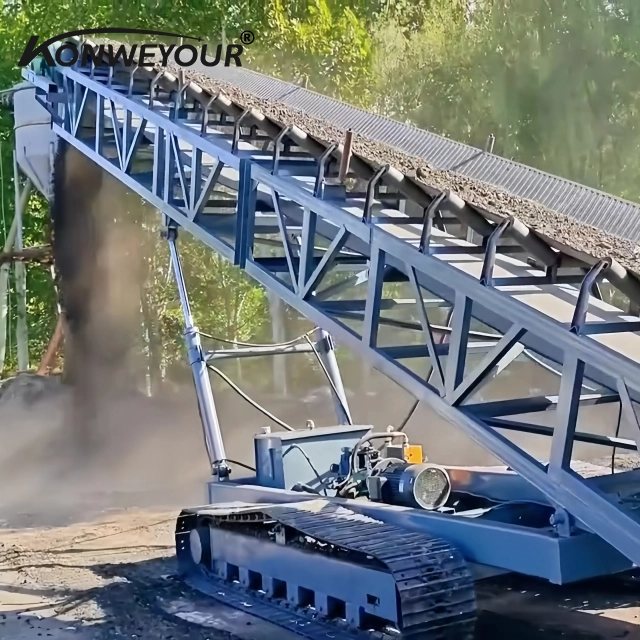
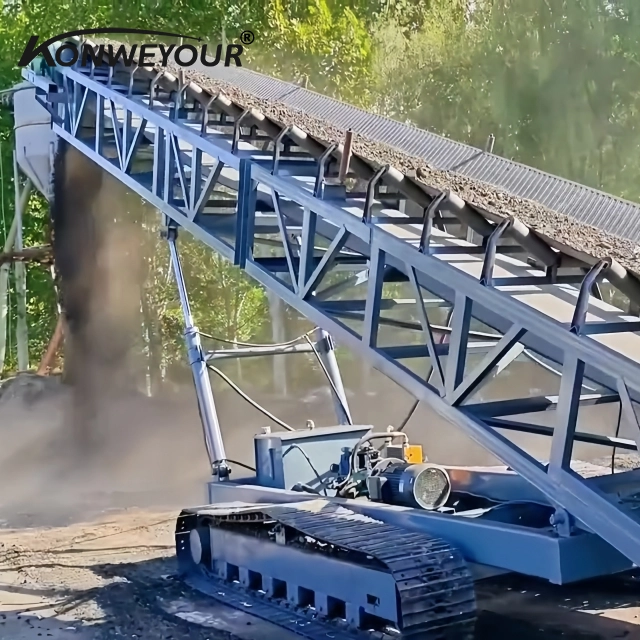
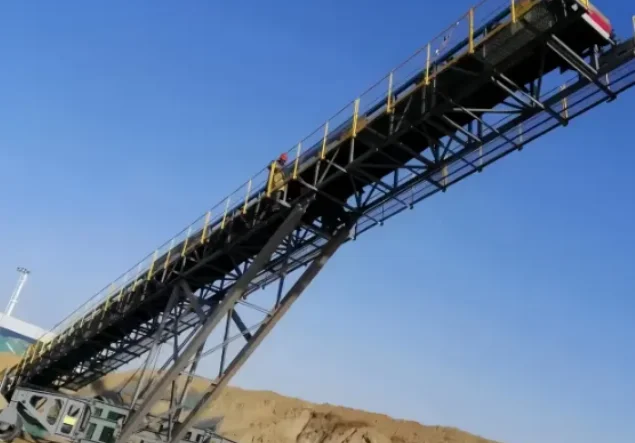
The technical sophistication of modern conveyor systems directly translates into profound operational benefits, revolutionizing both productivity and safety in coal mines. By optimizing material flow, these systems drastically reduce bottlenecks that plagued older methods, ensuring a continuous and consistent extraction rate. For instance, a well-designed conveyor network can handle capacities exceeding 5,000 tons per hour, maintaining a steady output that minimizes reliance on intermittent transport methods like trucks within the mine, which are inherently slower and more fuel-intensive. This continuous flow significantly lowers operational costs by reducing labor requirements for material movement and minimizing the fuel consumption associated with mobile equipment. Beyond sheer volume, modern conveyors also excel in navigating challenging terrains, including steep inclines up to 30 degrees and sharp curves, thanks to advancements in belt design and structural engineering. This flexibility allows for direct and efficient routes, further cutting down on transport distances and complexities. From a safety perspective, automated conveyor systems inherently reduce human exposure to hazardous areas. Integrated safety features such as emergency stop pull cords, belt sway switches, ripped belt detectors, and zero-speed sensors provide immediate responses to potential incidents, minimizing the risk of accidents. Dust control measures not only improve air quality but also significantly mitigate the risk of pulmonary diseases among miners and reduce the potential for explosive dust concentrations. Furthermore, the reduced noise levels from advanced drive mechanisms and idler designs contribute to a more ergonomic and less fatiguing work environment. Ultimately, the integration of these high-performance, safety-centric conveyor systems cultivates an environment where productivity thrives hand-in-hand with an uncompromising commitment to worker well-being.
Strategic Selection: A Comparative Analysis of Conveyor Solutions
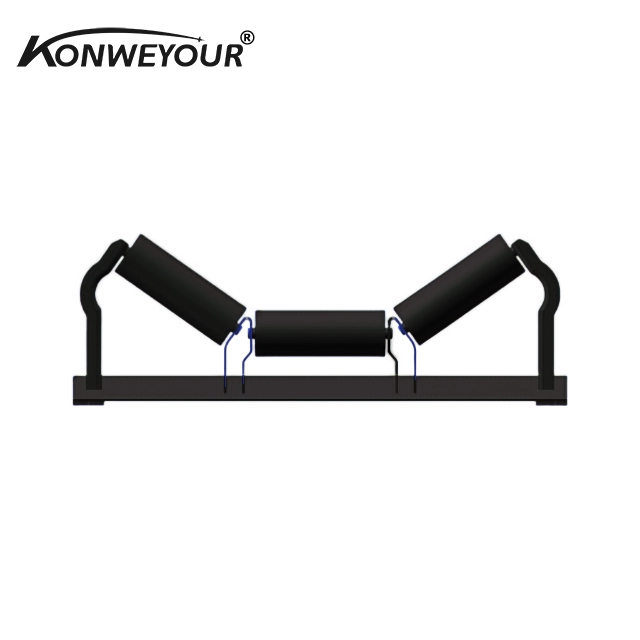
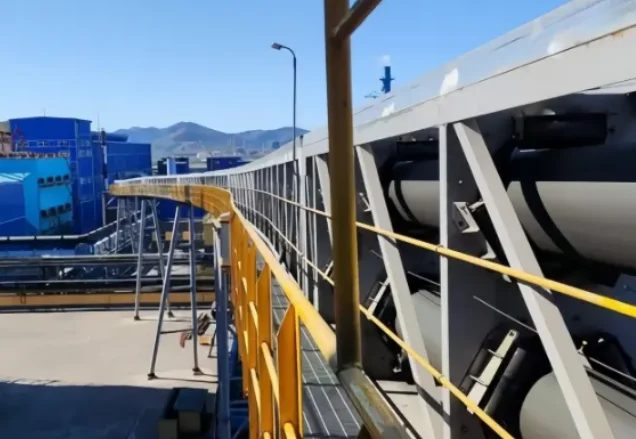
Choosing the optimal conveyor system for a coal mining operation is a critical decision that impacts long-term efficiency, safety, and profitability. The market offers a diverse range of solutions, each with specific strengths and limitations, demanding a meticulous evaluation based on mine characteristics, production targets, and budget. For instance, traditional troughed belt conveyors remain popular for their versatility and high capacity over long distances, while pipe conveyors offer superior material containment and the ability to negotiate tighter curves. Armored face conveyors (AFCs) are indispensable in longwall mining, designed to withstand extreme forces and facilitate continuous cutting. When comparing potential manufacturers or system types, several key metrics come into play, influencing the total cost of ownership and operational effectiveness. Below is a comparative overview highlighting some critical parameters:
Feature/Metric | Standard Belt Conveyor | Pipe Conveyor System | Armored Face Conveyor (AFC) |
Typical Capacity (TPH) | 500 - 10,000+ | 300 - 3,000 | 1,000 - 4,000+ |
Max Incline Angle | 18° - 22° (up to 30° with cleated belts) | Up to 30° | Horizontal (within longwall face) |
Material Containment | Good (requires skirting/covers) | Excellent (fully enclosed) | Excellent (within pan sections) |
Curve Capability | Limited (large radius) | Good (tight radius, 3D curves) | Excellent (flexible to face movement) |
Maintenance Intensity | Moderate (belt tracking, idler replacement) | Lower (fewer spillage issues) | High (heavy wear parts, chain inspection) |
Typical Lifespan (Major Components) | 10-20 years (structure), 3-10 years (belt) | 15-25 years (structure), 5-12 years (belt) | 5-15 years (pans), 1-3 years (chains/flight bars) |
Installation Complexity | Moderate | High | High (integrated with longwall) |
This comparison highlights that no single solution is universally superior; rather, the optimal choice is a function of specific operational demands. Manufacturers also differentiate themselves through after-sales support, spare parts availability, technological innovation, and adherence to safety standards. A thorough due diligence process, involving detailed technical specifications, operational cost analysis, and evaluation of vendor reputation, is essential to secure a system that provides enduring value.
Tailored Integration: Custom Conveyor Designs for Diverse Mine Environments
The inherent variability of mining environments dictates that off-the-shelf conveyor solutions are rarely sufficient. Geology, mine layout, production targets, and regulatory requirements all demand a highly customized approach to conveyor system design and implementation. Customization begins with an in-depth site assessment, analyzing factors such as the type and abrasiveness of coal, desired throughput, specific gradients, spatial constraints within underground tunnels or open pits, and prevailing environmental conditions like humidity or dust levels. This analysis informs the selection of specific belt types, for instance, employing impact-resistant belts with specialized covers for coarse, abrasive coal, or fire-resistant, anti-static (FRAS) belts mandated for underground operations to mitigate explosion risks. For mines with challenging topography, custom-engineered curved conveyors or steep-angle conveyors can eliminate the need for costly and space-intensive transfer stations, streamlining the material flow path. Similarly, in environmentally sensitive areas, fully enclosed or pipe conveyors can be designed to minimize dust emissions and prevent spillage, adhering to stringent environmental regulations. Explosion-proof electrical components, intrinsically safe sensors, and specialized guarding are integral parts of custom designs for hazardous mine environments. Beyond physical adaptations, control systems can be tailored for seamless integration with existing mine management software, offering centralized monitoring and control. This bespoke approach ensures that every element of the conveyor system, from idlers and rollers to drive units and discharge chutes, is optimized for its specific role, maximizing operational efficiency, bolstering safety protocols, and ensuring a prolonged service life within its unique operating context. The result is a highly effective, resilient, and compliant material handling solution that aligns precisely with the mine's strategic objectives.
Field Applications: Demonstrating Success in Real-World Scenarios
The efficacy of advanced conveyor systems is best demonstrated through their successful implementation in diverse and challenging coal mining operations globally. Consider a deep underground longwall mine in North America that struggled with intermittent production due to inefficient shuttle car operations. The integration of a fully automated longwall face conveyor system, complemented by a continuous high-capacity main gate belt, transformed their output. By moving from batch processing to continuous material flow, the mine witnessed an immediate 25% increase in daily tonnage extracted and a corresponding 15% reduction in operational energy consumption per ton of coal, primarily due to the elimination of stop-start cycles and optimized power utilization through VFDs. Another compelling case involves an open-pit coal mine in Australia, facing escalating fuel costs and a significant carbon footprint from its truck-haulage fleet. Implementing a series of overland belt conveyors, some spanning several kilometers and navigating undulating terrain, provided a sustainable alternative. This transition resulted in a remarkable 60% reduction in truck-related operating expenses, including fuel, tires, and maintenance, and a substantial decrease in CO2 emissions, demonstrating the environmental and economic benefits of such large-scale conveyor installations. Furthermore, in a highly gassy underground mine in Europe, the deployment of fire-resistant, anti-static (FRAS) rated conveyor belts coupled with sophisticated gas monitoring and automatic sprinkler systems significantly enhanced safety. The system’s predictive maintenance capabilities, leveraging embedded sensors and AI analytics, also reduced unplanned downtime by 30%, ensuring continuous production in a high-risk environment. These instances underscore how tailored, high-performance conveyor systems are not just theoretical advantages but practical, verifiable solutions delivering tangible improvements in productivity, cost-efficiency, and safety across the spectrum of coal mining operations, from the deep earth to vast surface excavations.
The Future Trajectory of Coal Mine Conveyor Technology
As the mining industry continues its trajectory towards greater automation, safety, and environmental stewardship, the evolution of coal mine conveyor technology remains a critical focus. The future promises even more sophisticated integration of artificial intelligence and machine learning, moving beyond predictive maintenance to prescriptive analytics that can autonomously adjust system parameters for optimal performance based on real-time data from hundreds of sensors. Imagine conveyors that self-diagnose and self-optimize their speed, tension, and power consumption based on load variations and upstream production rates, minimizing energy waste and component wear without human intervention. Further advancements in material science will undoubtedly lead to even lighter, stronger, and more durable belt materials capable of handling unprecedented capacities over even longer distances with minimal maintenance. The quest for ultra-low friction components, such as magnetic levitation systems, while still in nascent stages for heavy-duty applications, could revolutionize energy efficiency. Furthermore, with an increasing emphasis on sustainable mining practices, future conveyor systems will likely feature enhanced designs for dust and noise reduction, alongside components that are fully recyclable or manufactured from recycled materials. The integration of fully autonomous inspection drones equipped with thermal imaging and lidar will provide continuous, high-fidelity monitoring of conveyor health, detecting minor anomalies before they escalate into major failures. Ultimately, the next generation of coal mine conveyors will be characterized by their intelligence, resilience, and adaptability, ensuring they continue to serve as the silent, indispensable workhorses enabling safe, efficient, and environmentally responsible resource extraction for decades to come, constantly redefining the benchmarks of operational excellence in the mining sector.
Frequently Asked Questions about Coal Mine Conveyor Systems
Here are some common questions regarding conveyor systems in coal mining:
Q1: What is the primary function of a coal mine conveyor system?
A1: The primary function is to transport mined coal efficiently and continuously from the excavation face to processing facilities or surface stockpiles, minimizing manual handling and optimizing throughput.
Q2: How do modern coal mine conveyors enhance safety?
A2: Modern conveyors incorporate advanced safety features such as emergency stop systems, belt sway switches, ripped belt detectors, comprehensive dust suppression, and intrinsically safe electrical components, significantly reducing risks for personnel.
Q3: What types of conveyor belts are typically used in coal mines?
A3: Common types include multi-ply rubber belts with steel cord or synthetic fabric reinforcement, often with fire-resistant, anti-static (FRAS) properties for underground applications, and specialized covers for abrasion resistance.
Q4: Can coal mine conveyors be customized for specific mine conditions?
A4: Absolutely. Conveyor systems are highly customizable to address factors like mine layout (e.g., curved or steep-angle conveyors), coal type (e.g., impact-resistant belts), and environmental regulations (e.g., fully enclosed systems for dust control).
Q5: What are the main advantages of using Variable Frequency Drives (VFDs) in conveyor systems?
A5: VFDs offer precise control over belt speed, leading to significant energy savings (up to 30%), reduced mechanical wear during start-up and shutdown, and improved operational flexibility and efficiency.
Q6: How do smart monitoring systems contribute to conveyor maintenance?
A6: Smart monitoring systems utilize sensors and analytics to provide real-time data on conveyor health (e.g., belt tension, temperature, alignment), enabling predictive maintenance, reducing unplanned downtime, and extending component lifespan.
Q7: What is the expected lifespan of a typical coal mine conveyor system?
A7: The lifespan varies by component; structural elements can last 15-25 years, while belts typically last 3-10 years depending on operational intensity and maintenance, with specific wear parts requiring more frequent replacement.