Line Shaft Conveyor Parts: Essential Components Driving Industrial Efficiency
If you've ever wondered what keeps industrial belt conveyors moving smoothly and reliably, a deep dive into line shaft conveyor parts offers answers. These often-overlooked components form the mechanical backbone of many conveyor systems worldwide—critical for moving goods in warehouses, manufacturing plants, and even humanitarian logistics. Globally, conveyor systems touch nearly every sector, impacting productivity and safety. Understanding their parts is, frankly, more important than it sounds because better parts mean less downtime, reduced costs, and increased sustainability.
Introduction: Global Context and Rising Demand
According to the International Organization for Standardization (ISO), conveyor systems account for a significant portion of material handling equipment worldwide, with industry usage growing approximately 4-5% annually. In regions like Asia-Pacific and North America, expanding manufacturing hubs intensify demand for reliable conveyors. Yet, a common challenge prevails: how to optimize these systems for longevity and efficiency? At the heart of many solutions lie line shaft conveyor parts, components that marry simplicity with robustness to tackle this challenge head-on.
Oddly enough, while automation buzzes around advanced robotics, these mechanical parts quietly ensure that everything moves seamlessly behind the scenes—keeping supply chains unbroken and factories humming.
What Are Line Shaft Conveyor Parts?
Simply put, line shaft conveyor parts are the set of mechanical components that drive the roller shafts beneath a conveyor belt without individual motors on each roller. Instead, a centrally located motor powers a rotating shaft running parallel below the rollers. This shaft transfers torque using drive sleeves and springs to turn each roller, moving the belt and the materials on it.
This system harks back to early industrial machinery but remains remarkably relevant today, blending efficiency with cost-effectiveness. Its design also supports rapid setup and maintenance, often essential in humanitarian logistics and industries operating in remote locations.
Key Components of Line Shaft Conveyor Systems
1. Drive Shaft
The backbone transmitting power along the conveyor length. Usually made of hardened steel, this shaft must be precisely aligned and balanced to avoid vibrations that impair performance.
2. Drive Sleeves
Fitted around the shaft, these sleeves grip the roller to transfer motion via friction. Materials here vary but typically include resilient rubber compounds that balance grip with minimal wear over time.
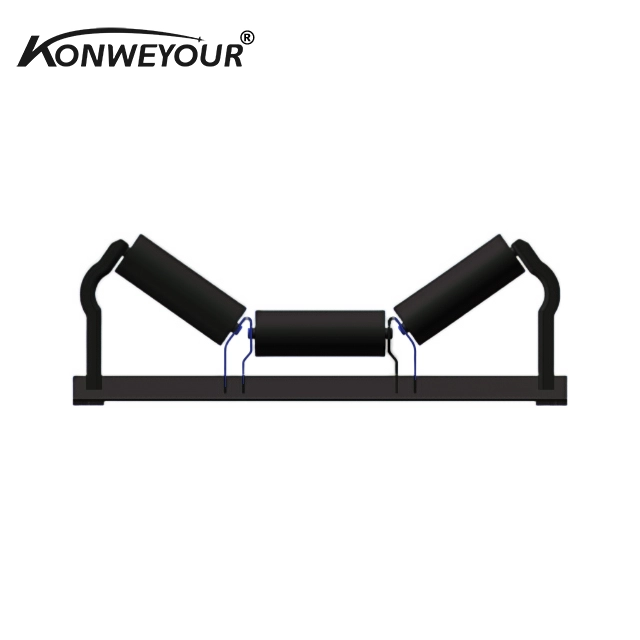
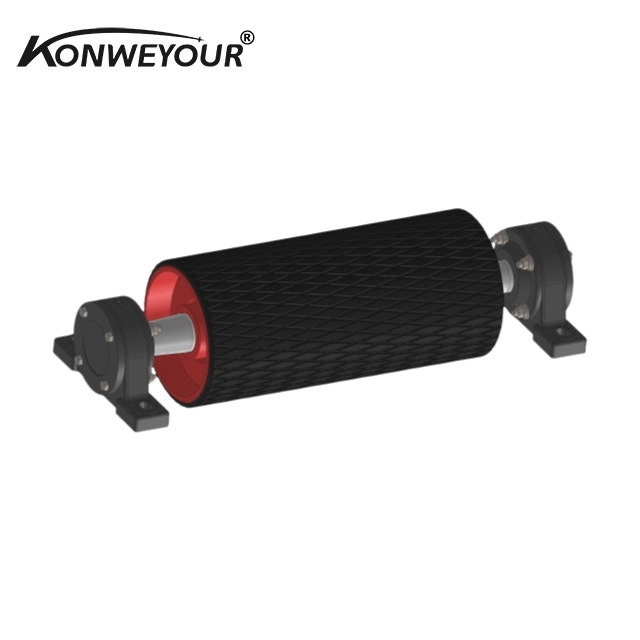
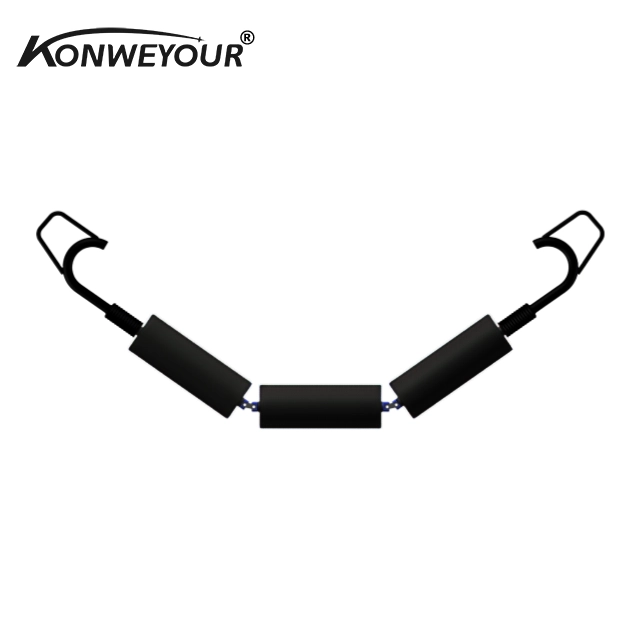
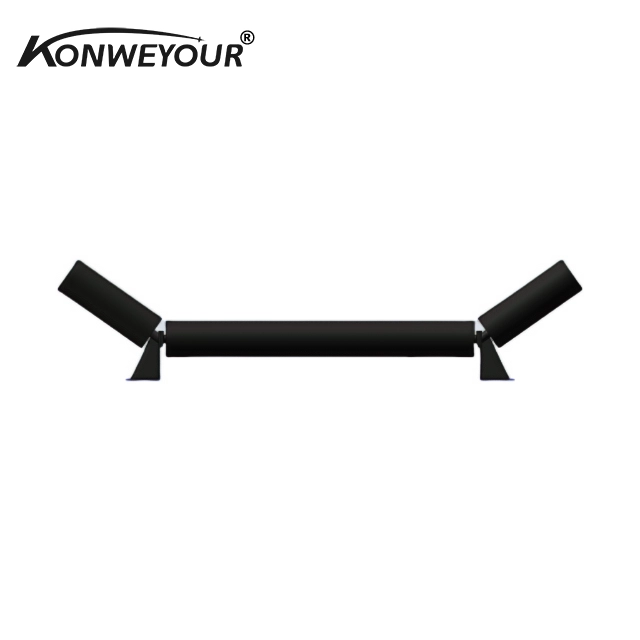
3. Rollers
These workhorses support and guide the conveyor belt. Line shaft conveyors use lightweight, durable rollers designed for low friction and easy replacement.
4. Springs
Special torsion springs press the drive sleeves against the rotating shaft, ensuring a consistent grip even under load changes or belt tension shifts.
5. Bearings & Mounts
Crucial for smooth rotation, quality bearings reduce friction and handle axial and radial loads, extending component lifespan.
6. Drive Motor & Gearbox
Situated at one end, the motor provides rotational power modulated by a gearbox. Choice of motor influences conveyor speed and torque, affecting throughput and energy consumption.
Typical Line Shaft Conveyor Part Specifications
| Component |
Material |
Key Feature |
Lifespan (Typical) |
| Drive Shaft |
Hardened Steel |
Precision-balanced to minimize vibration |
10+ years |
| Drive Sleeves |
Rubber Compounds |
Effective friction transfer with wear resistance |
3-5 years |
| Rollers |
Aluminum or Steel |
Low friction bearings, easy replacement |
5-7 years |
| Springs |
High tensile Steel |
Maintains constant drive sleeve pressure |
5+ years |
| Bearings |
Steel (sealed) |
Low friction, supports axial/radial loads |
5-10 years |
Global Applications & Use Cases of Line Shaft Conveyor Parts
These parts are everywhere—from the sprawling manufacturing plants in Germany's Ruhr region to the mining operations in South Africa. Industries depend on these conveyors for efficient, continuous material transport. For example, in agricultural processing in Brazil, line shaft conveyors help move grains without requiring excessive energy input or complex automation.
In humanitarian contexts, organizations use conveyors equipped with line shaft parts at relief distribution centers or temporary warehouses, where simplicity and fast deployment trump complicated technology. This proves especially useful in remote or disaster-affected zones in Southeast Asia or sub-Saharan Africa.
Advantages & Long-Term Value
- Cost Efficiency: Fewer motors and centralized drive means lower initial investment and maintenance expenses, especially vital for smaller companies or NGO operations.
- Reliability: Fewer electrical components translate to fewer points of failure, ensuring smooth operation even in harsh environments.
- Sustainability: Lower energy use and longer-lasting mechanical parts contribute to greener operations, aligning with ISO standards on environmental management.
- Safety & Dignity: Simplified equipment reduces the risk of accidents and downtime, safeguarding workers and preserving the flow of goods crucial to community well-being.
Future Trends & Innovations
What’s next for line shaft conveyor parts? Many manufacturers are experimenting with composite materials for drive sleeves to boost wear resistance and reduce noise. Integration with smart sensors is also underway—enabling predictive maintenance that flags wear or misalignment before failure occurs.
Moreover, green energy solutions like solar-powered motors paired with efficient line shaft setups are gaining traction in off-grid locations. The fusion of digital transformation and traditional mechanics promises to enhance operational transparency and agility.
Challenges & Solutions
While line shaft conveyors are efficient, they aren’t perfect. Challenges include manual tensioning of springs, wear on drive sleeves requiring periodic replacement, and limited speed flexibility compared to fully motorized roller systems. However, many operators now use automatic spring tensioners and modular sleeve designs to ease maintenance.
An insightful approach involves hybrid conveyors combining line shaft mechanics with localized motor drives—capturing advantages from both worlds. Plus, ongoing R&D focuses on polymer sleeves with enhanced gripping, which improves energy efficiency and reduces part replacement frequency.
Vendor Comparison: Leading Line Shaft Conveyor Parts Suppliers
| Vendor |
Material Quality |
Customization Options |
After-sales Support |
Typical Lead Time |
| JT Conveyor |
High-grade steel & industrial rubber |
Custom sleeves and shaft diameters |
24/7 technical support, global shipping |
2-3 weeks |
| ConveyCo |
Standard industrial steel |
Limited options |
Business hours only |
4-6 weeks |
| MoverTech |
Advanced composites for sleeves |
Custom engineering solutions |
On-site support available |
3-4 weeks |
FAQ: Frequently Asked Questions About Line Shaft Conveyor Parts
- What makes line shaft conveyor parts more cost-effective than motorized rollers?
-
Line shaft systems use a single motor to drive multiple rollers, reducing the number of motors needed. This lowers purchase costs and ongoing energy use, making them ideal for applications where moderate speeds and loads are common.
- How often should drive sleeves be replaced for optimal operation?
-
Typically, drive sleeves last between 3 to 5 years, depending on usage and load conditions. Signs of wear include slipping or noise. Regular inspections help prevent unexpected downtime.
- Can line shaft conveyor parts be customized for different industries?
-
Absolutely. Vendors like JT Conveyor offer customizable sleeves, shafts, and springs tailored to specific load requirements, environments, and belt types.
- Are line shaft conveyors suitable for rugged environments?
-
Yes. Their mechanical simplicity means fewer electronic parts to fail. With proper materials and maintenance, they perform well even in dusty, humid, or temperature-variable conditions.
- How do I ensure compatibility of new parts with existing conveyor systems?
-
Careful measurement of shaft diameters and roller spacing is key. Most reputable suppliers provide consultation and customization to fit legacy systems, reducing costly modifications.
Conclusion: The Long-Term Benefits of Line Shaft Conveyor Parts
From cost savings to sustainability to reliable performance, line shaft conveyor parts offer undeniable value across industries and geographies. They’re not glamorous, but they’re indispensable. For businesses and organizations seeking durable, efficient material handling solutions, investing in quality parts and smart maintenance pays off over time. If you’re curious about enhancing your conveyor systems, check out JT Conveyor’s line shaft conveyor parts—where engineering experience meets practical innovation.
Quick takeaway: In a world increasingly hungry for efficiency and reliability, line shaft conveyor parts quietly keep industries moving forward—literally.
References
- International Organization for Standardization (ISO)
- Conveyor System - Wikipedia
- World Bank Industry and Manufacturing Statistics