Automated Conveyor Systems Parts: The Backbone of Modern Industrial Efficiency
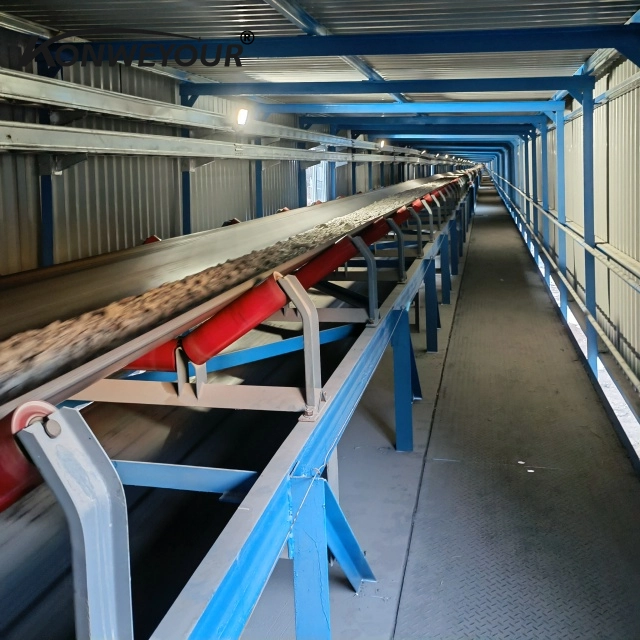
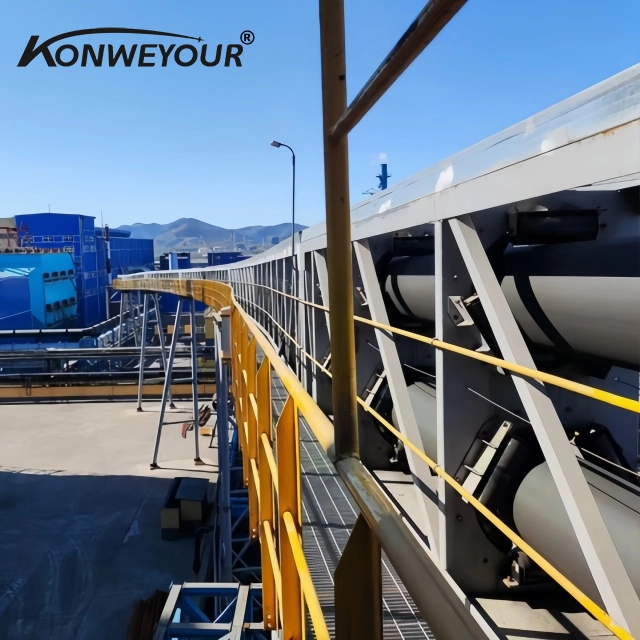
Having spent years in the industrial equipment sector, I can tell you that automated conveyor systems parts are often the unsung heroes behind smooth factory operations. You rarely see them steal the spotlight, but try running a packaging or assembly line without reliable conveyor components—it’s a whole different story. Automated conveyor systems parts keep everything moving literally and figuratively.
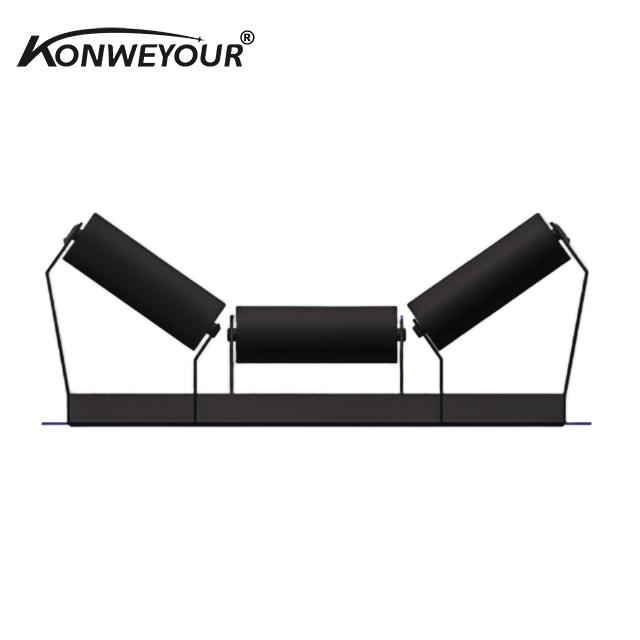
In my experience, the quality, design, and compatibility of these parts can make or break your production efficiency. I remember a plant I consulted for once; they kept experiencing mysterious jolts and delays. Turned out the conveyor rollers weren’t up to the speed and load specs. Swapping them out improved throughput by nearly 15%—not small change. It feels like conveyor parts are one of those investments you overlook until they stop working perfectly, and then they’re suddenly critical.
Nowadays, trends in conveyor systems focus heavily on customization and smart integration. You know, sensors embedded right into the rollers or belts that alert maintenance teams before a failure hits. It’s almost like these parts are gaining a brain of their own. Materials have also evolved, from ordinary steel and nylon to ultra-durable thermoplastics and corrosion-resistant alloys—important if your environment is harsh or humid.
Testing standards have tightened, too. Parts must endure rigorous stress and endurance trials; otherwise, they just won’t last in demanding industrial settings. I recall many engineers stressing over the tension specs in belts or the torque capacity in motors, since even a small mismatch throws the whole line off balance.
In real terms, when sourcing automated conveyor parts, you want several factors considered: load capacity, speed compatibility, material corrosion resistance, ease of installation, and maintainability. Basically, it’s not just about a ‘fit’ but about how seamless and trouble-free the integration will be over the system’s life cycle.
Here’s a quick overview table showing some common specs for key conveyor components:
| Component |
Material |
Load Capacity |
Speed Range (ft/min) |
Common Use |
| Rollers |
Steel / Nylon |
Up to 1000 lbs |
20 - 300 |
Package Transport |
| Belts |
PVC / Thermoplastic |
Varies by width/thickness |
10 - 500 |
Assembly Lines |
| Motors |
Electric - Metal casing |
Based on HP rating |
Variable |
Drive System |
| Sensors |
Steel / Plastic housings |
N/A |
Instantaneous |
Line Monitoring |
Choosing your vendor is, frankly, just as crucial as choosing the parts themselves. Some suppliers offer more customization options but carry longer lead times. Others might be cheaper but come with minimal support. I compiled a side-by-side comparison of three well-known conveyor parts vendors, based on my years digging into product lines and talking to clients:
| Vendor |
Customization |
Lead Time |
Support |
Price Range |
| JT Conveyor |
Extensive, including bespoke designs |
2-4 weeks |
24/7 technical support |
Mid to High |
| Generic Conveyor Co. |
Limited to standard products |
1-2 weeks |
Business hours only |
Low to Mid |
| Premium Parts Inc. |
Moderate with some custom options |
3-5 weeks |
Extended support plan available |
High |
One of the reasons I often recommend JT Conveyor is their blend of quality, customization, and support—you get real partners, not just a parts supplier. I recently worked with a client who needed a special corrosion-resistant roller for an outdoor facility. JT Conveyor not only shipped the part quickly but provided detailed installation guidance and preventive maintenance tips. That kind of hands-on expertise really sticks with you.
At the end of the day, automated conveyor systems parts are all about reliability and longevity. You want a system that’s easy to maintain, adaptable to changing production needs, and backed by a solid team you can trust. It might feel a little behind-the-scenes, but in real terms, your conveyor parts often define your production line’s heart rate.
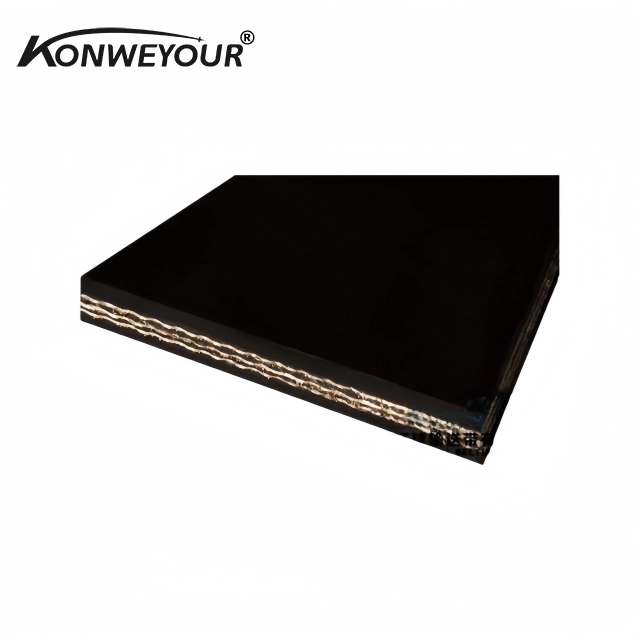
So, if you’re considering an upgrade or a rebuild, I’d say start by looking closely at your component specs and vendor support. And remember: the devil is often in the details. Those small nuances in roller hardness or belt weave can save you hours of downtime and headaches.
After all, I suppose that’s why this sector keeps evolving—because every plant wants their conveyor line humming smoothly, day in and day out.
References:
- Industrial Conveyor Design Principles, Machinery Maintenance Journal, 2022
- JT Conveyor Product Catalog and Technical Spec Sheets, 2023
- Industry Roundtable on Conveyor System Reliability, Manufacturing Today, 2023