Magnetic Corrugated Sidewall Rubber Conveyor Belt: field notes from the steep-incline trenches
I’ve spent enough time around quarries, scrap yards, and steel mills to know that gravity is the rudest foreman on site. Which is why the
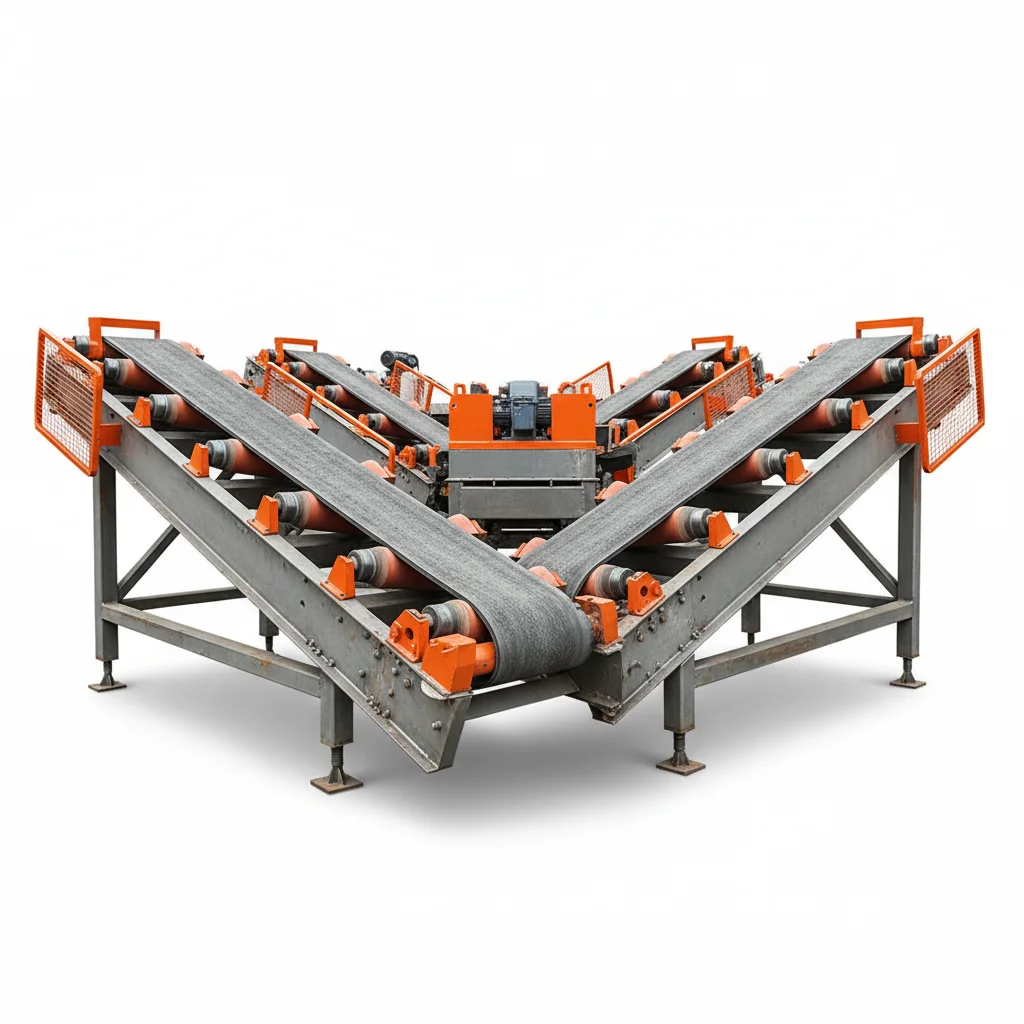
Magnetic Corrugated Sidewall Rubber Conveyor Belt
has been getting real, non-gimmicky attention lately. It grips, it climbs, it keeps ferrous fines from wandering. And—surprisingly—the maintenance crews don’t hate it.
Made in No. 13 Gongqiang Road, Nangong Economic Development Zone, Xingtai City, Hebei Province, this belt is purpose-built for steep angles and tight footprints. The magnetic sidewalls add retention for ferrous material flow, which, to be honest, is where a lot of belts lose their lunch. In fact, many customers say the spillage reduction alone pays back the upgrade in a season.
Where it shines
- Mining and quarrying: ore, aggregates, overburden on 35°–90° paths.
- Metals recycling: shredded scrap, turnings, ferrous fines—less rollback.
- Steel and foundry: sinter, pellets, mill scale; hot-service options available.
- Chemicals and fertilizers: where containment and steep elevation matter.
- Ports and terminals: confined transfer towers and retrofits.
How it’s built (short version)
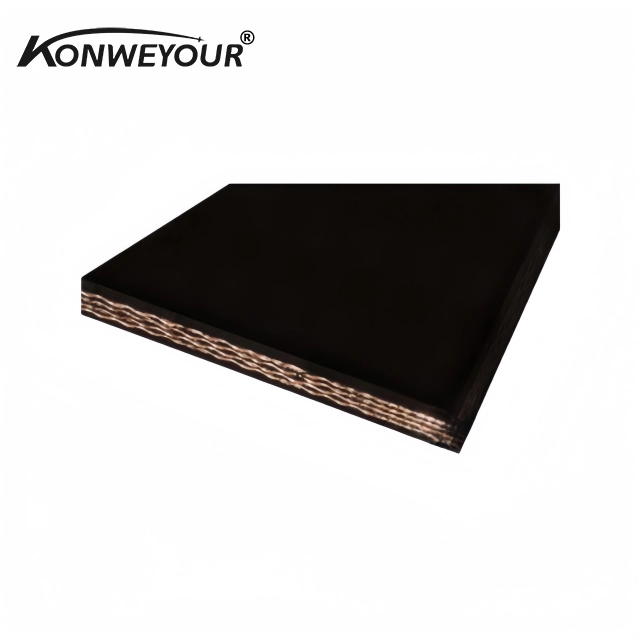
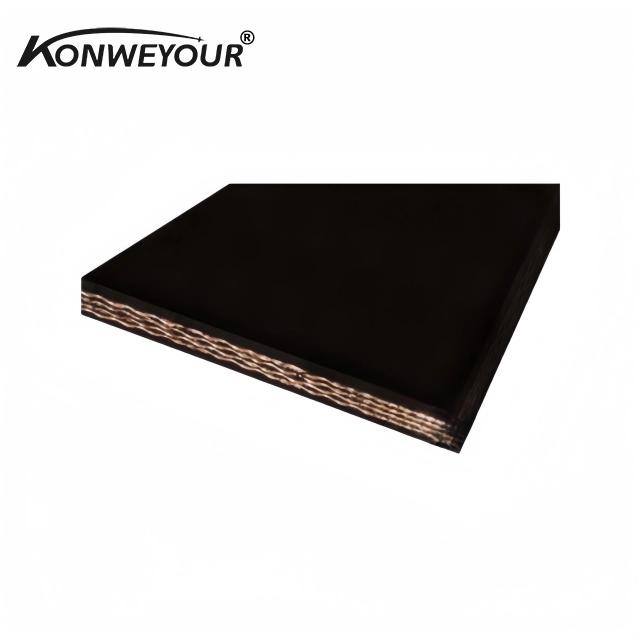
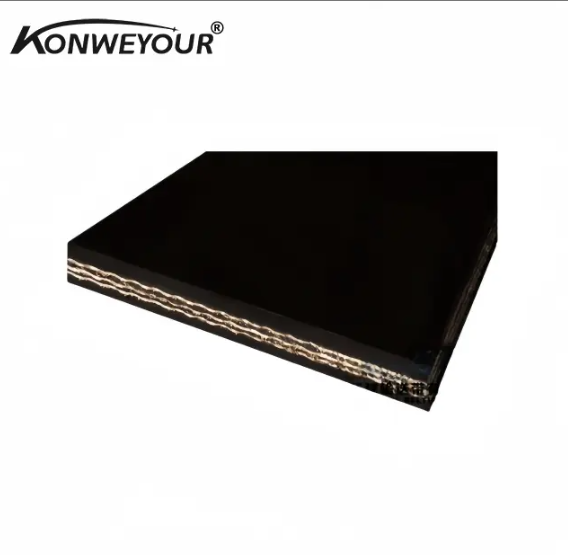
Materials: wear-resistant rubber cover (anti-cut/abrasion), EP or NN fabric carcass or steel cord core; corrugated sidewalls and cleats; integrated magnetic inserts at the sidewalls.
Methods: precision compounding and calendering; hot vulcanization bonding of sidewalls/cleats; magnetic element placement and sealing; final curing in press; edge sealing for moisture ingress control.
Testing: tensile per ISO 283, abrasion per ISO 4649, adhesion per ISO 252, flame resistance (when specified) per EN 14973, cover grade per ISO 14890; flux density spot-checks with calibrated gauss meters.
Product specs (typical, real-world use may vary)
| Parameter |
Typical Value |
Notes |
| Belt width |
400–2000 mm |
Custom widths on request |
| Tensile strength |
EP 160–1000 N/mm; ST 630–2000 |
Fabric or steel-cord options |
| Sidewall height |
60–280 mm |
Corrugated, hot-bonded |
| Magnetic flux density |
≈0.15–0.35 T |
At sidewall zone; application-driven |
| Cover abrasion (ISO 4649) |
≤120 mm³ |
Down to ≤90 mm³ for heavy wear |
| Operating angle |
Up to 90° |
Dependent on material properties |
| Temperature |
-25°C to +80°C (up to +120°C) |
Heat/ oil/ flame-resistant grades available |
Why operations teams like it
- Less spillage and rollback—magnetic sidewalls help “hold” ferrous loads.
- Higher throughput on steep climbs; fewer transfer points.
- Robust hot-vulcanized bonds; predictable service life ≈3–8 years depending on duty.
- Simplified housekeeping (and safer walkways), which EHS folks quietly love.
Vendor snapshot (indicative)
| Vendor |
Core strength |
Sidewall bonding |
Certs |
Lead time |
Customization |
| JT Conveyor |
EP/ST wide range |
Hot vulcanized |
ISO 9001/14001 |
≈2–5 weeks |
High (flux, cleats, covers) |
| Vendor A |
EP only |
Mechanical + heat |
ISO 9001 |
≈4–6 weeks |
Medium |
| Vendor B |
ST focus |
Hot vulcanized |
ISO 9001, EN 14973 options |
≈3–7 weeks |
Medium–High |
Note: based on public brochures and buyer feedback; verify current data before sourcing.
Field results (quick bites)
- Hebei steel mill retrofit: spillage down ≈43%, cleanup labor cut by a third, according to the maintenance lead.
- Open-pit copper mine: sidewall height 160 mm, EP 800 carcass—reported 22% fewer unplanned stops over 9 months.
Customization menu
Flux density tuning for specific ferrous mixes, cleat profiles (T, C, or custom), heat/flame/oil-resistant covers, anti-static builds, plus special pulleys and skirts that play nicely with the Magnetic Corrugated Sidewall Rubber Conveyor Belt. If your incline or bulk density is quirky, say so early.
Compliance, data, and peace of mind
Typical certificates include ISO 9001 and ISO 14001; optional EN 14973 (flame), antistatic per ISO 284. Lab sheets usually show tensile per ISO 283 and abrasion per ISO 4649; ask for adhesion (ISO 252) and any magnetic QA logs. For critical sites, I’d also request third-party witness testing—belt audits catch small issues before they become downtime.
Bottom line
The Magnetic Corrugated Sidewall Rubber Conveyor Belt is not magic—just smart engineering for steep, messy duty. If you’re hauling ferrous material uphill and are tired of brooms and shovels, this is a pragmatic upgrade.
- ISO 14890: Conveyor belts — Specification for rubber- or plastics-covered conveyor belts of textile construction.
- ISO 4649: Rubber, vulcanized or thermoplastic — Determination of abrasion resistance.
- ISO 283: Textile conveyor belts — Full-thickness tensile strength, elongation at break and elongation at the reference load.
- ISO 252: Conveyor belts — Adhesion between constitutive elements.
- EN 14973: Conveyor belts for use in underground installations — Electrical and flammability safety requirements.
- CEMA: Belt Conveyors for Bulk Materials, 7th Ed. (best-practice reference).