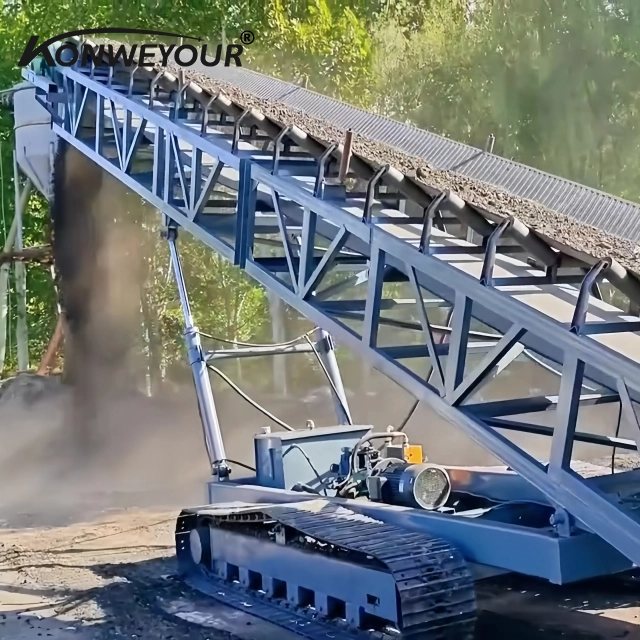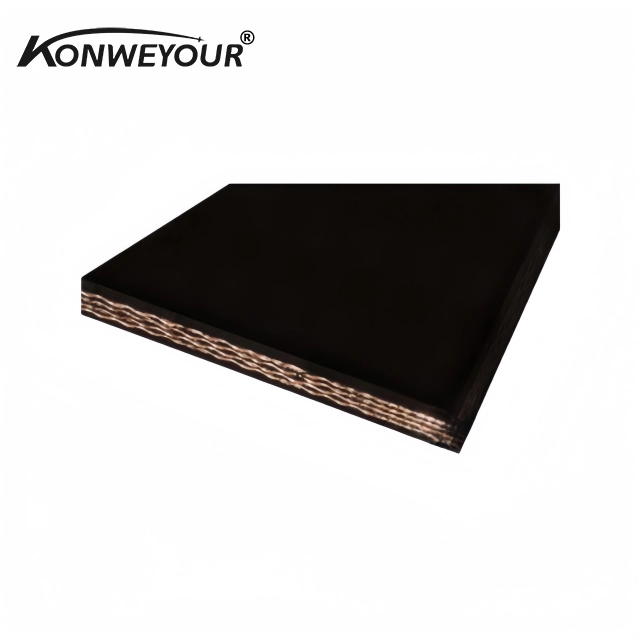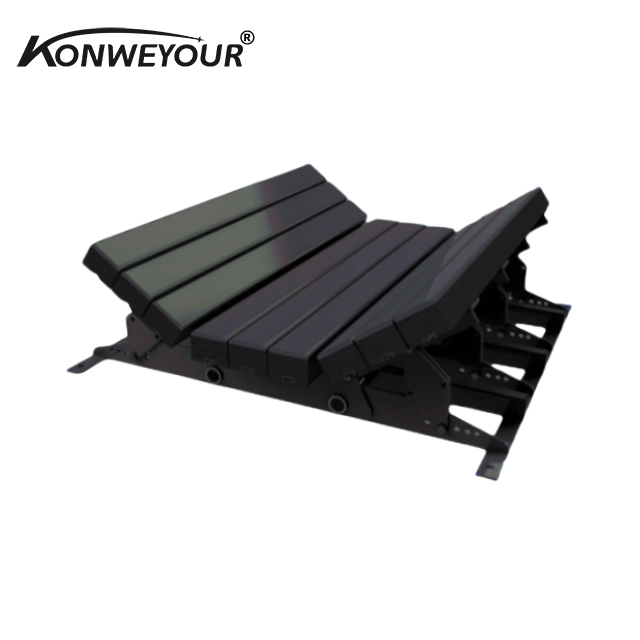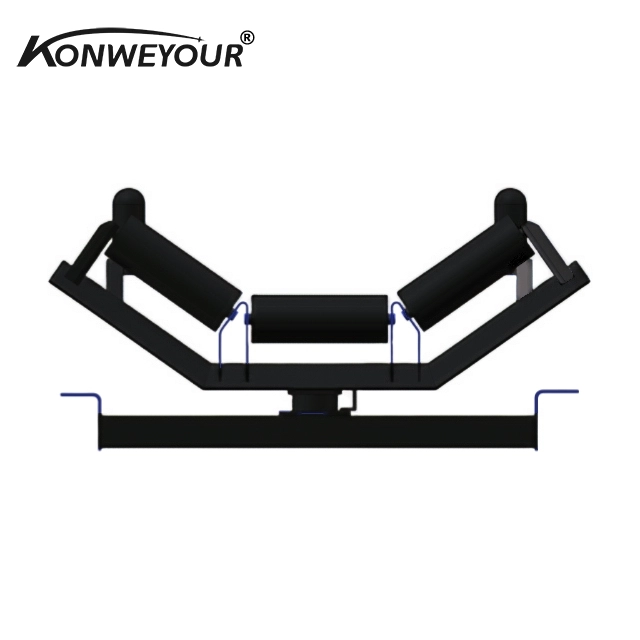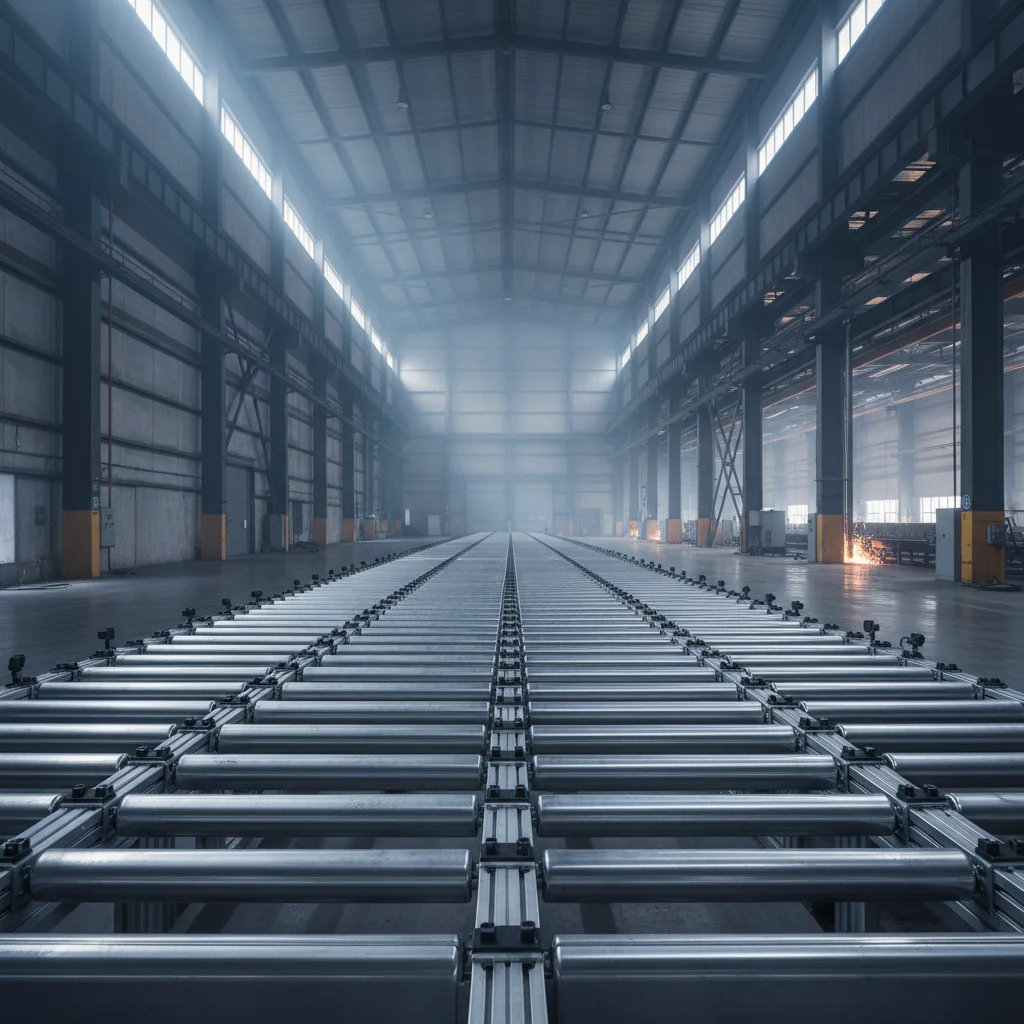
Maintaining an efficient conveyor system is critical for smooth operations in warehouses, distribution centers, and manufacturing facilities. A key component often overlooked until failure is the humble conveyor roller. When rollers start to wear, slowing down, or becoming noisy, selecting the right replacement conveyor rollers is paramount. This article will explore the importance of choosing quality rollers, different types available, factors to consider during selection, and how JT Conveyor can help optimize your system. A properly functioning conveyor system can significantly reduce downtime and improve productivity. Worn or damaged conveyor rollers can lead to a cascade of problems. They increase friction, putting a strain on motors and belts, leading to premature wear and potential system failures. This translates directly into costly downtime, reduced throughput, and increased maintenance expenses. Regular inspection and timely replacement conveyor rollers are a proactive maintenance strategy that prevents these issues and keeps your operation running smoothly. Identifying the signs of wear – such as unusual noises, difficulty starting the conveyor, or uneven package flow – is the first step toward efficient maintenance.
In the world of material handling, efficiency and reliability are paramount. A crucial component in many systems is the 48 conveyor roller. These rollers, measuring 48 inches in length, play a vital role in smooth and consistent material flow. Choosing the right roller can significantly impact your operation’s productivity and reduce downtime. This article will delve into the details of 48 conveyor rollers, covering their applications, types, selection criteria, maintenance, and the benefits of sourcing from a reputable supplier like JT Conveyor. Selecting the right conveyor roller system is an investment in your business’s long-term success. 48 conveyor rollers are incredibly versatile and find applications across a broad spectrum of industries. They are commonly utilized in warehousing and distribution centers to facilitate the movement of boxes, pallets, and other goods. Manufacturing plants employ them in assembly lines to transport parts and finished products.