Maximizing Efficiency with Motorised Conveyor Rollers: A Complete Guide
In the modern industrial landscape, the demand for seamless material handling is higher than ever. Transitioning from traditional chain-driven systems to motorised conveyor rollers has revolutionized how warehouses and factories move goods. By integrating the motor directly into the roller, businesses can eliminate complex drive transmissions and significantly reduce energy waste. This guide explores how these advanced components optimize throughput, lower maintenance costs, and provide the flexibility needed for scalable operations. Whether you are upgrading an existing line or designing a new facility, understanding the impact of motorised technology is key to operational excellence.
The Engineering Behind Motorised Conveyor Rollers
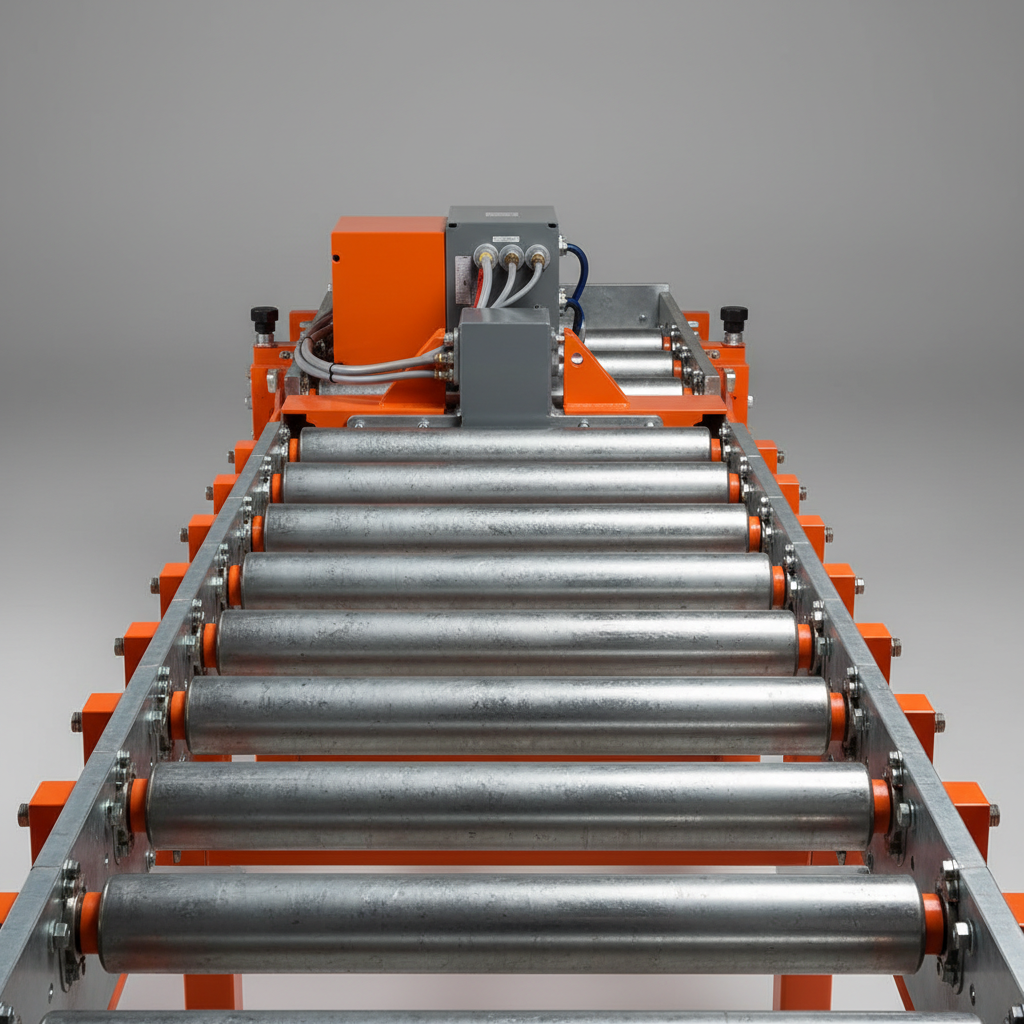
Unlike traditional conveyors that rely on a single large motor and a series of belts or chains, motorised conveyor rollers utilize integrated gear motors. This design allows for "ZPA" (Zero Pressure Accumulation), which means rollers can be controlled individually to prevent packages from colliding. This precision is achieved through sophisticated controllers that sense the presence of a load and adjust the roller speed in real-time. The result is a smoother flow of materials and a significant reduction in product damage during transit.
Technical Insight: The integration of Brushless DC (BLDC) motors in modern rollers ensures higher efficiency, lower heat emission, and a longer operational lifespan compared to brushed alternatives.
Key Benefits of Switching to Motorised Solutions
The shift toward motorised conveyor rollers offers more than just technical convenience; it provides a strategic economic advantage. First, the installation is simplified since there are no external drives or tensioning systems to align. Second, energy consumption is drastically reduced because the system only powers the rollers currently in use. Finally, the modular nature of these rollers allows for rapid reconfiguration of the warehouse layout, enabling companies to adapt to seasonal demand spikes without costly downtime.
Efficiency Gains:
• Reduced Energy: Power is only applied where needed.
• Lower Maintenance: Fewer moving parts like chains and sprockets.
• Space Saving: Compact design eliminates bulky drive assemblies.
• Precision Control: Individual roller speed management.
Comparing Motorised Conveyor Rollers vs. Chain-Driven Systems
When deciding between technology stacks, it is essential to look at the long-term Total Cost of Ownership (TCO). While chain-driven systems may have a lower initial purchase price, the operational costs—including lubrication, tensioning, and energy waste—quickly erode those savings. Motorised conveyor rollers provide a streamlined alternative that prioritizes reliability and smart control.
| Feature |
Motorised Rollers |
Chain-Driven Rollers |
| Drive Mechanism |
Integrated Gear Motor |
External Motor & Chains |
| Energy Efficiency |
Very High (On-Demand) |
Moderate (Constant Run) |
| Installation Speed |
Fast (Modular) |
Slow (Complex Alignment) |
| Maintenance Needs |
Minimal (No Lubrication) |
High (Frequent Lubing) |
Industry Applications for Motorised Conveyor Rollers
The versatility of motorised conveyor rollers makes them indispensable across various sectors. In e-commerce fulfillment centers, they are used to create high-speed sorting lines that can handle thousands of parcels per hour. In the automotive industry, they facilitate the precise movement of heavy chassis through assembly stations. Additionally, the pharmaceutical sector relies on these rollers for sterile, low-vibration transport of sensitive medications. Their ability to integrate with PLC systems allows for fully automated, "lights-out" warehousing operations.
Technical Specifications of Premium Motorised Rollers
Selecting the right roller requires a deep dive into the technical specifications to ensure the hardware matches the load and speed requirements. High-quality motorised conveyor rollers are typically constructed from galvanized steel or stainless steel for corrosion resistance. The motor voltage and torque ratings are critical factors that determine the maximum weight capacity per roller. Below is a standard specification table for industrial-grade motorised units:
| Specification Parameter |
Standard Industrial Range |
| Tube Material |
Galvanized Steel / Stainless Steel / PVC |
| Motor Type |
Brushless DC (BLDC) Gear Motor |
| Voltage Range |
24V DC / 48V DC |
| Load Capacity |
50kg to 500kg per roller (customisable) |
| Control Interface |
PLC / Digital Input / Modbus |
Maintenance and Longevity for Motorised Systems
One of the most significant advantages of motorised conveyor rollers is the drastically reduced maintenance schedule. Because the motor is sealed within the roller tube, it is protected from dust and debris that typically plague external drives. However, to ensure maximum longevity, it is recommended to perform periodic electrical checks and ensure that the rollers are not being overloaded beyond their rated capacity. Regular software updates for the control system can also optimize energy use and refine the acceleration curves to prevent package slippage.
Conclusion: Elevating Material Handling with Smart Technology
Investing in motorised conveyor rollers is a commitment to operational efficiency and future-proof scalability. By eliminating the mechanical bottlenecks of traditional drive systems, businesses can achieve higher throughput, lower energy bills, and a more flexible warehouse environment. As the industry moves toward complete automation, these intelligent rollers serve as the fundamental building blocks of a modern, efficient supply chain. Upgrade today to experience the synergy of power and precision.
Frequently Asked Questions (FAQs)
What exactly is a motorised conveyor roller?
A motorised conveyor roller, often referred to as a powered roller or MDR (Motorised Drive Roller), is a roller that has a small electric motor and gearbox integrated directly into the tube. Unlike traditional conveyors that use a central motor to drive a belt or chain, these rollers are self-powered. This allows for individual control of each roller, enabling advanced features like Zero Pressure Accumulation (ZPA), where items are moved without touching one another, reducing damage and increasing flow efficiency in complex sorting systems.
Are motorised rollers more expensive than traditional ones?
In terms of initial component cost, motorised rollers are generally more expensive than passive rollers because they contain an integrated motor and electronics. However, when you look at the total system cost, they often prove to be more economical. They eliminate the need for expensive drive chains, sprockets, and large central motors. Furthermore, the savings in installation time, reduced energy consumption, and significantly lower long-term maintenance costs typically result in a faster return on investment (ROI) for most industrial applications.
How do you control the speed of motorised conveyor rollers?
Control is typically managed via a dedicated controller or a PLC (Programmable Logic Controller). The controller sends a voltage signal or a digital command to the motor's driver, which regulates the speed. For more advanced systems, sensors (such as photo-eyes) are placed along the conveyor line. When a sensor detects a package, it signals the controller to activate the specific motorised conveyor rollers beneath that package. This allows for variable speed control and precise positioning of goods throughout the facility.
Can these rollers be used for heavy-duty industrial loads?
Yes, motorised rollers are designed for a wide variety of load capacities. By adjusting the tube wall thickness, the gear ratio of the motor, and the material used (such as heavy-gauge stainless steel), these rollers can be engineered to move everything from small parcels to heavy automotive parts. It is crucial to consult the technical specifications—specifically the torque rating and maximum load per roller—to ensure the system is matched to your specific weight requirements for safe and efficient operation.