Belt Conveyor Parts List: A Comprehensive Guide
Maintaining a functional belt conveyor system is crucial for efficient operations in various industries. Having a readily available belt conveyor parts list ensures minimal downtime and cost-effective repairs. This article will provide a detailed overview of essential conveyor components, helping you understand the intricacies of these systems and optimize your maintenance strategies. We’ll explore common parts, their functions, and how to select the right replacements for your specific needs.
Understanding the Core Components
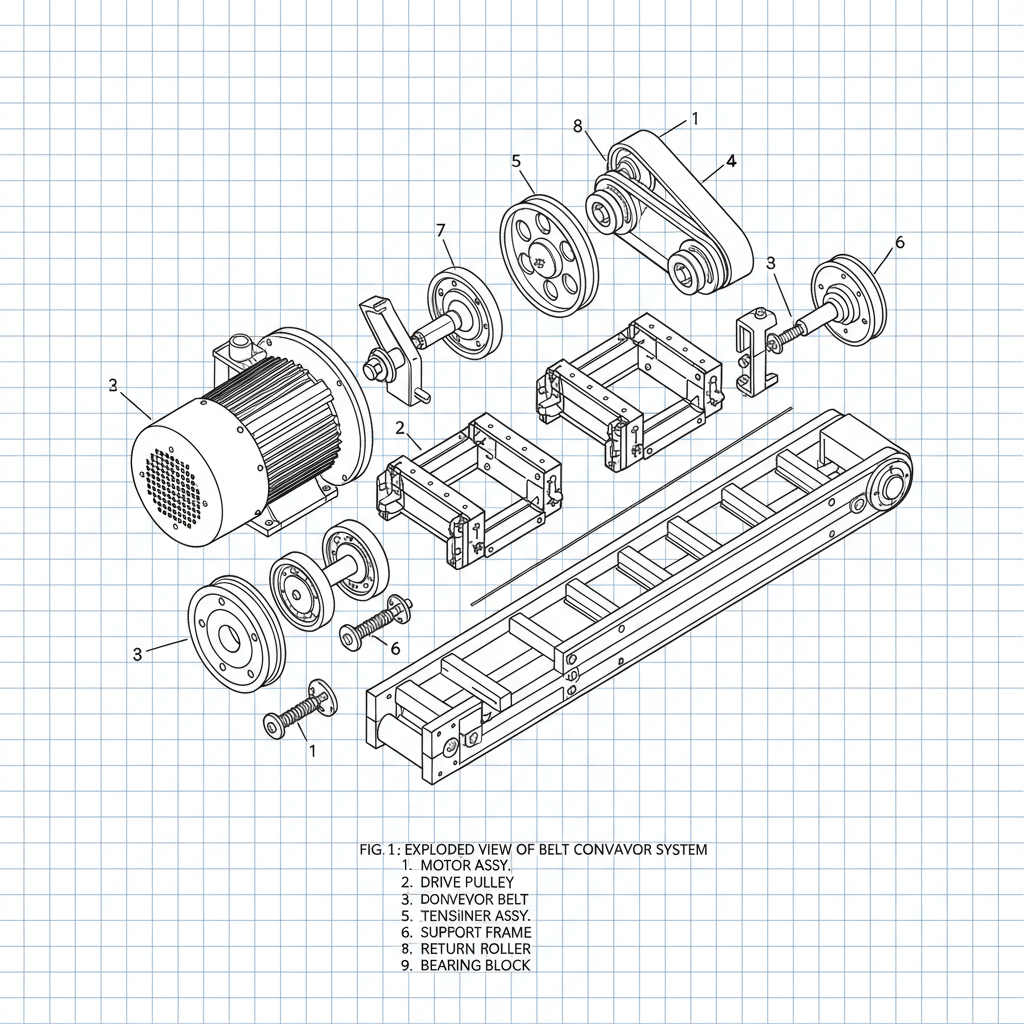
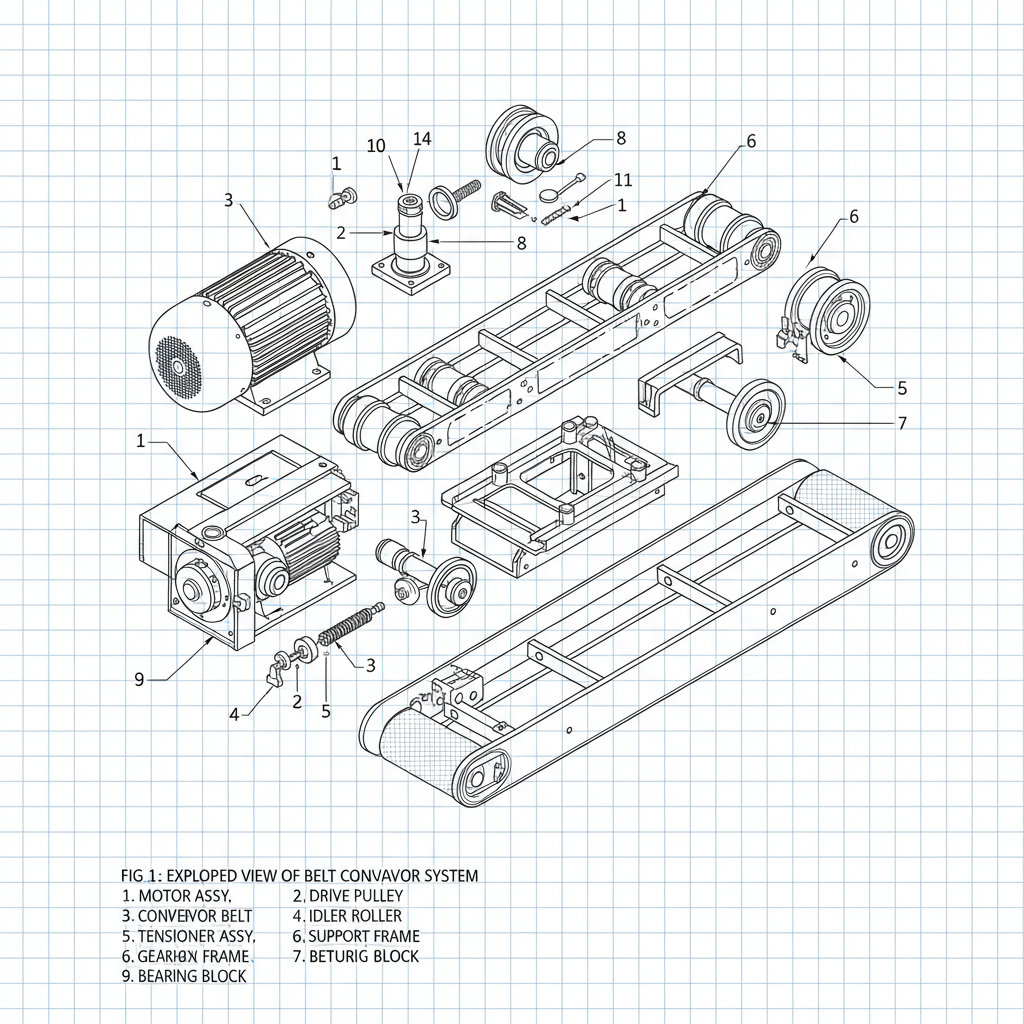
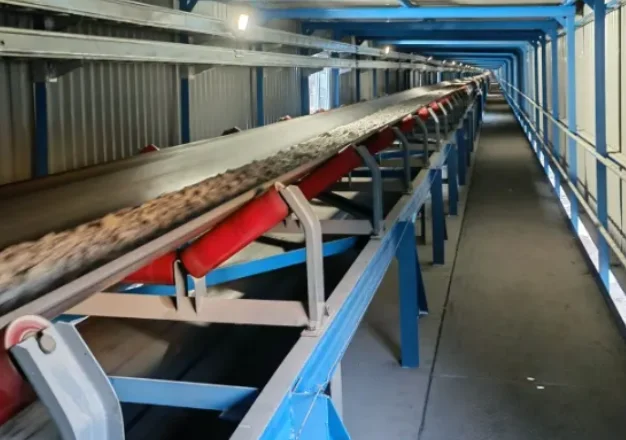
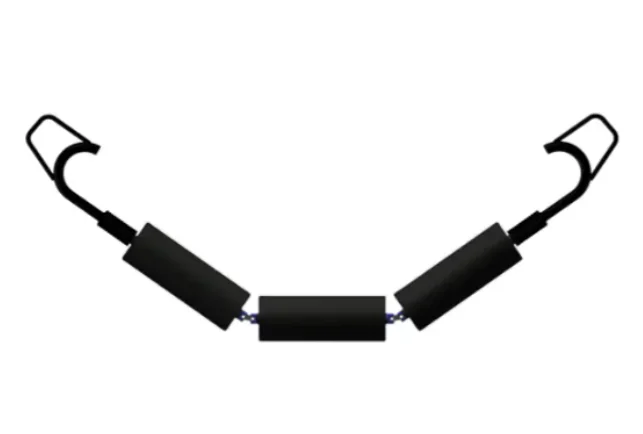
Belt conveyors consist of numerous parts working in harmony. The most critical include the belt itself, rollers (carrying and return), pulleys, drive components (motor, gearbox, couplings), idlers, and support structures. Each component plays a vital role in the smooth and efficient transportation of materials. Regular inspection and replacement of worn or damaged parts are essential to prevent breakdowns and maintain operational efficiency. JT Conveyor offers a comprehensive range of these parts.
Key Takeaway: Proactive maintenance, based on a detailed understanding of your belt conveyor parts list, is significantly more cost-effective than reactive repairs.
Essential Belt Conveyor Parts and Their Functions
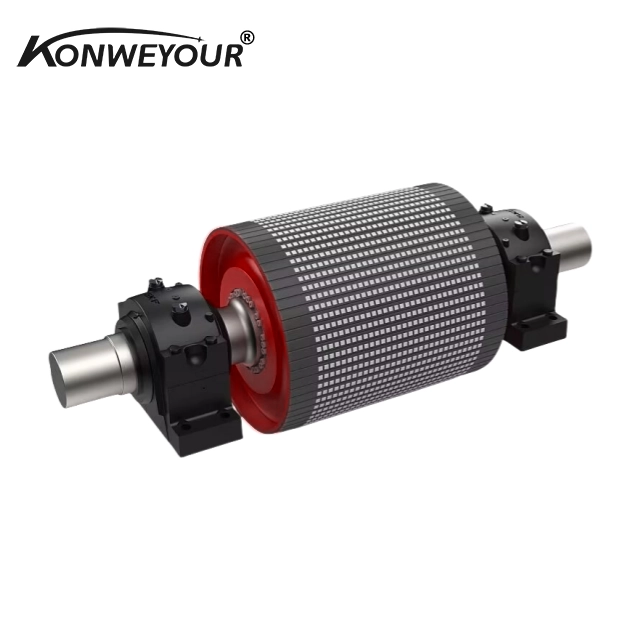
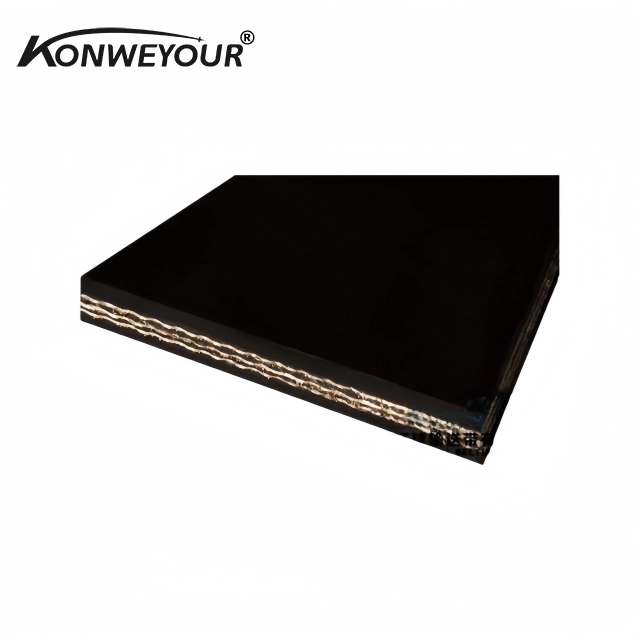
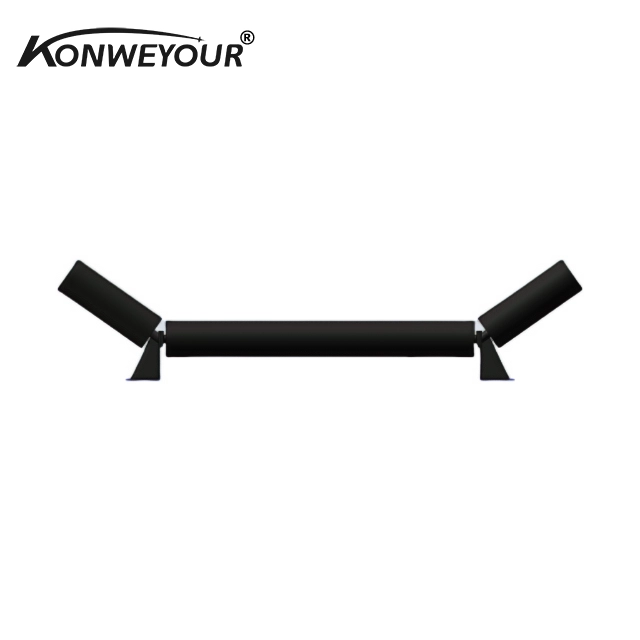
Let's break down the key components. The conveyor belt itself is the workhorse, responsible for carrying the materials. Rollers support the belt and minimize friction. Pulleys (head, tail, and bend) drive and guide the belt. The drive system provides the power, while idlers support the belt between pulleys. Support structures ensure the entire system remains stable and aligned. Selecting the correct material for your belt—rubber, PVC, or others—is vital, depending on the materials you’re conveying and the environment.
Key Components & Functions:
• Belt: Carries the material.
• Rollers: Support and reduce friction.
• Pulleys: Drive and guide the belt.
• Idlers: Support the belt between pulleys.
A Detailed Belt Conveyor Parts List
Here's a more comprehensive list, categorized for easier maintenance and inventory management. This detailed belt conveyor parts list will help streamline your ordering process:
| Part Name |
Function |
Common Materials |
| Conveyor Belt |
Material transport |
Rubber, PVC, PU |
| Head Pulley |
Drives the belt |
Steel, Cast Iron |
| Tail Pulley |
Tensioning & return |
Steel, Cast Iron |
| Bend Pulley |
Changes direction |
Steel, Cast Iron |
| Idlers |
Belt support |
Steel, Plastic |
| Drive Motor & Gearbox |
Power transmission |
Steel, Cast Iron |
Choosing the Right Parts: Quality and Compatibility
When sourcing parts, prioritize quality and compatibility. Using inferior parts can lead to premature failures and increased downtime. Ensure the parts you select are specifically designed for your conveyor system and meet industry standards. JT Conveyor provides high-quality, compatible parts and expert advice to help you make informed decisions.
Preventive Maintenance and Extending Part Lifespan
Regular preventative maintenance is crucial for maximizing the lifespan of your conveyor parts. This includes routine inspections, lubrication, cleaning, and belt tracking adjustments. Addressing minor issues promptly can prevent them from escalating into major problems. Implementing a scheduled maintenance program, coupled with a well-stocked belt conveyor parts list, is a smart investment in the long-term reliability of your system.
Conclusion
Understanding your belt conveyor parts list, performing regular maintenance, and choosing quality components are vital for ensuring optimal performance and minimizing downtime. Partner with a reliable supplier like JT Conveyor to secure the parts you need and benefit from expert support. A proactive approach to conveyor maintenance translates to increased efficiency, reduced costs, and a safer work environment.
Frequently Asked Questions (FAQs)
How often should I inspect my conveyor belt?
Regular inspection is key. A visual inspection should be conducted daily, focusing on belt alignment, wear and tear, and any signs of damage. A more thorough inspection, including checking rollers, pulleys, and the drive system, should be performed weekly or monthly, depending on the system’s usage. Look for cracks, fraying, or unusual noises. Early detection allows for timely repairs and prevents more significant issues. Refer to your conveyor’s manual for specific inspection guidelines.
What are the signs that I need to replace my conveyor belt?
Several signs indicate a need for belt replacement. These include visible cracks, significant wear and tear, fraying edges, delamination (separation of layers), and consistent belt misalignment. If the belt is stretched or damaged to the point where it affects performance or poses a safety risk, it must be replaced. Ignoring these signs can lead to breakdowns and potential hazards.
Where can I find reliable belt conveyor parts?
JT Conveyor is a trusted source for high-quality belt conveyor parts. We offer a comprehensive selection of components, expert advice, and competitive pricing. Choosing a reputable supplier ensures you receive genuine parts that meet industry standards and maximize the lifespan of your system.
How important is proper belt tracking?
Proper belt tracking is essential for efficient and safe operation. Misalignment can cause excessive wear and tear on the belt, rollers, and pulleys, leading to premature failures. It also increases the risk of material spillage and can create safety hazards. Regularly check belt alignment and adjust tracking mechanisms as needed to maintain a smooth, centered run.