Belt Conveyor Parts and Functions PDF: A Comprehensive Guide
Belt conveyors are essential material handling systems used across various industries, from mining and agriculture to manufacturing and logistics. Understanding the various belt conveyor parts and their functions is crucial for ensuring efficient operation, minimizing downtime, and maximizing the lifespan of the system. This article will provide a detailed overview of key components, their roles, and where to find valuable resources like a belt conveyor parts and functions PDF. Efficient and safe operation relies on informed maintenance and understanding of the equipment.
Key Components of a Belt Conveyor System
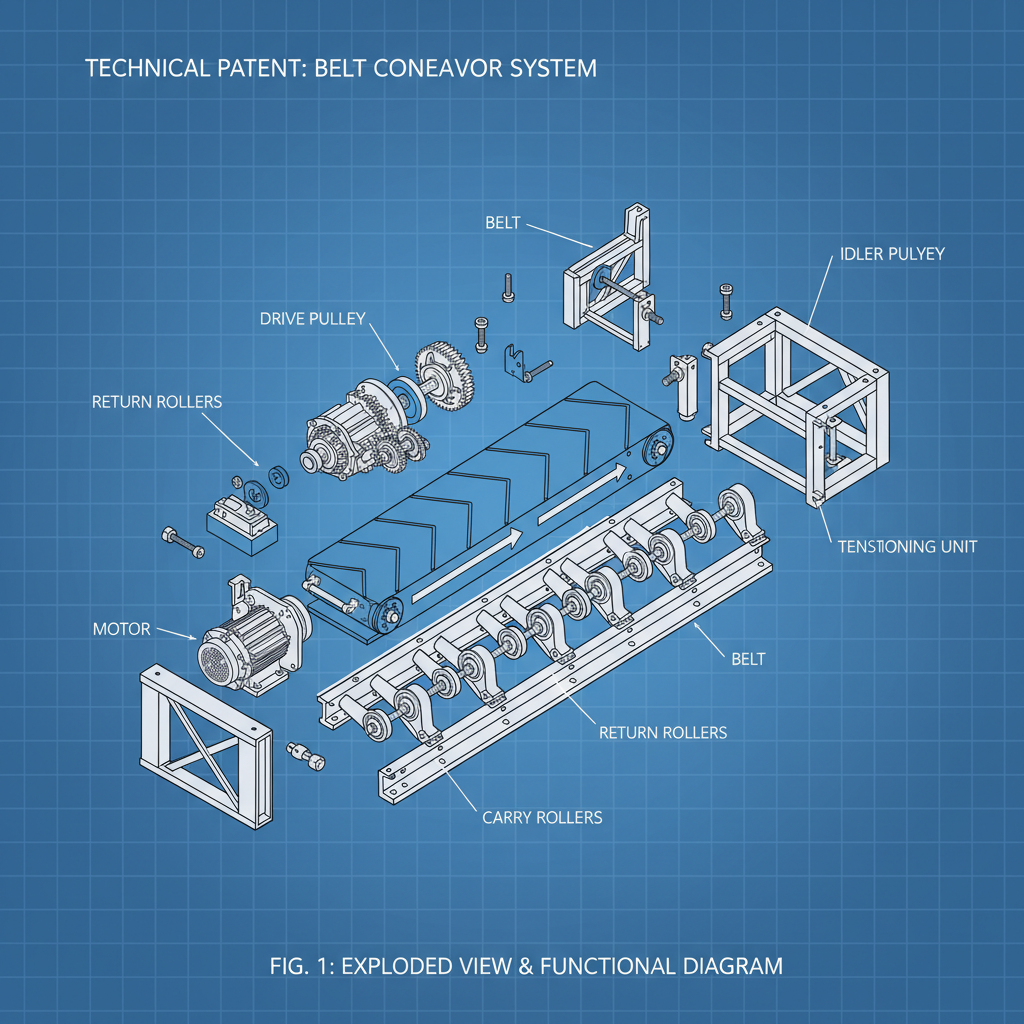
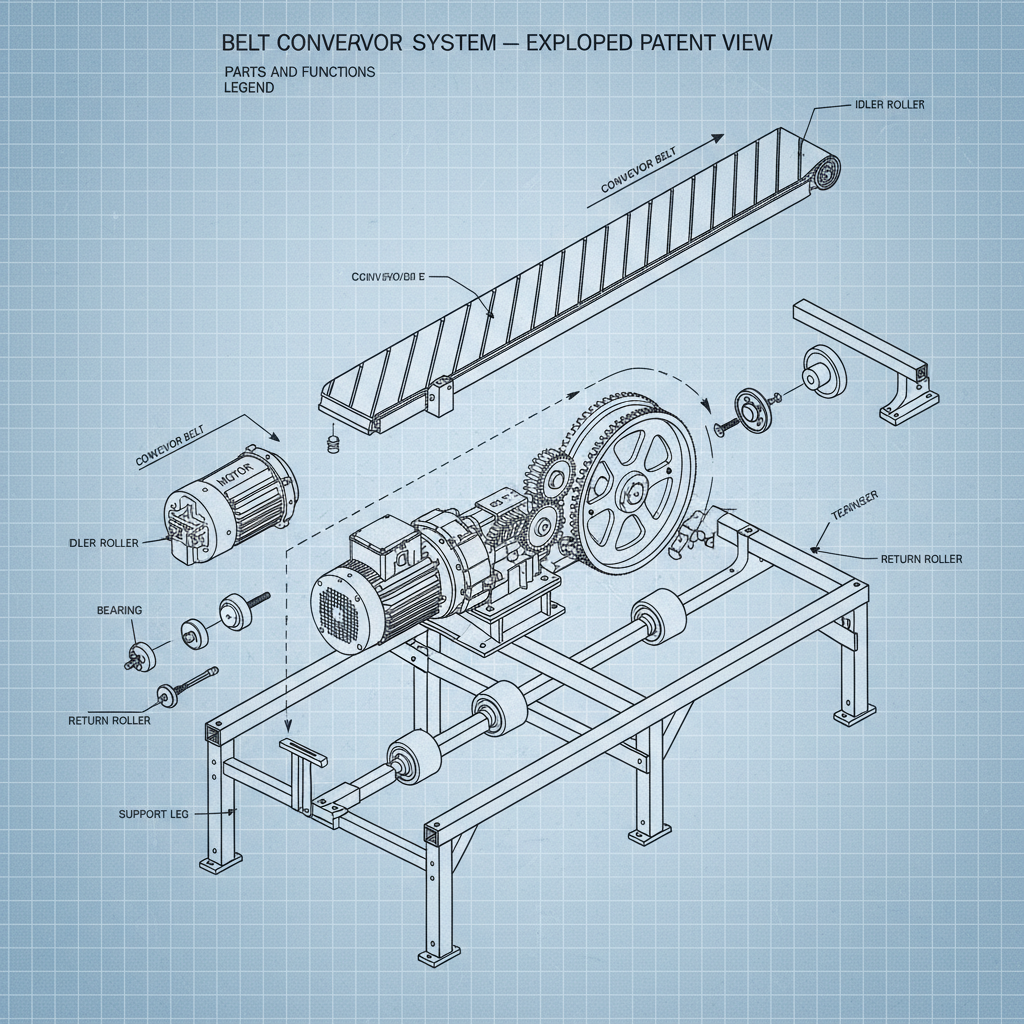
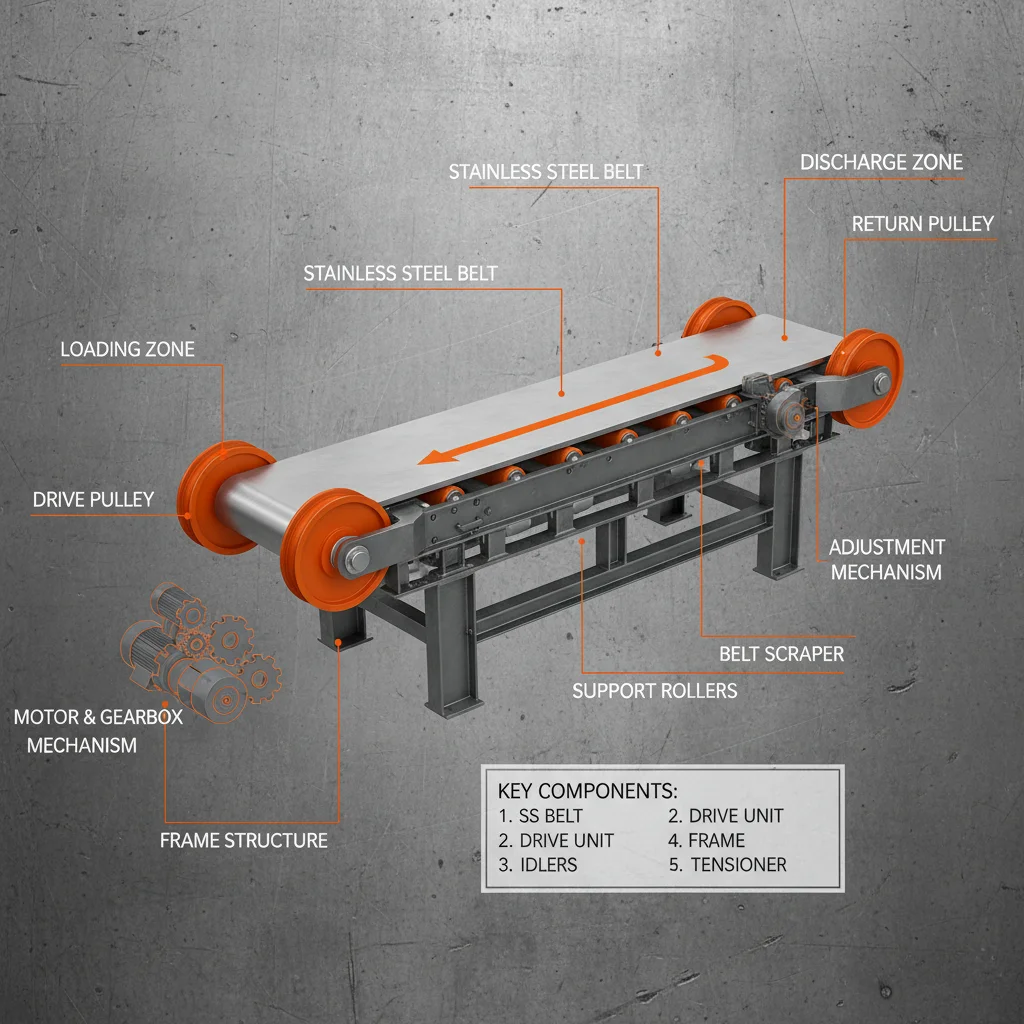
A typical belt conveyor system comprises several essential parts. The belt itself, usually made of rubber, PVC, or other materials, is the primary carrier of goods. Idlers (or rollers) support the belt and reduce friction. The drive pulley, powered by a motor, provides the necessary traction to move the belt. Take-up pulleys maintain belt tension, preventing slippage. Finally, the conveyor frame provides structural support for all these components. Understanding each element’s role is vital for effective maintenance and troubleshooting. Finding a detailed belt conveyor parts list can greatly assist in identifying and sourcing replacements.
Key Takeaway: The successful operation of a belt conveyor depends on the harmonious interaction of its core components. Regular inspection and timely replacement of worn parts are paramount.
Detailed Breakdown of Belt Conveyor Parts
Let's delve deeper into the crucial components. The belt itself is selected based on the materials being conveyed, and must have sufficient tensile strength and abrasion resistance. Idlers are categorized into carrying idlers, return idlers, and bend pulleys, each with a specific purpose. The drive pulley requires proper lagging to enhance friction. Take-up systems can be mechanical or gravity-based. A belt conveyor parts and functions PDF from a reliable supplier like JT Conveyor will illustrate these components visually and explain their specific functions.
Important Belt Conveyor Components:
- Belt: Transports the materials.
- Idlers: Support and reduce friction.
- Drive Pulley: Provides motion.
- Take-up Pulley: Maintains tension.
- Frame: Structural support.
- Cleaners: Remove debris from the belt.
Belt Conveyor Parts and Their Functions: A Comparative Look
Choosing the right parts for a specific application is critical. For example, different belt materials are suited for different materials – rubber for abrasive materials, PVC for food-grade applications. Idler selection depends on the load and belt speed. The drive mechanism (motor and gearbox) must be adequately sized to handle the required power. Below is a comparison of common belt materials:
| Belt Material |
Advantages |
Disadvantages |
Typical Applications |
| Rubber |
High abrasion resistance, excellent traction |
Can be susceptible to oil and chemical degradation |
Mining, aggregates, heavy-duty materials |
| PVC |
Food-grade options, chemical resistance, lightweight |
Lower abrasion resistance than rubber |
Food processing, packaging, light-duty materials |
| PU (Polyurethane) |
Excellent abrasion and cut resistance, high flexibility |
Higher cost than rubber or PVC |
Textiles, paper, abrasive materials |
Sourcing Reliable Belt Conveyor Parts
Choosing a reputable supplier is vital. Look for companies that offer a wide range of parts, provide technical support, and guarantee quality. A good supplier will also be able to provide a comprehensive belt conveyor parts manual or belt conveyor parts and functions PDF for reference. JT Conveyor specializes in providing high-quality conveyor components and expert assistance.
Maintaining Your Belt Conveyor System for Optimal Performance
Regular maintenance is key to preventing breakdowns and extending the life of your conveyor system. This includes regular belt tracking, cleaning, lubrication of bearings, and inspection of idlers and pulleys. Promptly replace worn or damaged parts to avoid more significant issues. Accessing a detailed belt conveyor maintenance guide, which many suppliers offer, can streamline this process.
Conclusion: Ensuring Smooth Operations with Quality Parts & Knowledge
Understanding belt conveyor parts and functions is essential for efficient and reliable material handling. Investing in high-quality components from a reputable supplier like JT Conveyor, and utilizing resources such as a detailed parts catalog or belt conveyor parts and functions PDF, will contribute significantly to minimizing downtime, reducing maintenance costs, and maximizing the lifespan of your conveyor system.
Frequently Asked Questions (FAQs)
What is the typical lifespan of a conveyor belt?
The lifespan of a conveyor belt varies greatly depending on factors such as the materials being conveyed, the belt material itself, operating conditions, and maintenance practices. Generally, a well-maintained conveyor belt can last between 3 to 7 years. However, belts handling abrasive materials or operating in harsh environments may need replacement more frequently. Regular inspection for wear, cuts, and damage is critical to determine the belt's remaining lifespan. A quality belt conveyor parts catalog can help you identify the appropriate replacement.
How often should I inspect my conveyor system?
Regular inspections are crucial for preventing costly downtime. A visual inspection should be performed at least weekly, focusing on belt condition, idler alignment, drive components, and take-up tension. A more thorough inspection, including lubrication checks and fastener tightening, should be conducted monthly. Maintaining a log of inspections can help identify trends and proactively address potential issues.
What are common causes of conveyor belt misalignment?
Belt misalignment can be caused by several factors, including improper idler alignment, uneven loading, material buildup on idlers, and worn or damaged components. Misalignment can lead to belt wear, tracking issues, and even system shutdowns. Regularly checking and adjusting idler alignment is essential. Ensuring even material distribution and promptly cleaning any buildup can also help prevent misalignment. Consult a belt conveyor parts guide for recommended alignment tools.