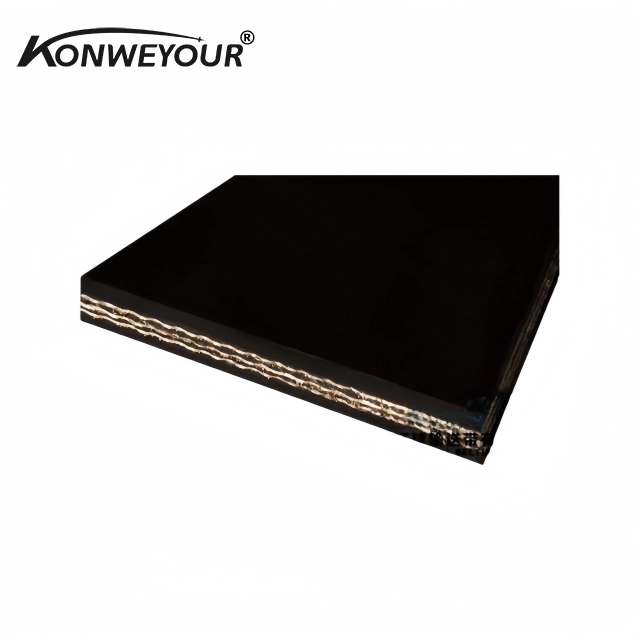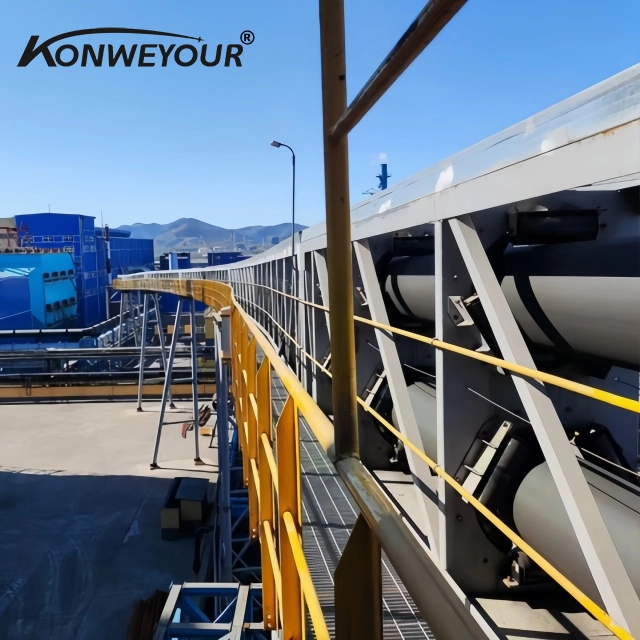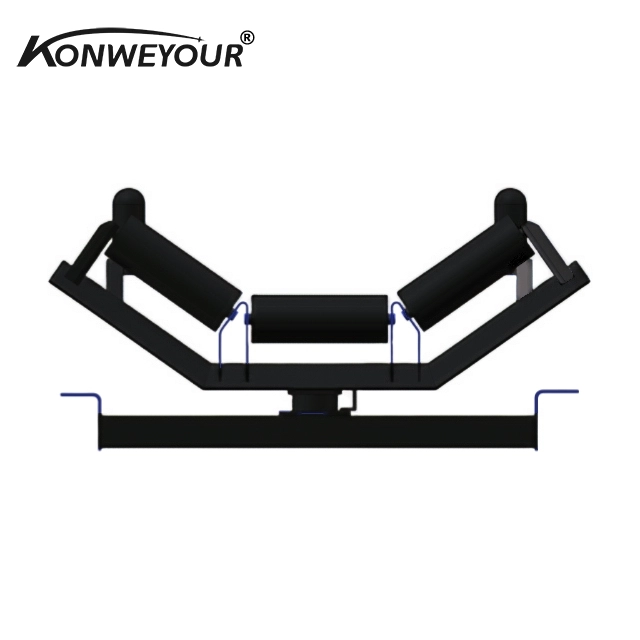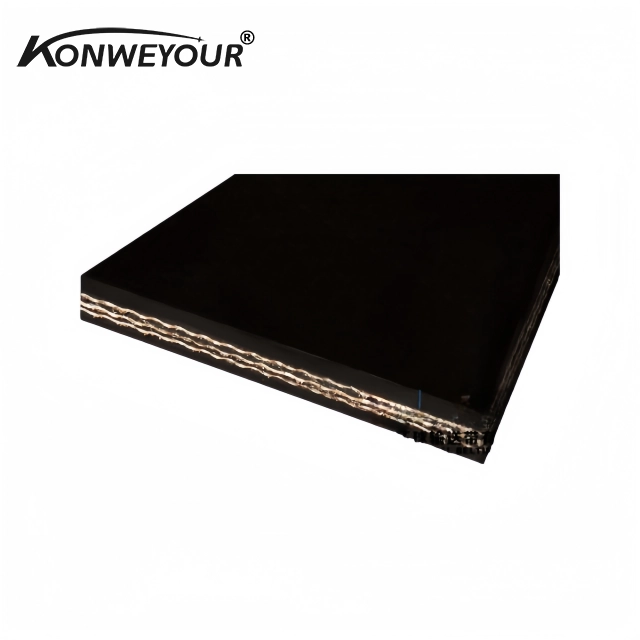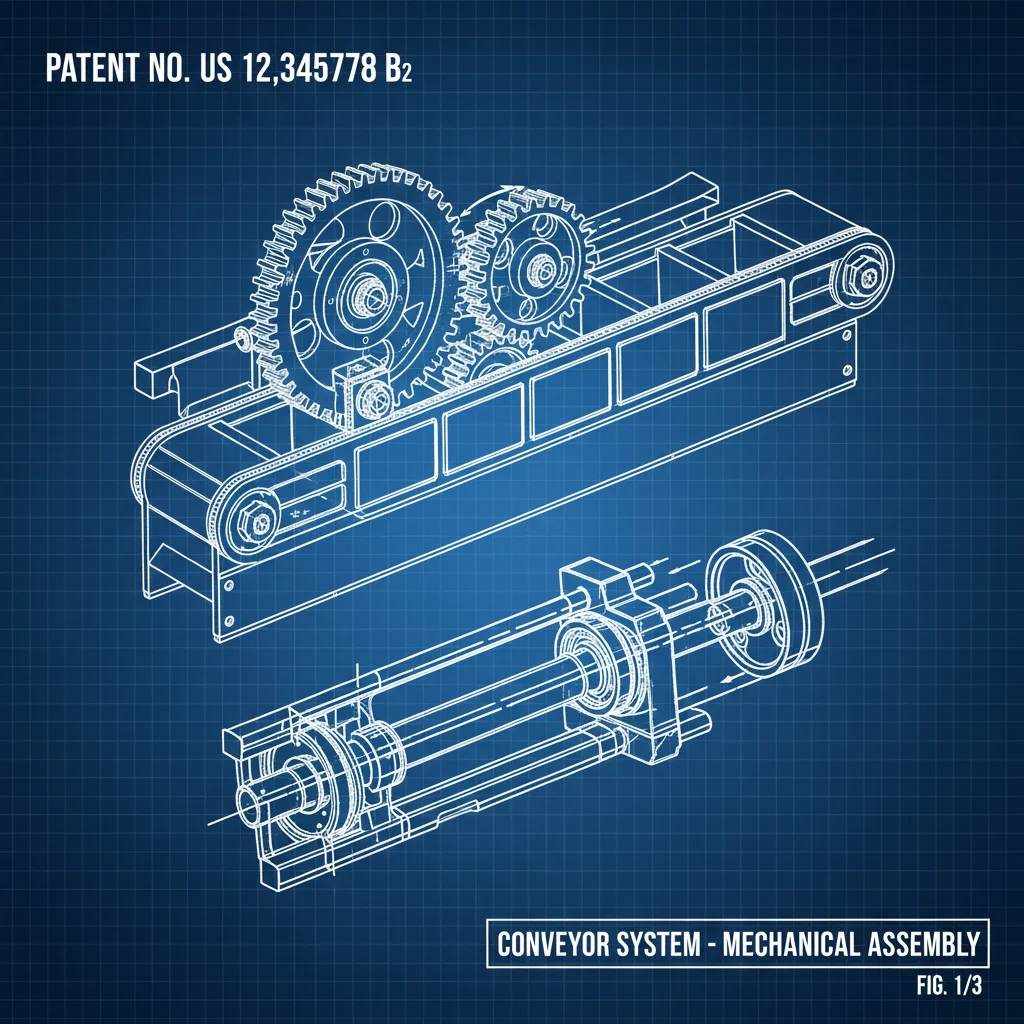
Conveying equipment is the backbone of modern logistics and industrial processes, facilitating the efficient and reliable movement of materials across diverse landscapes and operations. From simple belt conveyors to complex automated systems, these technologies are crucial for optimizing workflows, reducing labor costs, and increasing overall productivity. The global reliance on efficient material handling makes understanding conveying equipment vital for businesses, engineers, and supply chain professionals alike. The demand for effective conveying equipment is driven by factors such as increasing global trade, rapid industrialization in emerging economies, and the growing need for automation in manufacturing. The impact is felt across industries – from agriculture and mining to food processing and e-commerce fulfillment. Investment in optimized material flow directly translates to improved profitability and competitive advantage. Understanding the principles and applications of conveying equipment is not merely an engineering concern; it’s a fundamental aspect of sustainable economic growth and efficient resource management.
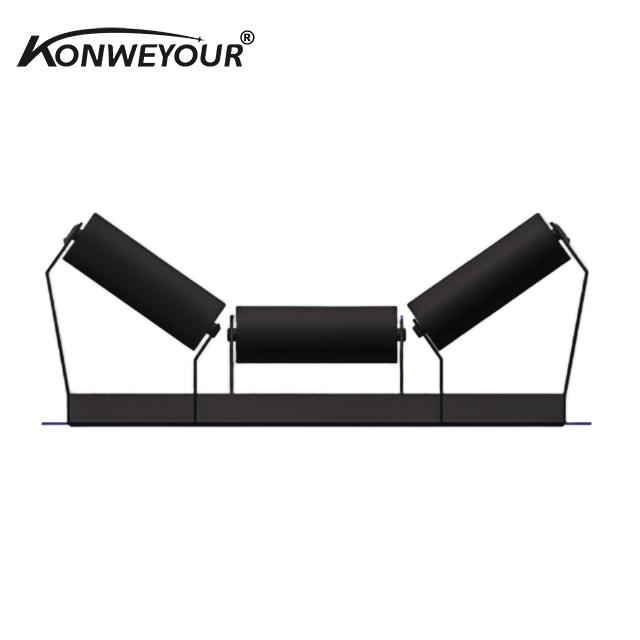
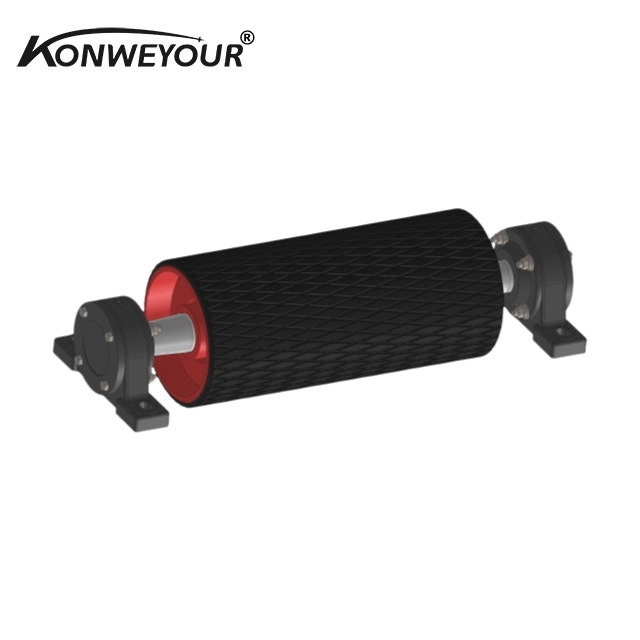
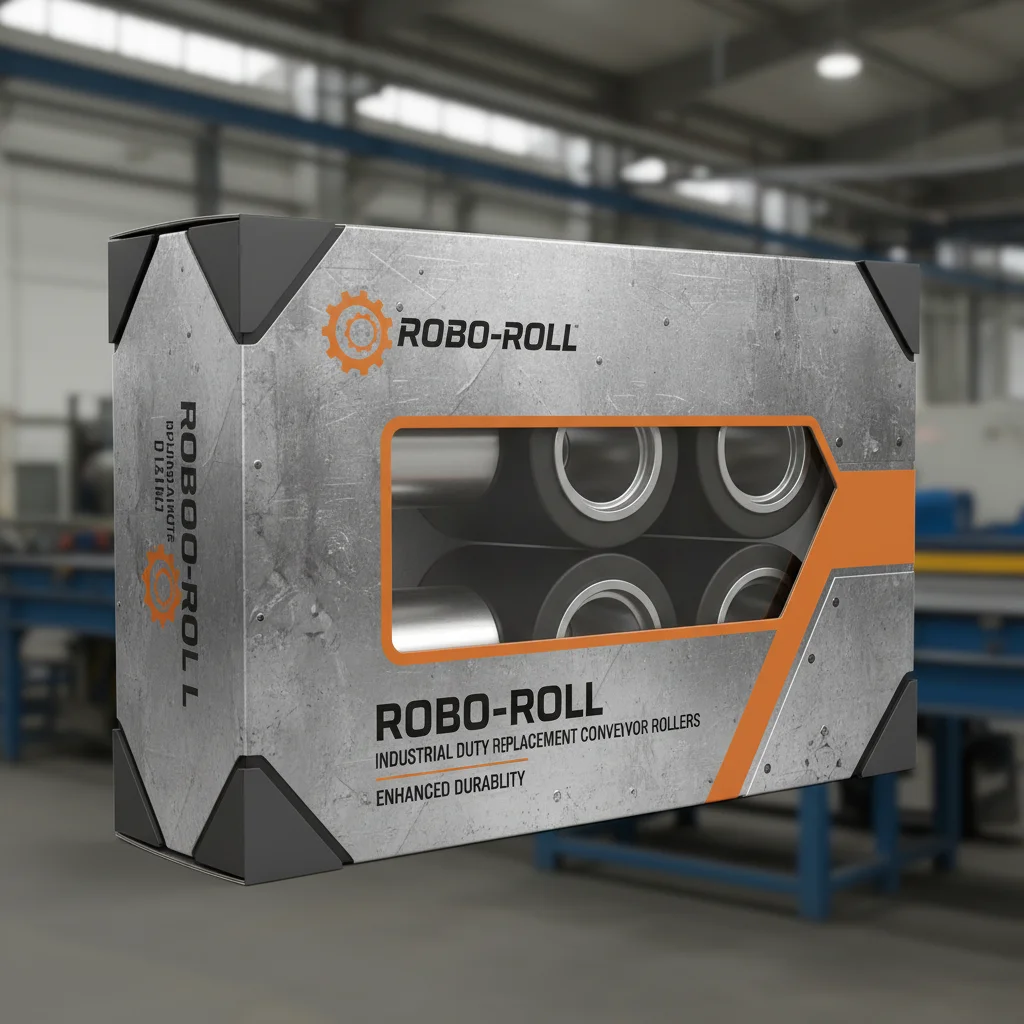
Maintaining an efficient conveyor system is critical for smooth operations in warehouses, distribution centers, and manufacturing facilities. A key component often overlooked until failure is the humble conveyor roller. When rollers start to wear, slowing down, or becoming noisy, selecting the right replacement conveyor rollers is paramount. This article will explore the importance of choosing quality rollers, different types available, factors to consider during selection, and how JT Conveyor can help optimize your system. A properly functioning conveyor system can significantly reduce downtime and improve productivity. Worn or damaged conveyor rollers can lead to a cascade of problems. They increase friction, putting a strain on motors and belts, leading to premature wear and potential system failures. This translates directly into costly downtime, reduced throughput, and increased maintenance expenses. Regular inspection and timely replacement conveyor rollers are a proactive maintenance strategy that prevents these issues and keeps your operation running smoothly. Identifying the signs of wear – such as unusual noises, difficulty starting the conveyor, or uneven package flow – is the first step toward efficient maintenance.