Motorized Brush Conveyor Belt Cleaner – Low Maintenance
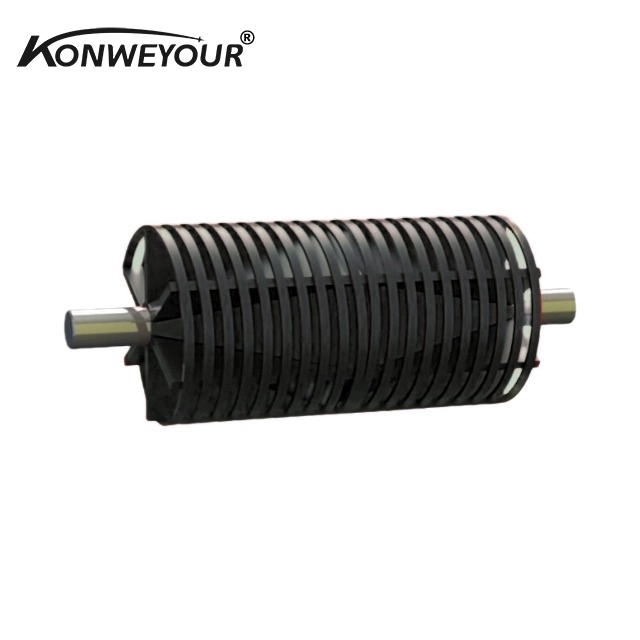
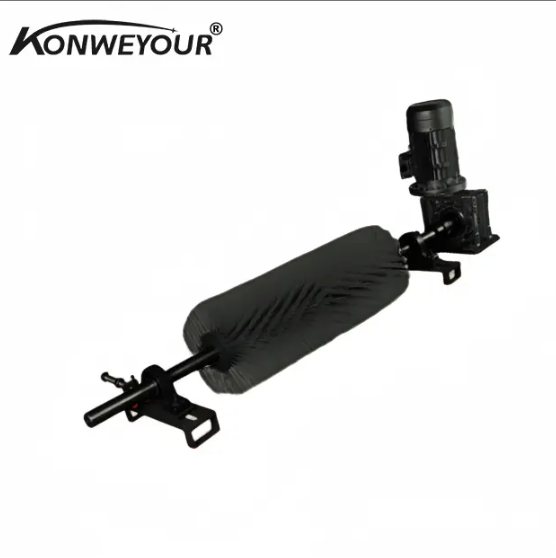
The short version? Sticky carryback has been quietly taxing plants for years. In sugar, fertilizer, even recycled glass, I’ve watched crews chase fines with scrapers, only to end up with build-up at the return side. A Motorized Brush Conveyor Belt Cleaner isn’t flashy, but when the bristles are matched to the material and speed, it’s surprisingly effective—especially after a primary blade. To be honest, the first time I saw one tuned right, I realized how many of us underestimate brush contact angles.
What’s driving adoption right now
Two trends: finer particles (think pelletized products breaking down) and stricter housekeeping KPIs. Plants want belt-friendly secondary cleaning that won’t gouge lagging. A Motorized Brush Conveyor Belt Cleaner sits in that sweet spot—light to medium duty, precision contact, smaller motor draws. Many customers say it “just works” on tacky materials where scraper-only setups smear rather than lift.
Quick specs (real-world use may vary)
| Brush material |
Nylon 6.6 or PP (antistatic option); bristle Ø ≈ 0.5–1.2 mm |
| Motor rating |
≈ 0.37–1.5 kW, IP55; 3-phase 380–480 V |
| Brush speed |
600–1200 rpm (matched to belt speed around 1–4 m/s) |
| Temperature |
-20 to 80°C (high-temp bristles on request) |
| Frame |
Carbon steel with epoxy coat or 304 SS for food/fertilizer |
| Service life |
Brush ≈ 8–18 months; motor bearings ≈ 15,000–25,000 h |
How it’s built and tested
- Materials: nylon 6.6 bristles (low water absorption), balanced steel core, sealed bearings.
- Manufacture: spiral-wound brush fill, CNC trimming, dynamic balancing to ISO 21940 (often G6.3).
- Methods: VFD tuning to match belt speed; contact angle set ≈ 10–20° at the return run.
- Testing: runout ≤ 0.3 mm; insulation per IEC 60034; abrasion checks per ASTM D5963.
- Certifications: CE marking; optional food-contact bristle declaration for HACCP lines.
Where it shines
Sugar, fertilizer, sand/silica, foundry fines, wood pellets, cement additives, and sticky coal blends. Ideal after a primary scraper, especially on light to medium-duty conveyors that can’t risk aggressive secondary blades.
Vendor snapshot (real-world feedback)
| Vendor |
Strengths |
Notes |
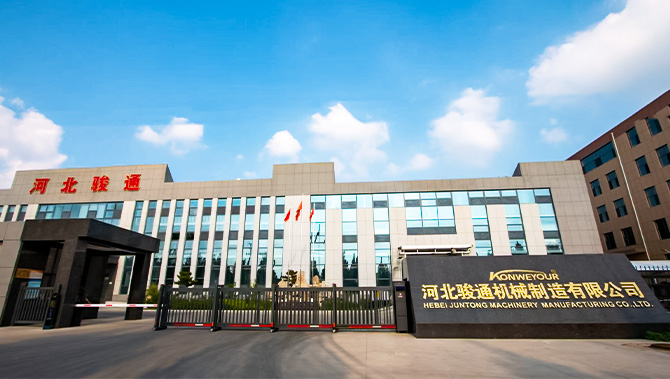
| JT Conveyor (Hebei) |
Custom widths, quick ship, solid after-sales |
Origin: No. 13 Gongqiang Road, Nangong Economic Development Zone, Xingtai City, Hebei Province |
| Vendor A |
Food-grade focus, polished SS frames |
Higher list price; lead times around 6–8 weeks |
| Vendor B |
Heavy-duty motors, rugged mounts |
Best suited for abrasive minerals; louder motors ≈ 72–78 dB |
Customization that matters
- Bristle geometry: crimped vs. straight; density tuned for fines vs. sticky paste.
- Motor: fixed-speed or VFD; explosion-proof for dusty zones (ATEX on request).
- Frame: compact end-mount for tight tail pulleys; swing-arm for fast brush swaps.
Case snapshots
Fertilizer blending (NPK, 2.2 m/s): after adding a Motorized Brush Conveyor Belt Cleaner downstream of a urethane scraper, carryback reduced ≈ 68% by mass; cleanup time dropped from 3 h/week to 55 min. Crew noted “less smear on idlers.”
Refined sugar (food line): 304 SS frame and FDA-grade bristle. Hygiene audit improved; belt edge wear negligible over 9 months. Energy draw stayed under 0.6 kW.
Installation and safety, briefly
- Mount at the return side, 100–200 mm after the head pulley; ensure guards per OSHA 1910.
- Set brush tip interference ≈ 2–5 mm; tune rpm so tips slightly over-speed the belt.
- Rebalance after bristle replacement; verify vibration within ISO 10816 guidance.
In practice, it’s a calm workhorse. No drama, just cleaner belts and fewer shovels. If you’re speccing for fines or sticky blends, put a Motorized Brush Conveyor Belt Cleaner on the shortlist—and ask for test data.
Selected standards and references
- [1] CEMA, Belt Conveyors for Bulk Materials, 7th ed. https://cemanet.org/publications/
- [2] ISO 21940 (Rotor balancing). https://www.iso.org/standard/63264.html
- [3] ASTM D5963 (Rubber abrasion resistance). https://www.astm.org/d5963-04.html
- [4] OSHA 29 CFR 1910 Subpart O (Machine guarding). https://www.osha.gov/laws-regs/regulations/standardnumber/1910