Elevating Operational Efficiency with Advanced Conveyor Transfer Systems
In the relentless pursuit of peak operational efficiency, modern industries are constantly seeking innovative solutions to optimize their material handling processes. At the heart of this optimization lies the strategic implementation of sophisticated conveyor transfer systems. These aren't merely channels for moving goods; they are intricate networks designed to synchronize every stage of production, packaging, and distribution, ensuring a seamless flow of materials with precision and speed. From raw material intake to finished product dispatch, the architecture of these systems dictates the rhythm of an entire facility. This comprehensive exploration delves into the critical role these systems play, examining their technical prowess, the nuances of vendor selection, the art of customization, and their transformative impact across diverse industrial landscapes. Understanding the underlying mechanics and strategic advantages of cutting-edge conveyor technology is paramount for any enterprise aiming to secure a competitive edge and build a resilient, future-ready operational framework.
The Imperative for Seamless Material Flow
The efficiency of material flow is not just a logistical consideration; it’s a foundational determinant of profitability and productivity. Inefficient material handling can incur substantial hidden costs, quietly eroding margins and stifling growth. Studies indicate that up to 30% of operational costs in manufacturing and logistics can be attributed to inefficient or poorly managed material movement, encompassing everything from excessive labor expenditure for manual transport to costly product damage during transfers. Furthermore, bottlenecks created by outdated or ill-suited transfer methods can lead to significant production delays, missed delivery windows, and a diminished customer experience, culminating in substantial financial penalties and reputational damage.
Modern industrial environments, characterized by just-in-time inventory strategies and escalating throughput demands, necessitate systems that minimize dwell times, eliminate manual intervention where possible, and ensure consistent, predictable movement. Seamless material flow directly translates into reduced operational expenditure by cutting down on labor costs, mitigating the risk of workplace injuries, and decreasing energy consumption through optimized routing and energy-efficient components. Beyond mere cost savings, a fluid material handling system significantly enhances overall safety by reducing human interaction with moving machinery and heavy loads, thereby lowering accident rates. This holistic improvement in operational fluidity not only bolsters an organization's bottom line but also establishes a robust infrastructure capable of adapting to fluctuating market demands and technological advancements.
Unpacking the Technical Superiority of Modern Conveyor Solutions
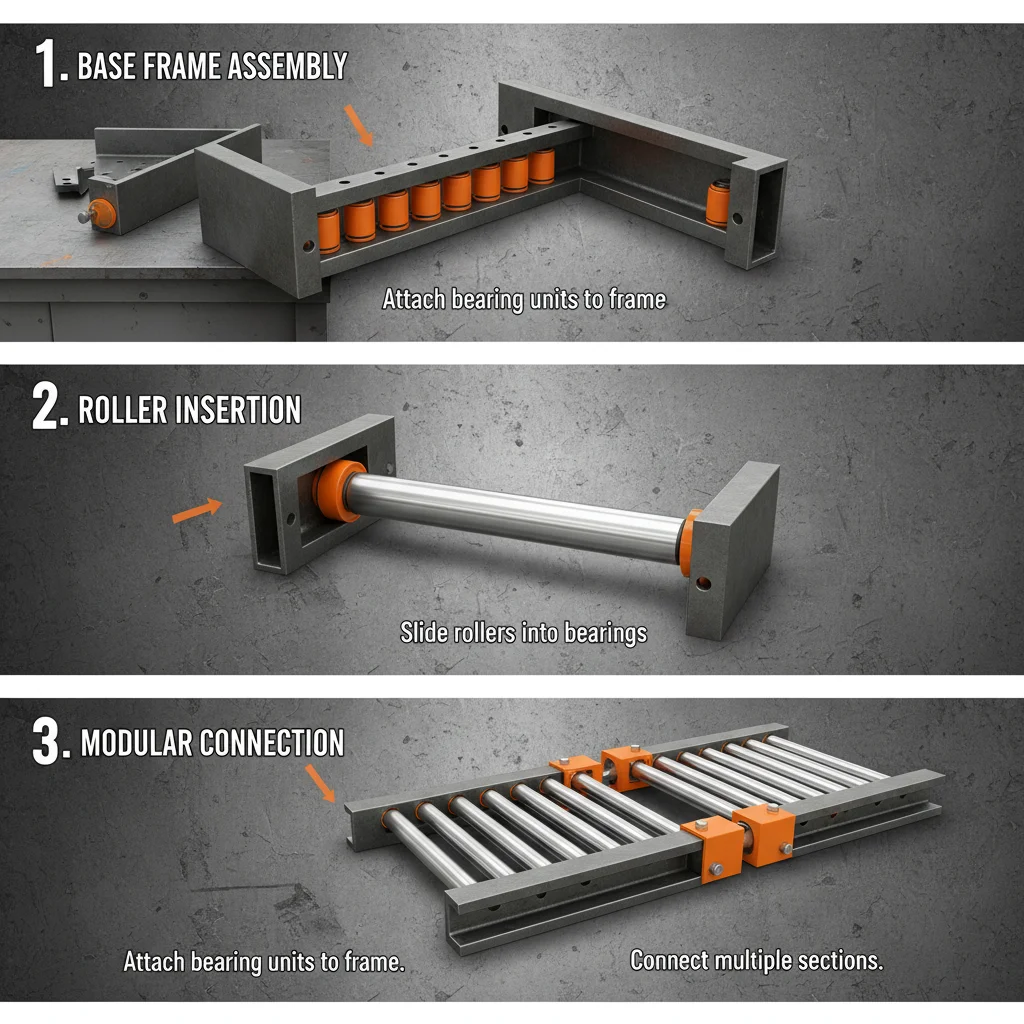
The evolution of conveyor technology has been nothing short of transformative, moving far beyond simple belt or roller mechanisms. Today's advanced conveyor solutions are engineered marvels, integrating state-of-the-art technologies that confer unprecedented levels of precision, flexibility, and intelligence. Key technical advantages include the adoption of modular designs, which allow for rapid reconfiguration and scalability, adapting to changing production layouts or volume demands without extensive downtime. This modularity extends to specialized sections, such as incline/decline units, curves, accumulation zones, and high-speed sortation segments, all designed to integrate seamlessly.
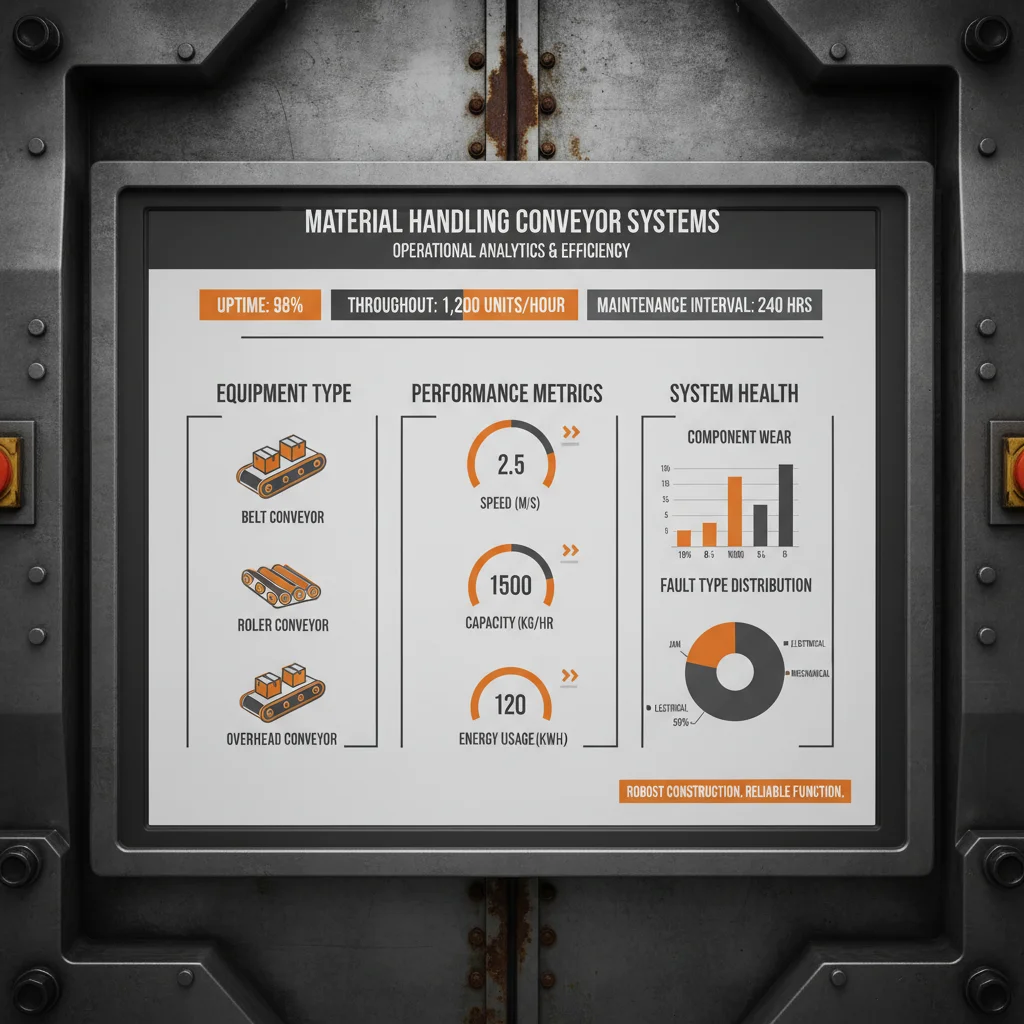
Furthermore, modern systems are deeply embedded with advanced automation and control technologies. Programmable Logic Controllers (PLCs) and sophisticated sensor arrays enable precise control over speed, direction, and product spacing, minimizing errors and maximizing throughput. Robotic integration, particularly for picking, placing, and palletizing, further enhances efficiency and safety. Energy efficiency is another significant advancement, with features like variable frequency drives (VFDs) that adjust motor speed based on load requirements, and regenerative braking systems that capture and reuse energy. Diagnostic capabilities, often leveraging IoT sensors and real-time data analytics, allow for proactive maintenance and predictive fault detection, significantly reducing unexpected downtime. Integration with Warehouse Management Systems (WMS) and Manufacturing Execution Systems (MES) provides a holistic view of operations, enabling optimized routing, inventory tracking, and performance analysis, thus transforming conveyors into intelligent, data-rich components of an interconnected industrial ecosystem.
Navigating the Landscape of Conveyor System Providers
Selecting the right partner for developing and implementing conveyor systems is a decision that carries long-term implications for operational success. The market is populated by a diverse array of manufacturers and integrators, each with distinct specializations, technological competencies, and service offerings. A thorough evaluation process is crucial, moving beyond mere price comparison to assess critical factors such as a provider’s track record, industry-specific expertise, customization capabilities, and post-installation support. The table below illustrates a comparative framework that businesses might use when evaluating potential partners, focusing on key attributes that contribute to the overall value proposition:
Feature/Criterion | Provider A (Standardized Focus) | Provider B (Mid-Market Integrator) | Provider C (Bespoke & High-Tech) |
Modularity & Scalability | High, standardized components | Moderate, some custom modules | Very High, fully customizable and expandable |
Customization Capacity | Limited to basic configurations | Good, adapts standard solutions | Excellent, full engineering for unique requirements |
Integration Capabilities | Basic WMS/MES interfaces | Robust integration with common platforms | Advanced, seamless integration with proprietary and third-party systems |
Maintenance & Support | Standard warranties, regional service network | Extended warranties, dedicated support, spare parts availability | Proactive monitoring, global 24/7 support, predictive maintenance contracts |
Energy Efficiency | Standard motors, some VFD options | Good efficiency, VFDs standard, some regenerative options | Leading-edge, optimized power consumption, regenerative braking systems |
ROI Potential (Typical) | Solid for high-volume, standard tasks | Strong for diverse applications, good flexibility | Exceptional for complex, high-value operations with long-term vision |
Industry Focus | General warehousing, e-commerce | Manufacturing, automotive, food & beverage | Pharmaceuticals, aerospace, specialized logistics |
Beyond these technical and service attributes, a provider's commitment to innovation and their understanding of future industry trends, such as AI integration and sustainable manufacturing practices, are vital. Partnering with a vendor that aligns with an organization's long-term strategic vision ensures that the investment in a conveyor system remains relevant and effective for years to come.
Crafting Bespoke Solutions for Unique Operational Needs
While standardized conveyor components offer a foundational starting point, the true value and competitive advantage often emerge from bespoke solutions meticulously engineered to address an operation's unique constraints and objectives. The concept of "one size fits all" rarely applies to complex material handling scenarios, where factors like product fragility, size and weight variations, specific environmental conditions (e.g., cleanroom, corrosive atmosphere, extreme temperatures), throughput requirements, and available facility footprint demand highly specialized approaches. Customization begins with an exhaustive needs assessment, often involving on-site surveys, detailed process mapping, and advanced simulation software to visualize and optimize material flow before any physical construction begins.
This deep dive allows engineers to design systems that optimize every curve, incline, and transfer point, ensuring seamless product transitions and minimizing potential damage or delays. For instance, a pharmaceutical company might require systems with sterile, easy-to-clean surfaces and precise environmental controls, while an automotive manufacturer may need heavy-duty conveyors capable of transporting engine blocks with exceptional stability and accuracy for robotic assembly. Custom solutions can incorporate specialized gripping mechanisms, vision systems for quality control, automated reject systems, or unique accumulation buffers designed to handle specific product characteristics without compromising speed or safety. The benefits of such tailored approaches are profound: maximized throughput within existing spatial constraints, reduced product damage, lower operational costs due to optimized energy use and minimized manual intervention, and enhanced flexibility to accommodate future production changes. Ultimately, a custom-designed conveyor system is not just a piece of equipment; it is a strategic asset, perfectly aligned with an organization's operational DNA.
Real-World Applications and Transformative Impact
The versatility and adaptability of modern conveyor systems mean they are integral to a vast array of industries, each leveraging their capabilities to solve specific challenges and unlock significant operational efficiencies. Their transformative impact is evident in the tangible improvements they bring to productivity, safety, and cost structures across diverse sectors.
In logistics and e-commerce, for example, advanced sortation conveyors, such as cross-belt or shoe sorters, are indispensable. They enable rapid, accurate parcel routing, processing hundreds or even thousands of packages per hour. This speed and precision are critical for fulfilling same-day or next-day delivery promises, directly impacting customer satisfaction and market share. Major distribution centers report efficiency gains of up to 40% in order fulfillment rates after implementing sophisticated automated sortation and accumulation systems.
Manufacturing facilities, particularly in the automotive and electronics sectors, rely on conveyor systems for synchronized assembly lines and inter-process transfers. Overhead conveyors move large components like car bodies between paint shops and assembly stations, while precision belt conveyors transport delicate electronic components through various stages of production. These systems ensure consistent flow, reduce human error, and allow for the integration of robotic workstations, leading to higher quality products and reduced assembly times. One automotive plant, for instance, reduced its chassis transfer time between welding and painting by 25% using a new overhead power-and-free conveyor system, significantly optimizing throughput.
The food and beverage industry demands highly sanitary, corrosion-resistant conveyors. Modular plastic belt conveyors are commonly used for handling raw ingredients, processed foods, and packaged goods, designed for easy wash-down and compliance with stringent hygiene standards. They minimize contamination risks and facilitate rapid cleaning cycles, critical for maintaining product integrity and regulatory compliance. A prominent bakery reported a 15% reduction in cross-contamination incidents and a 20% faster cleaning turnaround after upgrading to hygienic modular conveyors.
Even in resource-intensive sectors like mining or bulk material handling, heavy-duty belt conveyors transport colossal volumes of ore, coal, or aggregate over long distances, often through challenging terrains. These robust systems replace fleets of trucks, drastically reducing fuel consumption, labor costs, and environmental impact. A large-scale mining operation observed a 30% decrease in operational costs associated with material transport by shifting from truck haulage to an extended overland conveyor system.
These examples underscore that conveyor systems are not merely transporters; they are strategic assets that drive operational excellence, providing measurable benefits in efficiency, safety, and ultimately, profitability across the industrial spectrum.
Future-Proofing Operations with Advanced Conveyor Transfer Systems
As industries navigate an era defined by rapid technological evolution and intensifying competitive pressures, the strategic investment in sophisticated conveyor transfer systems has become an undeniable imperative. These systems are far more than logistical aids; they are the intelligent backbone of modern operational efficiency, capable of transforming challenges into opportunities for growth and resilience. The integration of artificial intelligence for predictive maintenance, the proliferation of IoT sensors for real-time performance monitoring, and advanced robotics for complex handling tasks are continually pushing the boundaries of what these systems can achieve.
By minimizing human intervention, reducing operational costs, enhancing safety protocols, and ensuring unparalleled precision in material movement, advanced conveyor solutions directly contribute to a leaner, more agile, and ultimately more profitable enterprise. Businesses that prioritize the adoption of these cutting-edge systems are not only optimizing their current processes but are also actively future-proofing their operations, building scalable infrastructures that can adapt to unforeseen market shifts and embrace emerging technologies. The long-term return on investment for well-designed and expertly implemented conveyor transfer systems extends far beyond initial cost savings, encompassing sustained productivity gains, enhanced competitive positioning, and the robust foundation necessary to thrive in tomorrow's dynamic industrial landscape.

Frequently Asked Questions (FAQ)
1. What are the primary types of conveyor transfer systems?
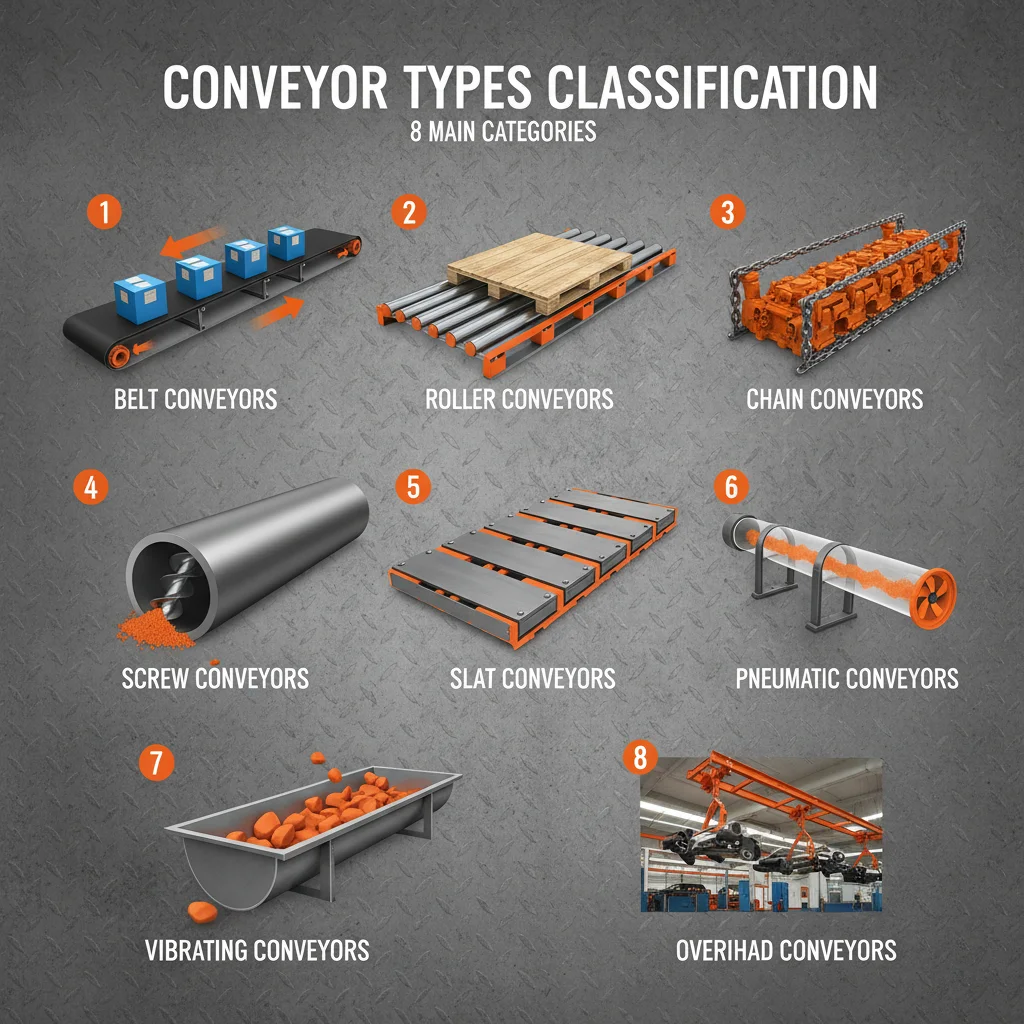
The primary types include belt conveyors (for various products, inclines), roller conveyors (gravity or powered, ideal for flat-bottom items), chain conveyors (heavy or awkward items, harsh environments), slat conveyors (uniform or custom carriers for assembly), overhead conveyors (maximizing floor space), and specialized systems like pneumatic (for powders/granules) or vibratory conveyors (for small, loose items).
2. How do I determine the right conveyor system for my operation?
Selecting the right system involves considering several factors: the type, size, weight, and fragility of the product; the required throughput rate; the distance and elevation of transfer; the operational environment (e.g., cleanroom, dusty, hot, cold); integration needs with other equipment; available footprint; and budget. A detailed analysis of your material flow and objectives is crucial, often requiring expert consultation.
3. What are the key benefits of implementing automated conveyor transfer systems?
Automated systems offer significant benefits, including increased operational efficiency and throughput, reduced labor costs, enhanced workplace safety by minimizing manual handling, improved product quality through consistent and gentle transport, better space utilization, and the ability to track and manage inventory more effectively through integration with WMS/MES.
4. Can conveyor systems be integrated with other automated technologies?
Absolutely. Modern conveyor systems are designed for seamless integration with a wide range of automated technologies, including robotic arms (for picking, placing, palletizing), automated guided vehicles (AGVs) and autonomous mobile robots (AMRs), vision systems for quality control, barcode/RFID scanners for tracking, and sophisticated Warehouse Management Systems (WMS) or Manufacturing Execution Systems (MES) for overall operational control.
5. What are the typical maintenance considerations for conveyor transfer systems?
Regular maintenance is crucial for optimal performance and longevity. This typically includes routine inspections of belts, rollers, chains, and motors for wear and tear; lubrication of moving parts; tension adjustments; cleaning to prevent debris buildup; and checking electrical connections and sensor functionality. Predictive maintenance strategies, often utilizing IoT sensors, can help identify potential issues before they lead to downtime.
6. What is the typical Return on Investment (ROI) for conveyor system upgrades?
The ROI for conveyor system upgrades can vary widely but is generally strong due to the significant operational efficiencies gained. Factors influencing ROI include reduced labor costs, increased throughput, decreased product damage, lower energy consumption, and improved safety. Many companies report payback periods of 1-3 years, with long-term benefits extending far beyond that timeframe.
7. What emerging trends are shaping the future of conveyor transfer systems?
Key emerging trends include greater integration of Artificial Intelligence (AI) for predictive maintenance and optimized routing; enhanced IoT connectivity for real-time monitoring and data analytics; increased modularity and flexibility for rapid reconfiguration; adoption of more energy-efficient and sustainable materials; and the development of intelligent, self-optimizing systems that can adapt to changing demands autonomously.